
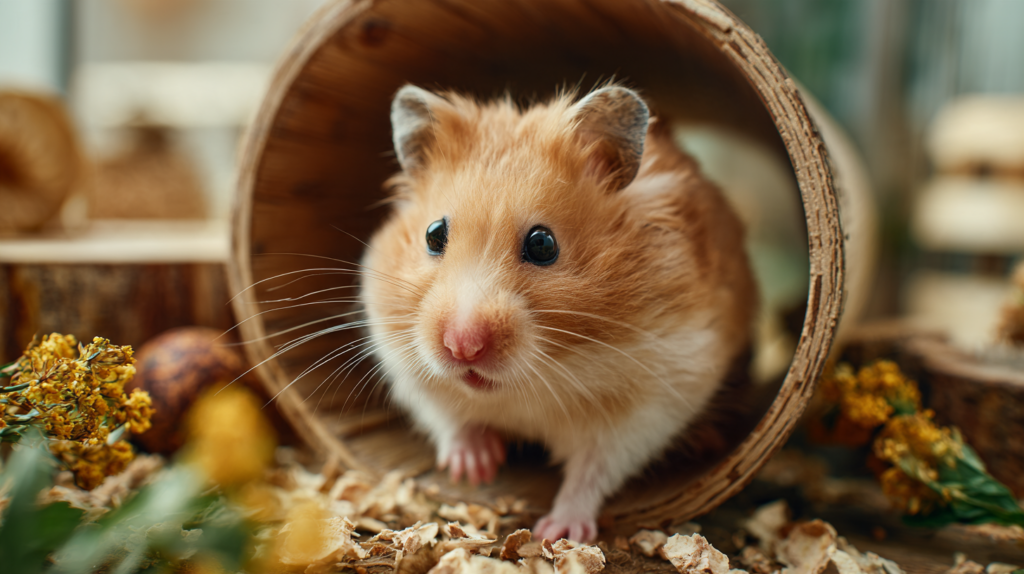
Common Mistakes New Hamster Owners Make
Bringing home a hamster is exciting, but these small pets have surprisingly specific needs. Whether you have just adopted your first Syrian hamster or you are still researching, this guide to the most common care mistakes new hamster owners will help you give your new pet a long, healthy and happy life.
1. Buying a Cage That Is Too Small
The most common mistake new hamster owners make is choosing a cage that is far too small. Many cages sold for hamsters fall well short of what the animal actually needs, leading to stress, bar chewing and repetitive pacing. Many welfare groups now recommend a minimum of roughly 100 x 50 cm of unbroken floor space, and bigger is always better. Extra levels and tubes are fun, but they do not replace floor space. Large bin cages and glass tanks are often better value.
2. Not Providing Enough Bedding
Hamsters are natural burrowers, so a thin layer of sawdust is not enough. Aim for at least 20 cm of bedding, with an even deeper area if you can manage it. Choose paper-based or aspen bedding, and avoid cedar and pine, which contain aromatic oils that can irritate the airways. Skip fluffy cotton-style nesting, which can wrap around limbs.
3. Choosing the Wrong Hamster Wheel
A wheel is essential for exercise, but the wrong one can cause back problems. If your hamster’s spine curves upwards while running, the wheel is too small. Syrian hamsters generally need a wheel of at least 28 cm in diameter, although 30-32cm would be ideal for larger hamsters. Dwarf hamsters need a minimum of 20 cm or more. Always pick a solid running surface rather than rungs or mesh, which can trap tiny feet.
4. Housing Hamsters Together
Syrian hamsters are strictly solitary and will fight, sometimes seriously, if kept together. Some dwarf species are occasionally kept in pairs, but fall outs are common and can happen suddenly. For most owners, the safest choice is one hamster per enclosure.
5. Waking a Sleeping Hamster
Hamsters are most active in the evening and at night. Waking them during the day is stressful and is one of the main reasons hamsters bite. Plan handling and playtime for the evening when your pet is naturally awake.
6. Feeding the Wrong Diet
A healthy hamster diet is based on a good-quality hamster mix or nuggets, topped up with small amounts of fresh vegetables and the occasional protein treat. Avoid sugary shop-bought treats, chocolate, citrus fruit, onion, garlic and raw beans. Do not worry if your hamster stashes food in its nest. Hoarding is natural behaviour, so only remove fresh food that could go mouldy.
7. Cleaning the Cage Too Often
It sounds counter-intuitive, but over-cleaning is a real problem. Hamsters rely on familiar scents to feel secure, and a full clean-out wipes these away. Instead, spot clean the toilet area every few days and change only part of the bedding at a time, mixing some old, clean bedding back in.
8. Using a Hamster Ball
Hamster balls are widely sold, but ventilation is limited, your hamster cannot stop when it wants to rest, and collisions with furniture can be frightening. A secure, enclosed playpen with tunnels and hides is a far safer way to offer time outside the cage.
9. Putting the Cage in the Wrong Place
Keep the enclosure away from direct sunlight, radiators, draughts and noisy areas. Hamsters do best at a steady room temperature of roughly 18 to 24°C. If it gets too cold, they can enter a torpor state that is easily mistaken for illness or worse.
10. Skipping the Vet
Hamsters hide illness well, so problems are often advanced by the time owners notice. Register with a vet experienced in small animals or exotics before you need one. Seek advice quickly if you spot a wet or dirty bottom, weight loss, lethargy, overgrown teeth or changes in eating habits.
Final Thoughts on Hamster Care for Beginners
Most common hamster mistakes are easy to avoid. A spacious cage, deep bedding, the right wheel, a balanced diet and a calm routine will go a long way. Get these basics right from day one, and your new hamster will reward you with plenty of busy, curious and entertaining evenings.
Explore More Pet Care Resources with MyPetNet
Looking for more ways to stay organised and provide the best possible care for your pet? MyPetNet offers a range of helpful resources and tools designed to make pet ownership simpler, from health tracking and medication reminders to storing important pet records in one secure place.
Whether you want to keep track of vaccinations, medications, feeding routines, favourite foods, or important milestones, MyPetNet helps you keep everything organised and accessible whenever you need it. Register for a Free Account now.