
Essential Dog Care Tips for First-Time Owners
Bringing home a dog for the first time is an exciting experience, but it also comes with important responsibilities. Dogs rely on their owners for everything from nutrition and exercise to healthcare and companionship. Understanding the basics of dog care can help your new pet live a happy, healthy life while strengthening the bond between you. If you’re a first-time dog owner, these essential dog care tips will set you on the right path.
Choose the Right Dog for Your Lifestyle
Before bringing a dog home, consider your living situation, activity level, and available time. Different breeds have different needs. For example, Border Collies and Labrador Retrievers typically require more exercise and mental stimulation than breeds such as Bulldogs or Shih Tzus.
It’s also worth considering adoption from a reputable rescue centre or animal shelter. Many rescue organisations can help match you with a dog whose temperament and energy level suit your lifestyle.
Provide High-Quality Nutrition
One of the most important aspects of dog care is feeding a balanced diet. Choose a complete dog food that meets your pet’s age, size, and activity requirements. Puppies require food formulated for growth, while senior dogs often benefit from specialised diets that support joint health and weight management.
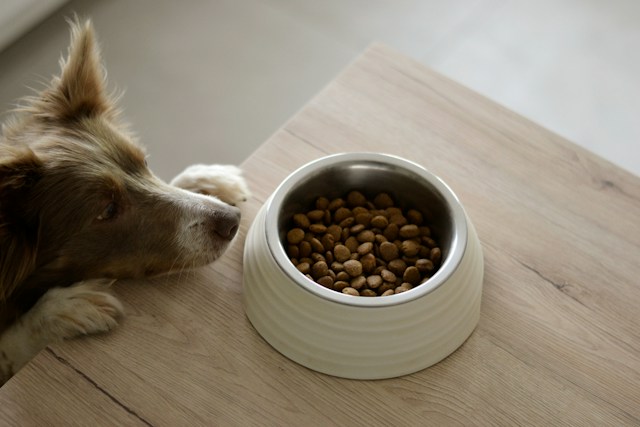
Always provide fresh, clean water and avoid feeding foods that can be toxic to dogs, including chocolate, grapes, raisins, onions, garlic, and xylitol-sweetened products.
When changing your dog’s food, do so gradually over seven to ten days to help prevent digestive upset.
Establish a Consistent Routine
Dogs thrive on consistency. Creating a daily schedule for feeding, walks, playtime, and bedtime helps your dog feel secure and understand what to expect.
A regular routine can also make house training much easier. Take puppies outside frequently, especially after eating, drinking, playing, and waking up. Reward successful toilet trips with praise and treats to reinforce positive behaviour.
Prioritise Training and Socialisation
Training should begin as early as possible. Teaching basic commands such as sit, stay, come, and leave it provides structure and can improve safety in everyday situations.
Positive reinforcement training is often the most effective approach. Reward desired behaviours with treats, praise, or play rather than using punishment-based methods.
Socialisation is equally important. Introduce your dog to a variety of people, environments, sounds, and friendly dogs in a controlled manner. Early socialisation can help prevent fear-based behaviours and increase confidence later in life.
Meet Your Dog’s Exercise Needs
Regular exercise is essential for physical health and mental well-being. The amount of exercise required depends on your dog’s age, breed, and overall health.
Daily walks, games of fetch, scent work, and interactive toys can help keep your dog physically active and mentally stimulated. A bored dog is more likely to develop behavioural issues such as excessive barking, chewing, or digging.
Remember that puppies and senior dogs may require gentler exercise than young adult dogs.
Stay on Top of Preventive Healthcare
Routine veterinary care plays a major role in keeping your dog healthy and is one of the most important dog care tips for first-time owners. Schedule regular check-ups and ensure vaccinations remain up to date. Your veterinarian can also advise on flea, tick, and worm prevention based on your dog’s lifestyle and local risk factors.
Microchipping is highly recommended and, in many areas, a legal requirement. Keeping identification details up to date can greatly improve the chances of being reunited with a lost pet.
Watch for signs of illness such as changes in appetite, lethargy, vomiting, diarrhoea, excessive scratching, or sudden behavioural changes, and seek veterinary advice when needed.
Don’t Neglect Grooming
Regular grooming helps maintain your dog’s coat and overall health. Brushing removes loose hair, reduces matting, and provides an opportunity to check for skin problems, parasites, or unusual lumps.
The grooming routine will vary depending on breed. Long-haired dogs often require more frequent brushing, while short-haired breeds may need less maintenance. Nail trimming, ear cleaning, and dental care should also form part of your regular routine.
Brushing your dog’s teeth several times a week can help reduce plaque buildup and support long-term oral health.
Provide Love, Attention, and Mental Stimulation
Dogs are social animals that thrive on interaction with their owners. Spending quality time together strengthens your relationship and provides emotional enrichment.
Puzzle feeders, training sessions, hide-and-seek games, and rotating toys can help prevent boredom. Mental stimulation is often just as important as physical exercise, particularly for intelligent working breeds.
Final Thoughts
Learning how to care for a dog takes time, but the rewards are well worth the effort and these dog care tips for first-owners will put you well on the way for a long and happy relationship with your pup. By providing proper nutrition, regular exercise, consistent training, preventive healthcare, and plenty of affection, first-time owners can create a safe and loving environment for their canine companion. With patience and commitment, you’ll build a strong bond that lasts for many happy years.
Explore More Pet Care Resources with MyPetNet
Looking for more ways to stay organised and provide the best possible care for your pet? MyPetNet offers a range of helpful resources and tools designed to make pet ownership simpler, from health tracking and medication reminders to storing important pet records in one secure place.
Whether you want to keep track of vaccinations, medications, feeding routines, favourite foods, or important milestones, MyPetNet helps you keep everything organised and accessible whenever you need it. Register for a Free Account now.