
Do Cockatiels Like to Be Cuddled? Understanding Their Behaviour
Cockatiels are among the most affectionate and social pet birds, which is one reason they remain so popular with bird owners. However, many new owners wonder whether cockatiels actually enjoy being cuddled. The answer is both yes and no. While some cockatiels love physical affection and seek out close contact with their favourite person, others prefer interaction on their own terms. Understanding your bird’s body language and personality is the key to building a trusting and rewarding relationship.
Do Cockatiels Enjoy Cuddles?
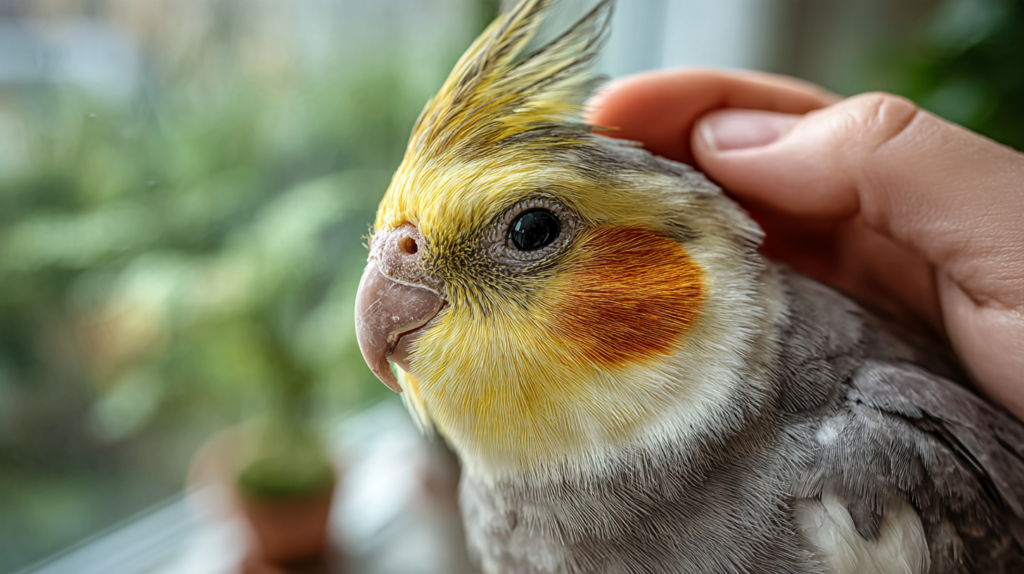
Cockatiels are naturally social birds that form strong bonds with members of their flock. In a home environment, they often view their human family as part of that flock. This can lead to behaviours that resemble cuddling, such as sitting on a shoulder, snuggling against a neck, or enjoying gentle head scratches.
However, cuddling means different things to birds than it does to humans. Most cockatiels do not enjoy being hugged, squeezed, or restrained. What owners often interpret as cuddling is actually a bird seeking comfort, companionship, and security by staying close to a trusted person.
Every cockatiel has its own personality. Some are extremely affectionate and actively seek physical contact, while others prefer interacting through play, training, or vocal communication.
Signs Your Cockatiel Enjoys Affection
Recognising positive body language can help you understand whether your cockatiel is enjoying the interaction.
Common signs include:
- Lowering its head for scratches
- Gently preening your hair or clothing
- Relaxing its feathers while sitting close to you
- Grinding its beak softly when relaxed
- Closing its eyes during gentle head rubs
- Seeking you out when allowed outside its cage
These behaviours indicate trust and comfort. When a cockatiel voluntarily approaches you for attention, it is a strong sign that it values your companionship.
Where Do Cockatiels Like to Be Touched?
Most cockatiels enjoy being gently scratched around the head, cheeks, and neck. These areas are difficult for birds to groom on their own, making your assistance similar to social preening between flock members.
Many bird experts recommend limiting petting to the head and neck. Stroking a cockatiel’s back, wings, or under its tail can sometimes trigger hormonal responses, particularly during breeding season. This may lead to territorial behaviour, frustration, or excessive bonding with one person.
Gentle and brief interactions are usually best. Always allow your cockatiel to move away if it chooses.
Signs Your Cockatiel Does Not Want Cuddles
Not every bird wants affection at all times. Learning when to stop is essential for maintaining trust.
Watch for these signs:
- Hissing or lunging
- Biting or nipping
- Moving away from your hand
- Flattening its feathers tightly against its body
- Raising its crest sharply upright in alarm
- Flapping or showing signs of stress
If your cockatiel displays any of these behaviours, give it space and try again later. Forcing interaction can damage the bond you have worked hard to build.
Building Trust With Your Cockatiel
Affection is something that develops naturally over time. Newly adopted cockatiels may need days, weeks, or even months before they feel comfortable enough to accept close contact.
You can encourage trust by:
- Speaking softly and regularly to your bird
- Offering treats by hand
- Spending time near the cage each day
- Using positive reinforcement during training
- Allowing your cockatiel to approach you voluntarily
Consistency is important. Daily interaction helps your cockatiel feel secure and strengthens your relationship.
Can Some Cockatiels Become Overly Attached?
Because cockatiels are highly social animals, they can occasionally become too dependent on one person. Birds that receive constant attention may develop separation anxiety when left alone.
To encourage healthy behaviour, provide plenty of enrichment, including toys, foraging opportunities, climbing structures, and opportunities for independent play. Regular socialisation with other family members can also help prevent over-attachment.
Final Thoughts
So, do cockatiels like to be cuddled? Many do enjoy close physical affection, but only when it is offered in a way that respects their natural behaviour and individual preferences. Most cockatiels prefer gentle head scratches, sitting near their favourite person, and spending quality time together rather than being held tightly like a dog or cat.
By paying attention to your cockatiel’s body language, allowing interaction on its terms, and building trust gradually, you can develop a strong bond that makes both you and your feathered companion feel safe, comfortable, and connected.
Explore More Pet Care Resources with MyPetNet
Looking for more ways to stay organised and provide the best possible care for your pet? MyPetNet offers a range of helpful resources and tools designed to make pet ownership simpler, from health tracking and medication reminders to storing important pet records in one secure place.
Whether you want to keep track of vaccinations, medications, feeding routines, favourite foods, or important milestones, MyPetNet helps you keep everything organised and accessible whenever you need it. Register for a Free Account now.