
Signs Your Cat May Be Stressed and How to Help
Cats are often seen as independent and relaxed pets, but they can experience stress just like humans. Unlike people, however, cats cannot tell us when something is wrong, so how can you tell if your cat may be stressed? Cats communicate through changes in behaviour, body language, and daily habits. Recognising the signs of stress early can help prevent more serious health and behavioural issues while improving your cat’s overall well-being.
In this guide, we’ll explore the most common signs of stress in cats and practical ways you can help your feline friend feel safe, comfortable, and happy.
What Causes Stress in Cats?
Cats thrive on routine and familiarity. Even small changes in their environment can trigger stress. Common causes include:
- Moving to a new home
- Introducing a new pet or family member
- Changes in feeding schedules
- Loud noises such as fireworks or construction work
- Visits to the vet
- Lack of stimulation or enrichment
- Conflict with other cats
- Changes in litter tray location or type
While some cats adapt quickly, others may take much longer to adjust.
Common Signs of Stress in Cats
Understanding the warning signs can help you identify problems before they become severe.
Changes in Eating Habits
A stressed cat may lose interest in food or eat significantly less than usual. Some cats may even overeat as a coping mechanism. Any sudden change in appetite that lasts more than a day or two should be investigated.
Excessive Grooming
Cats naturally groom themselves, but stress can lead to excessive licking or chewing of the fur. This may result in bald patches, particularly on the legs, belly, or sides.
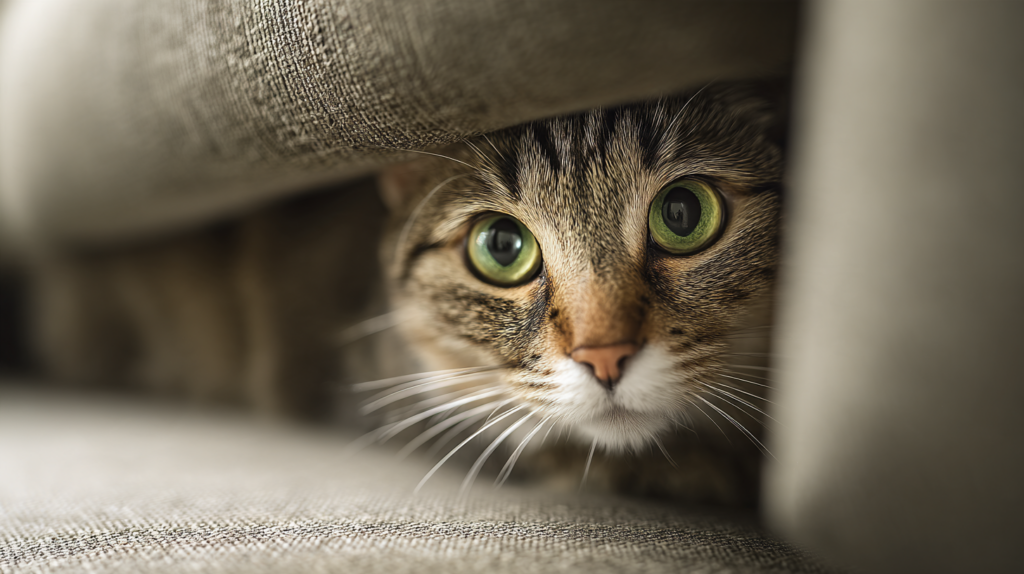
Hiding More Often
Many cats seek quiet spaces when they feel anxious. If your normally sociable cat suddenly spends most of the day under furniture or in cupboards, stress could be a contributing factor.
Changes in Litter Tray Habits
Stress can sometimes cause cats to urinate or defecate outside the litter tray. This behaviour is often mistaken for disobedience but is usually a sign that something in the cat’s environment needs attention.
Increased Vocalisation
Some stressed cats become more vocal, meowing excessively or making unusual sounds. Others may become quieter than normal.
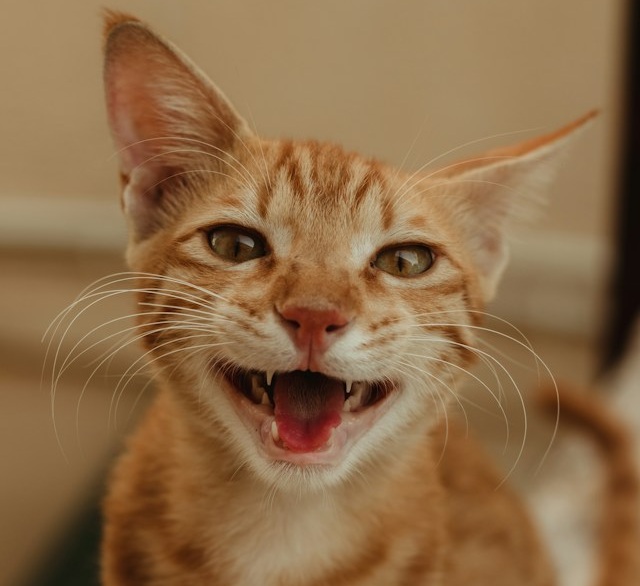
Aggression or Irritability
A cat that feels threatened or anxious may hiss, swat, scratch, or bite. Even friendly cats can become defensive when under stress.
Changes in Sleep Patterns
Cats sleep a lot, but noticeable changes in sleeping locations, duration, or activity levels may indicate emotional distress.
Body Language Signals
Stress often shows through a cat’s posture and expressions. Look for signs such as:
- Flattened ears
- Dilated pupils
- Tucked tail
- Tense body posture
- Frequent crouching
- Constant vigilance
These subtle signals can reveal discomfort even when other symptoms are not obvious.
How to Help a Stressed Cat
Fortunately, there are several ways to reduce stress and improve your cat’s confidence.
Maintain a Consistent Routine
Cats appreciate predictability. Try to feed your cat, clean the litter tray, and schedule play sessions at the same times each day. Consistency helps create a sense of security.
Create Safe Spaces
Provide quiet areas where your cat can retreat when they need privacy. Cat trees, covered beds, and elevated shelves can all help your pet feel more secure.
Provide Environmental Enrichment
Boredom can contribute to stress. Keep your cat mentally and physically stimulated with:
- Interactive toys
- Puzzle feeders
- Scratching posts
- Climbing structures
- Regular play sessions
Even 10 to 15 minutes of daily interactive play can make a noticeable difference.
Introduce Changes Gradually
Whether you are bringing home a new pet or moving furniture, gradual introductions can reduce anxiety. Allow your cat plenty of time to adjust at their own pace.
Use Pheromone Products
Synthetic calming pheromones can help some cats feel more relaxed. Diffusers and sprays designed specifically for cats may be useful during stressful periods such as moving house or introducing a new pet.
Ensure Adequate Resources
In multi-cat homes, competition can be a major source of stress. Provide enough food bowls, water stations, litter trays, resting areas, and scratching posts for each cat to avoid conflict.
Schedule a Veterinary Check-Up
Some signs of stress can also indicate underlying medical conditions. If behavioural changes appear suddenly or persist for more than a few days, consult your veterinarian to rule out health issues.
When to Seek Professional Help
If your cat’s stress symptoms are severe, ongoing, or affecting their quality of life, professional support may be needed. A veterinarian or qualified feline behaviourist can identify triggers and create a tailored behaviour modification plan.
Final Thoughts
Cats are experts at hiding discomfort, which is why paying attention to behavioural changes is so important. Excessive grooming, changes in litter tray habits, hiding, aggression, and altered eating patterns can all signal that your cat is feeling stressed. By providing a stable routine, enriching environment, and plenty of safe spaces, you can help your feline companion feel more secure and content. Early intervention not only improves your cat’s well-being but can also strengthen the bond you share for years to come.
Explore More Pet Care Resources with MyPetNet
Looking for more ways to stay organised and provide the best possible care for your pet? MyPetNet offers a range of helpful resources and tools designed to make pet ownership simpler, from health tracking and medication reminders to storing important pet records in one secure place.
Whether you want to keep track of vaccinations, medications, feeding routines, favourite foods, or important milestones, MyPetNet helps you keep everything organised and accessible whenever you need it. Register for a Free Account now.