
Beginner’s Guide to Bearded Dragon Care
Bearded dragon care: these lizards are among the most popular reptile pets in the UK, and for good reason. These friendly lizards are known for their calm temperament, unique personalities, and relatively straightforward care requirements. However, like all exotic pets, they need the correct environment, diet, and ongoing care to thrive. If you’re considering bringing home a bearded dragon, this beginner’s guide will help you understand everything you need to know to keep your new companion healthy and happy.
What Is a Bearded Dragon?
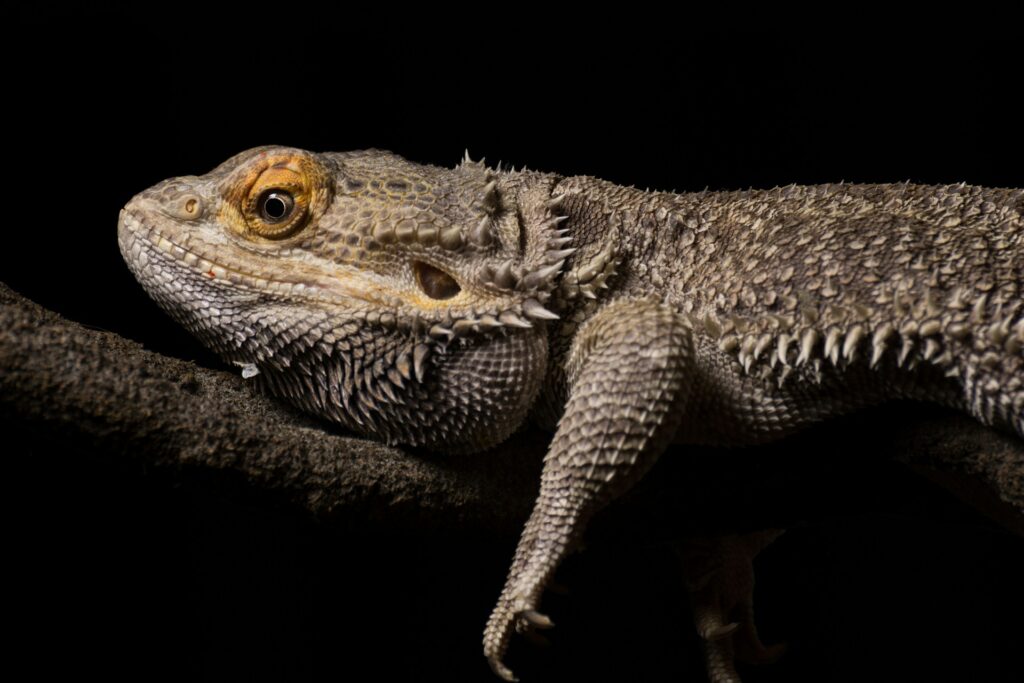
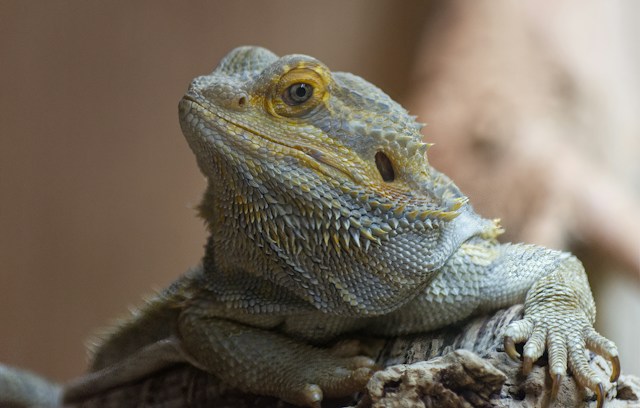
Bearded dragons, often called “beardies,” are native to Australia and belong to the genus Pogona. They get their name from the spiky scales under their chin, which can puff out and darken when they feel threatened or want to communicate.
Most pet bearded dragons are captive-bred and can live between 10 and 15 years with proper care, making them a long-term commitment.
Choosing the Right Enclosure
A proper habitat is one of the most important aspects of bearded dragon care. Adult bearded dragons require a large enclosure to allow for movement, climbing, and temperature regulation.
A minimum enclosure size of 120cm x 60cm x 60cm is recommended for a fully grown bearded dragon, although larger is always better. Glass vivariums are popular, but wooden vivariums designed for reptiles can also work well.
Your enclosure should include:
- A basking area
- A cooler zone
- Climbing branches or rocks
- Hides for security
- Food and water dishes
- Safe reptile substrate
Avoid loose sand for young dragons, as it can increase the risk of impaction if swallowed.
Creating the Correct Temperature Gradient
Bearded dragons are ectothermic, meaning they rely on external heat sources to regulate their body temperature.
The basking area should reach approximately 38°C to 42°C during the day, while the cooler end should remain around 24°C to 29°C. Night temperatures can safely drop to around 18°C to 24°C.
Use digital thermometers at both ends of the enclosure to monitor temperatures accurately. Heat mats are generally not recommended as the primary heat source for bearded dragons because they naturally absorb heat from above.
A quality basking lamp positioned above the basking spot is typically the best option.
Why UVB Lighting Matters
UVB lighting is essential for bearded dragon health. Without it, they cannot properly metabolise calcium, which can lead to Metabolic Bone Disease (MBD), a serious and potentially fatal condition.
Choose a high-quality UVB tube designed specifically for desert reptiles. The light should span a large portion of the enclosure and be replaced according to the manufacturer’s recommendations, even if it still appears to be working.
Provide between 10 and 12 hours of UVB exposure daily to mimic natural daylight conditions.
Feeding Your Bearded Dragon
A balanced diet is crucial for maintaining a healthy bearded dragon.
Young dragons require more protein and should eat a higher percentage of live insects. Adults need a diet that consists primarily of vegetables with a smaller proportion of insects.
Suitable insects include:
- Dubia roaches
- Locusts
- Crickets
- Calciworms
Nutritious vegetables include:
- Spring greens
- Rocket
- Kale
- Pak choi
- Butternut squash
Avoid feeding avocado, rhubarb, or insects collected from the garden, as these can be toxic or carry parasites.
Fresh water should always be available, even if your dragon is rarely seen drinking.
The Importance of Calcium Supplements
Most captive bearded dragons require calcium supplementation several times per week. Insects should be dusted with a reptile calcium powder before feeding.
A reptile multivitamin can also be offered according to the manufacturer’s instructions. Proper supplementation, combined with correct UVB lighting, plays a vital role in bone development and overall health.
Handling and Socialisation
One of the reasons bearded dragons are popular beginner reptiles is their generally calm nature. Regular gentle handling can help them become comfortable with human interaction.
Always support their body fully and avoid sudden movements. New dragons may need several days or weeks to settle into their environment before they are ready for regular handling.
Watch for signs of stress such as dark colouring, hissing, puffing their beard, or frantic attempts to escape.
Common Health Problems
Bearded dragon care should include regular observation can help you identify potential health issues early.
Watch for:
- Loss of appetite
- Lethargy
- Swollen limbs
- Difficulty moving
- Weight loss
- Abnormal droppings
If you notice any of these symptoms, seek advice from a veterinarian experienced in exotic reptiles as soon as possible.
Final Thoughts
Bearded dragons make fascinating and rewarding pets for beginners willing to provide the correct care. Success starts with a spacious enclosure, proper heating and UVB lighting, a balanced diet, and regular health monitoring. By meeting these essential requirements, you’ll give your bearded dragon the best chance of living a long, healthy, and enriching life as part of your family.