
How to Build the Perfect Guinea Pig Cage
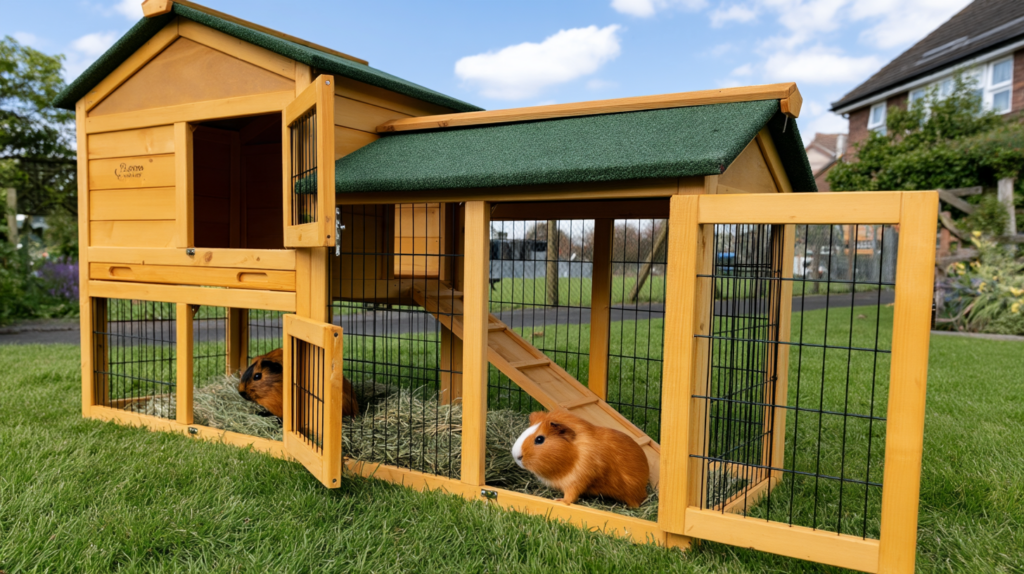
Guinea pigs are friendly, social pets that thrive in a safe, comfortable, and stimulating environment. Providing the right guinea pig cage is one of the most important aspects of guinea pig care, as their enclosure affects everything from their physical health to their emotional well-being. If you’re planning to welcome guinea pigs into your home or improve their current setup, here’s how to build the perfect guinea pig cage.
Start with the Right Guinea Pig Cage Size
One of the biggest mistakes new guinea pig owners make is choosing a cage that is too small. Guinea pigs need plenty of room to move around, exercise, and interact with their companions.
For two guinea pigs, a cage should provide at least 10.5 square feet (approximately 0.98 square metres) of floor space. Larger is always better. Guinea pigs are active animals that enjoy exploring their environment, and extra space helps reduce boredom and territorial behaviour.
Remember that guinea pigs should ideally be kept in pairs or small groups, as they are highly social animals. If you have more than two guinea pigs, you’ll need to increase the cage size accordingly.
Choose a Safe Guinea Pig Cage Design
The best guinea pig cages offer excellent ventilation and easy access for cleaning. Popular options include:
- C&C (Cubes and Coroplast) cages
- Large purpose-built guinea pig enclosures
- Indoor pens with secure sides
Avoid small pet shop cages marketed for guinea pigs, as many fail to meet recommended size requirements.
The cage walls should be high enough to prevent escapes while allowing good airflow. Wire flooring should never be used, as it can cause painful foot injuries and long-term health problems.
Select Comfortable Bedding
The cage floor should be covered with safe, absorbent bedding that keeps your guinea pigs dry and comfortable.
Popular choices include:
- Fleece liners
- Paper-based bedding
- Aspen shavings
- Hemp bedding
Avoid cedar and untreated pine shavings, which can release oils that may irritate a guinea pig’s respiratory system.
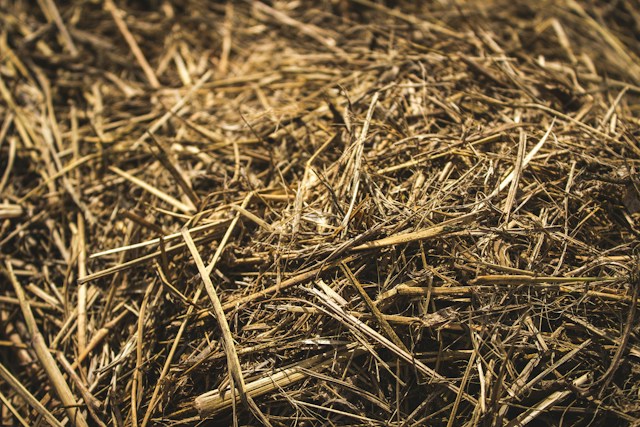
Spot-clean wet areas daily and perform a thorough cage clean at least once a week to maintain good hygiene and minimise odours.
Provide Plenty of Hideouts
Guinea pigs are prey animals and naturally seek shelter when they feel nervous or tired. Every guinea pig cage should have at least one hideaway place to ensure your pets feel safe.
Suitable hiding places include:
- Wooden houses
- Plastic igloos
- Tunnels
- Fleece forests
- Cardboard boxes
Multiple shelters help prevent competition between cage mates and allow each guinea pig to feel secure.
Create Areas for Exercise and Enrichment
A perfect guinea pig cage isn’t just a place to sleep. It should encourage natural behaviours and provide mental stimulation.
Consider adding:
- Tunnels for exploration
- Chew toys
- Safe wooden bridges
- Hay-filled enrichment stations
- Foraging toys
- Cardboard tubes
Unlike some small pets, guinea pigs should not use exercise wheels or hamster balls, as these can damage their backs and joints.
Regular supervised floor time outside the cage can also provide valuable exercise and enrichment.
Make Hay the Main Feature
Hay is the most important part of a guinea pig’s diet and should be available at all times in your guinea pig cage.
A hay rack or feeding area can help keep hay clean and dry. Many owners create dedicated hay stations where guinea pigs can eat, hide, and play simultaneously.
Timothy hay is a popular choice for adult guinea pigs, while younger guinea pigs may require alfalfa hay under veterinary guidance.
Position hay away from water bottles to prevent it becoming damp and spoiled.
Ensure Easy Access to Food and Water
Every guinea pig cage should have fresh water available through a water bottle or heavy ceramic bowl.
Food stations should include:
- Fresh hay
- Guinea pig pellets
- Daily vegetables
- Occasional healthy treats
Heavy ceramic bowls help prevent tipping and make feeding areas easier to maintain.
Monitor food and water intake regularly, as changes can often indicate health issues.
Maintain the Right Environment
Guinea pigs are sensitive to temperature extremes. Place the guinea pig cage in a quiet area away from direct sunlight, radiators, draughts, and air conditioning units.
The ideal environment is:
- Well ventilated
- Dry
- Quiet
- Between 18°C and 24°C
A stable environment helps reduce stress and supports overall health.
Keep Track of Care with MyPetNet
Creating the perfect guinea pig cage is only part of responsible pet ownership. Keeping accurate records of your guinea pigs’ health, weight, diet, and veterinary visits is equally important.
The MyPetNet online pet journal provides a convenient way to manage all of your pet’s information in one place. You can record health checks, monitor weight changes, store vaccination and treatment records, keep notes about diet and behaviour, and organise important pet care information for easy access.
For guinea pig owners, regularly tracking weight and health observations can help identify problems early, making record keeping an invaluable part of ongoing care. By combining an excellent cage setup with organised health records through MyPetNet, you can help ensure your guinea pigs enjoy a happy, healthy, and enriching life. Find out more how MyPetNet pet journal works.
Conclusion
Building the perfect guinea pig cage involves much more than choosing an enclosure. By providing ample space, comfortable bedding, enrichment opportunities, healthy food and water access, and a safe environment, you’ll create a home where your guinea pigs can thrive. Pair this with careful health record keeping through MyPetNet, and you’ll be giving your pets the best possible foundation for a long and happy life.