Heat, UVB and Lighting: What Your Lizard Needs
Providing the correct heat, UVB, and lighting setup is one of the most important aspects of lizard care. Many common health problems in pet lizards can be traced back to inadequate lighting or incorrect temperatures. Whether you keep a bearded dragon, leopard gecko, blue-tongued skink, or another species, understanding their environmental needs is essential for long-term health and wellbeing.
Why Heat Is Essential for Lizards
Unlike mammals, lizards are ectothermic, meaning they rely on external heat sources to regulate their body temperature. In the wild, they move between sunny and shaded areas throughout the day to maintain the ideal body temperature for digestion, activity, and immune function.
Without adequate heat, a lizard may struggle to digest food properly, become lethargic, lose its appetite, and be more vulnerable to illness. Long-term exposure to low temperatures can lead to serious health complications.
Every species has different temperature requirements. Desert-dwelling species such as bearded dragons require higher basking temperatures than tropical species. Research the specific needs of your lizard and create a thermal gradient within the enclosure. This means one side should be warmer, while the opposite side remains cooler, allowing your pet to move between zones as needed.
Creating a Proper Basking Area
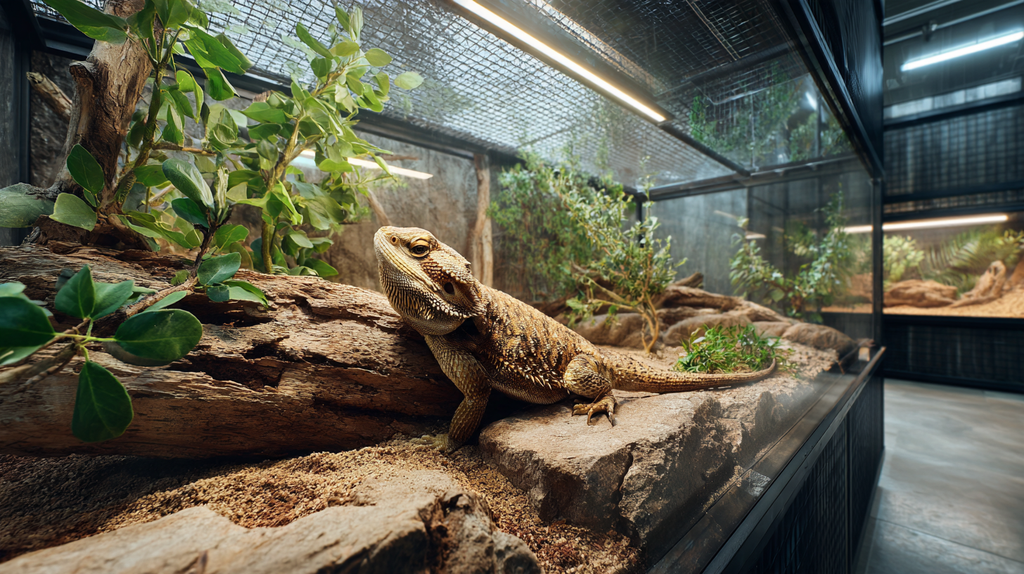
A basking area is where your lizard can absorb heat directly from a lamp. This should be positioned at one end of the enclosure to help establish a temperature gradient.
For many popular pet lizards, basking temperatures range from around 32°C to 42°C depending on the species. The cool end of the enclosure should be significantly lower to provide choice and comfort.
Use reliable digital thermometers and temperature probes rather than guessing. Many new reptile owners rely on room temperature alone, but the actual basking surface temperature may differ greatly.
Regular monitoring helps ensure temperatures remain consistent throughout the year, especially during seasonal changes.
The Importance of UVB Lighting
UVB lighting plays a vital role in reptile health. Exposure to UVB enables lizards to produce vitamin D3, which helps them absorb and utilise calcium properly.
Without adequate UVB, many species can develop metabolic bone disease, a serious condition that causes weakened bones, deformities, and mobility problems.
Species that spend a lot of time basking in sunlight generally require stronger UVB exposure than nocturnal species. For example, bearded dragons and uromastyx lizards have significantly higher UVB requirements than leopard geckos.
Modern UVB tube lamps are generally considered the most effective option for providing consistent exposure across a larger area of the enclosure. Position the lamp according to manufacturer recommendations and replace it at the recommended intervals, even if it still appears to be producing visible light.
Choosing the Right UVB Setup
Not all UVB products are equal. Compact bulbs can work in some situations, but linear UVB tubes often provide more even coverage and better results.
The distance between the lamp and your lizard is also critical. Too far away and the UVB becomes ineffective. Too close and exposure may be excessive.
Many reptile keepers now use specialised UV Index guidance to create lighting levels that closely mimic natural conditions. This helps provide a more realistic environment and supports normal behaviours.
Always ensure there is a shaded area within the enclosure where your lizard can retreat if it wishes to reduce UV exposure.
Day and Night Lighting
Lizards benefit from a clear day and night cycle. In most cases, enclosure lights should be on for approximately 10 to 14 hours each day, depending on the species and season you are replicating.
Using a timer is an easy way to maintain consistency. Regular lighting schedules encourage natural activity patterns and reduce stress.
At night, most lizards do not require visible lighting. Constant light exposure can disrupt normal sleep cycles and negatively affect health.
If additional heat is required after dark, consider non-light-emitting heat sources such as ceramic heat emitters. These provide warmth without disturbing the natural night-time environment.
Common Lighting Mistakes to Avoid
One of the biggest mistakes new owners make is relying on heat mats alone for species that naturally bask under the sun. While heat mats can be useful for some species, many diurnal lizards need overhead heat and UVB to thrive.
Another common issue is failing to replace UVB bulbs on schedule. Even when a bulb still produces visible light, UVB output often decreases over time.
Avoid placing UVB lamps above glass or plastic barriers, as these materials can block much of the beneficial UVB radiation your lizard needs.
Final Thoughts
The correct combination of heat, UVB, and lighting helps your lizard stay active, digest food efficiently, absorb calcium, and display natural behaviours. By researching your species’ specific requirements and investing in quality equipment, you can create a safe and healthy habitat that supports your reptile throughout its life. Consistent monitoring and regular maintenance will ensure your lizard enjoys the environmental conditions it needs to thrive.
Keep Track of Your Lizard’s Care with MyPetNet
Providing the correct heat, UVB, and lighting setup is vital for your lizard’s health, but keeping accurate records can be just as important. Monitoring temperature checks, UVB bulb replacement dates, feeding schedules, shedding cycles, weight changes, and veterinary visits helps you ensure your reptile is receiving the best possible care.
MyPetNet Digital Pet Journal makes it easy to organise all of your lizard’s information in one secure location. Instead of relying on handwritten notes or trying to remember when you last replaced a UVB bulb, you can record important husbandry details and access them whenever you need them. Find out how MyPetNet works.
With MyPetNet, you can:
- Store your lizard’s profile and important information.
- Keep track of feeding schedules and diet changes.
- Record weight measurements and health observations.
- Log veterinary visits, treatments, and medications.
- Monitor enclosure maintenance and equipment changes.
- Keep a record of UVB bulb installation and replacement dates.
- Access your pet’s records from anywhere with an internet connection.
Maintaining detailed records can help you spot patterns in your lizard’s behaviour and health before they become serious problems. It is also useful when discussing your pet’s care with a veterinarian, breeder, or reptile specialist. View all features of MyPetNet digital pet journal.
If you’re looking for a simple way to stay organised and manage your lizard’s care, sign up for a free account at MyPetNet and start building your digital pet journal today:
Good record keeping, combined with proper heat, UVB exposure, and lighting, can help your lizard enjoy a healthier and happier life.