
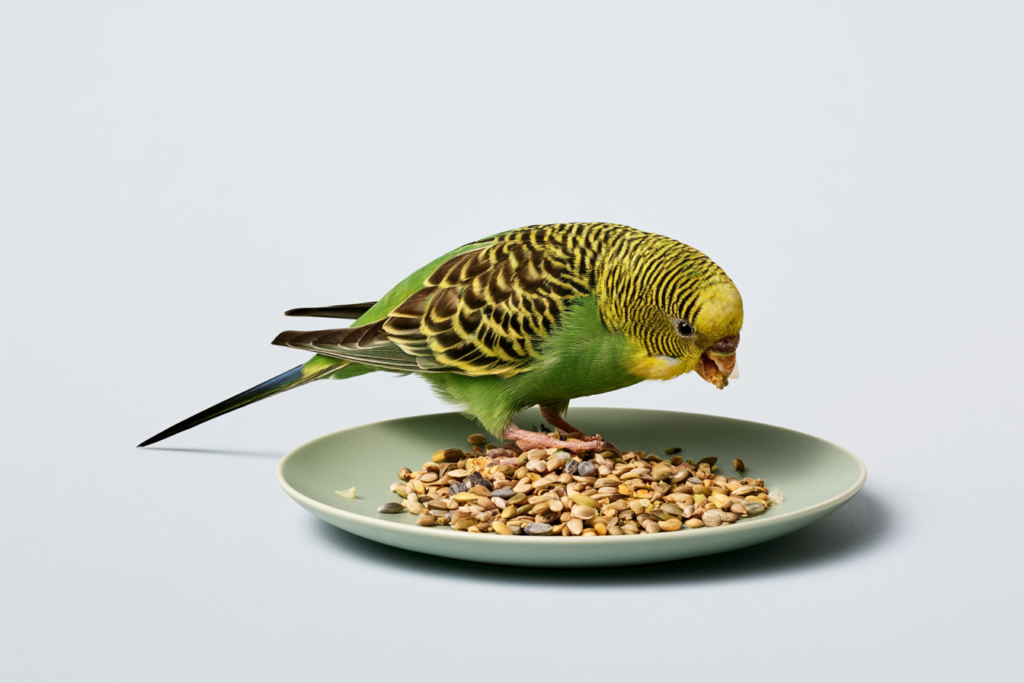
What Do Budgies Eat? A Simple Nutrition Guide
Budgies are among the most popular pet birds in the world, thanks to their friendly personalities, bright colours, and relatively easy care requirements. One of the most important aspects of keeping a healthy and happy budgie is providing the right diet. If you’ve ever wondered, “What do budgies eat?”, this simple nutrition guide will explain everything you need to know.
Why Diet Matters for Budgies
A balanced diet is essential for your budgie’s overall health. Proper nutrition supports a strong immune system, healthy feathers, good energy levels, and a longer lifespan. Feeding an incorrect diet can lead to obesity, vitamin deficiencies, and other health problems.
Many new owners believe budgies can live on seed alone, but this is one of the most common mistakes in bird care. While seeds are enjoyable for budgies, they should only form part of a varied and balanced diet.
The Best Foods for Budgies
High-Quality Pellets
Most avian veterinarians recommend high-quality pellets as the foundation of a budgie’s diet. Pellets are formulated to provide balanced nutrition and help prevent selective feeding, where birds pick out only their favourite seeds.
Ideally, pellets should make up around 50% to 70% of your budgie’s daily food intake.
Fresh Vegetables
Fresh vegetables are packed with vitamins, minerals, and fibre. They should be offered every day and can make up a significant part of your budgie’s diet.
Some excellent vegetables for budgies include:
- Broccoli
- Carrots
- Spinach
- Kale
- Peas
- Bell peppers
- Cucumber
- Sweetcorn
Always wash vegetables thoroughly before feeding them, and remove any uneaten fresh food after a few hours to prevent spoilage.
Fresh Fruits
Budgies enjoy fruit as a healthy treat. While fruit contains beneficial nutrients, it is naturally high in sugar, so it should be fed in moderation.
Good fruit options include:
- Apples (without seeds)
- Pears
- Bananas
- Blueberries
- Strawberries
- Grapes
- Mango
Offering a variety of fruits can help keep your budgie interested in its diet.
Are Seeds Good for Budgies?
Seeds can be part of a healthy diet, but they should not be the only food offered. Many seed mixes are high in fat and low in essential nutrients.
Suitable seeds include:
- Millet
- Canary seed
- Oats
- Flax seeds (in small amounts)
Millet sprays are especially popular with budgies and are often used as a training reward. However, because millet is high in calories, it should be given as an occasional treat rather than a daily staple.
Safe Treats for Budgies
Treats can be a fun way to bond with your bird and provide mental stimulation. Healthy treat options include:
- Small pieces of fruit
- Fresh herbs such as parsley or basil
- Sprouted seeds
- Homemade bird-safe vegetable mixes
Treats should make up only a small percentage of your budgie’s overall diet.
Foods Budgies Should Never Eat
Certain foods can be harmful or even toxic to budgies. Avoid feeding:
- Avocado
- Chocolate
- Caffeine
- Alcohol
- Onion
- Garlic
- Fruit seeds and pits
- Salty foods
- Sugary snacks
Human junk food should never be part of a budgie’s diet. If you’re unsure whether a food is safe, consult an avian veterinarian before offering it.
The Importance of Fresh Water
Budgies need access to clean, fresh water at all times. Water should be changed daily, and bowls or bottles should be cleaned regularly to prevent the growth of harmful bacteria.
During hot weather, you may need to check water supplies more frequently to ensure your bird stays hydrated.
Final Thoughts
Understanding what budgies eat is one of the keys to responsible bird ownership. A healthy budgie diet should focus on high-quality pellets, fresh vegetables, moderate amounts of fruit, and a limited quantity of seeds and treats. By providing a balanced nutritional plan and fresh water every day, you can help your budgie thrive and enjoy a long, happy life.
Whether you’re a first-time budgie owner or looking to improve your bird’s diet, making smart nutrition choices today can have a positive impact on your feathered friend’s health for years to come.
Keep Your Pet’s Important Information Safe and Organised with MyPetNet
Being a pet owner involves more than just providing food, exercise, and love. Keeping track of your pet’s health records, medications, vaccinations, appointments, and important information can quickly become overwhelming. MyPetNet makes pet management simple by giving you one place to store and organise everything your pet needs.
With MyPetNet, you can:
✅ Store your pet’s health records securely
✅ Keep track of medications and treatment plans
✅ Set reminders for vaccinations, worming treatments, and flea control
✅ Record important appointments and veterinary visits
✅ Manage essential pet information in one easy-to-access location
✅ Maintain individual profiles for each of your pets
Whether you own a budgie, dog, cat, rabbit, reptile, or any other companion animal, MyPetNet helps you stay organised and ensures important pet care tasks are never forgotten.
🔹 Discover MyPetNet Features
🔹 See How It Works
🔹 Register Your Free Account
Join MyPetNet today and take the stress out of managing your pet’s health, medication schedules, reminders, and essential records, all from one convenient platform.
MyPetNet is the smart pet management platform designed to help pet owners organise health records, medication tracking, vaccination reminders, pet profiles, and important pet care information.