
How to Keep Your Budgie Happy, Social, and Healthy
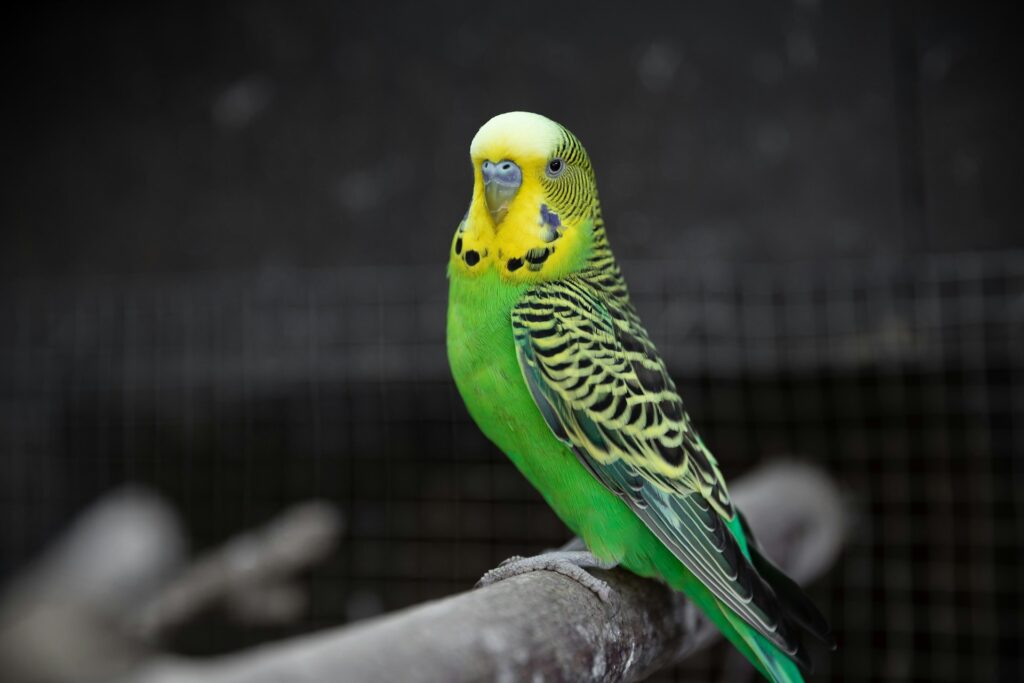
Budgerigars, commonly known as budgies or parakeets, are among the most popular pet birds in the UK—and for good reason. They are intelligent, affectionate, and full of personality. However, to keep your budgie happy, social, and healthy requires more than just a cage and some seed. With the right care, your feathered companion can thrive and live a long, joyful life.
Create a Comfortable and Stimulating Environment
A budgie’s cage is its home, so it should be spacious enough for flying and exploration. Choose a cage that is wider rather than taller, allowing your bird to stretch its wings horizontally. Place perches at different heights and include natural wood options to keep your budgie’s feet healthy.
Enrichment is key to preventing boredom. Provide a variety of toys such as bells, swings, ladders, and chew toys. Rotate toys regularly to keep things interesting, as budgies are naturally curious and intelligent birds. Position the cage in a well-lit, active area of your home so your budgie feels part of the family, but avoid direct drafts and loud, stressful environments.
Provide a Balanced and Nutritious Diet
A healthy diet is essential for your budgie’s wellbeing. While seed mixes are commonly used, they should not be the only food source. A high-quality pelleted diet should form the foundation of your budgie’s nutrition, supplemented with fresh fruits and vegetables.
Safe choices include leafy greens like spinach and kale, as well as carrots, broccoli, and apples (without seeds). Avoid feeding avocado, chocolate, caffeine, and onions, as these can be toxic to birds. Fresh clean water should always be available, and it’s important to clean food and water dishes daily to prevent bacteria buildup.
Encourage Social Interaction
Budgies are highly social animals that thrive on interaction. In the wild, they live in large flocks, so loneliness can quickly lead to stress or behavioral problems. If you only have one budgie, you will need to spend time interacting with it daily.
Talk to your bird, offer gentle training sessions, or let it perch on your finger. Budgies can even learn to mimic speech with patience and repetition. If your schedule doesn’t allow for frequent interaction, consider keeping a pair of budgies for companionship. Just ensure they are introduced carefully to avoid conflict.
Allow Regular Exercise and Freedom
Exercise is vital for both physical and mental health. Whenever possible, allow your budgie supervised time outside of its cage in a safe, enclosed room. This gives your bird the opportunity to fly, explore, and burn off energy.
Before letting your budgie out, make sure windows and doors are closed, mirrors are covered, and there are no hazards like ceiling fans or toxic plants. Regular out-of-cage time helps prevent obesity and keeps your bird active and engaged.
Monitor Health and Hygiene
Keeping your budgie healthy means staying alert to signs of illness. A happy budgie will be active, vocal, and have smooth, clean feathers. Warning signs include lethargy, puffed-up feathers, loss of appetite, or changes in droppings.
Clean the cage regularly, including perches, toys, and trays, to maintain hygiene. Provide a shallow dish of water or a mist spray for bathing, as budgies enjoy keeping their feathers clean.
Regular check-ups with an avian veterinarian are recommended, even if your bird appears healthy. Preventative care can catch issues early and ensure a longer, healthier life.
Build Trust and Bonding
Developing a strong bond with your budgie takes time and patience. Avoid sudden movements and allow your bird to approach you at its own pace. Positive reinforcement, such as treats and gentle praise, can help build trust.
With consistent care, affection, and attention, your budgie will become a confident, happy companion that brings joy to your home every day.
By focusing on proper nutrition, social interaction, enrichment, and regular care, you can ensure your budgie stays happy, social, and healthy for years to come.