
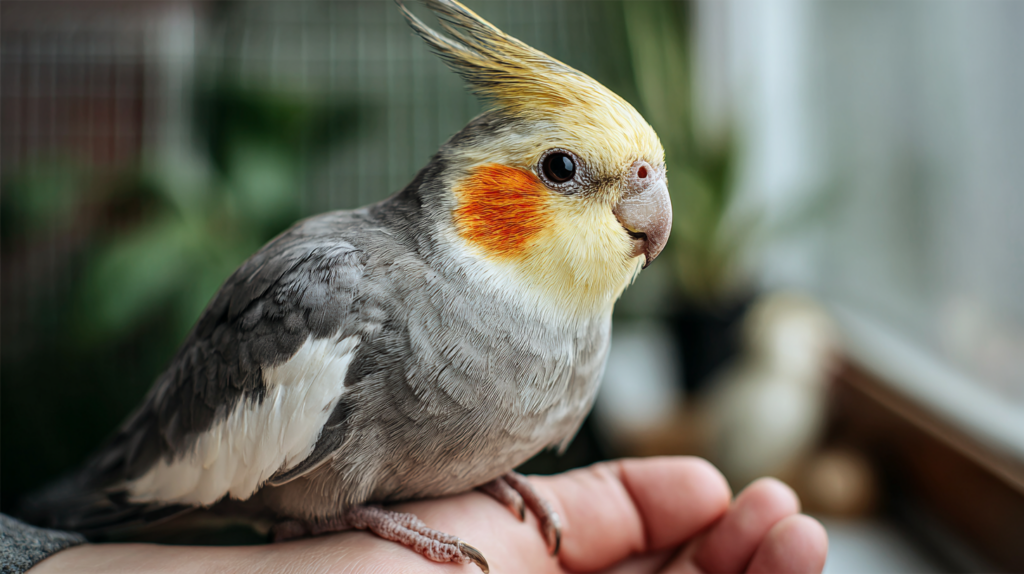
Cockatiel Care Guide: A Perfect Pet for First-Time Bird Owners
This cockatiel care guide covers everything you need to know to keep your feathered friend happy, healthy, and thriving.
Cockatiels are among the most popular pet birds in the world, and for good reason. Their friendly personalities, manageable size, and relatively straightforward care requirements make them an excellent choice for first-time bird owners. Known for their charming crests, gentle nature, and ability to whistle tunes, cockatiels can become wonderful companions when given the proper care and attention.
Why Cockatiels Make Great Pets
Cockatiels are native to Australia and are members of the cockatoo family. They are highly social birds that thrive on interaction with their owners. Unlike some larger parrot species, cockatiels are generally quieter and less demanding, making them suitable for families, individuals, and apartment dwellers.
These intelligent birds can learn simple tricks, mimic sounds, and develop strong bonds with their human companions. With proper care, a cockatiel can live between 15 and 25 years, making them a long-term commitment and a rewarding addition to the household.
Choosing the Right Cage
A suitable cage is one of the most important aspects of cockatiel care. Even though cockatiels are relatively small birds, they need plenty of room to move, climb, and stretch their wings.
Choose a cage that is as large as possible, with horizontal bars that encourage climbing. The minimum recommended cage size should allow the bird to fully extend its wings without touching the sides. Include multiple perches of varying diameters to promote healthy feet and prevent pressure sores.
Place the cage in a well-lit area where your cockatiel can be part of family activities, but avoid direct sunlight, drafts, kitchens, and areas with strong fumes.
Feeding Your Cockatiel
A balanced diet is essential for maintaining your cockatiel’s health and longevity. While seeds have traditionally been associated with pet bird diets, an all-seed diet can lead to nutritional deficiencies.
A healthy cockatiel diet should include:
- High-quality formulated pellets as the primary food source
- Fresh vegetables such as carrots, broccoli, spinach, and peppers
- Small amounts of fresh fruit including apples, berries, and melon
- Occasional healthy seeds and treats in moderation
- Fresh, clean water changed daily
Avoid feeding chocolate, avocado, caffeine, alcohol, onions, and other foods known to be toxic to birds.
Enrichment and Mental Stimulation
Cockatiels are intelligent and curious birds that require regular mental stimulation. Without adequate enrichment, they may become bored and develop behavioural issues such as feather plucking or excessive calling.
Provide a variety of bird-safe toys, including shredding toys, swings, ladders, and puzzle feeders. Rotate toys regularly to keep activities interesting and encourage natural behaviours.
Daily interaction is equally important. Spend time talking to your cockatiel, offering training sessions, or simply allowing it to sit with you while you go about your day.
Exercise and Out-of-Cage Time
Regular exercise helps maintain a healthy weight and promotes emotional wellbeing. Whenever possible, allow your cockatiel supervised time outside its cage in a safe, bird-proofed room.
Close windows and doors, switch off ceiling fans, and remove potential hazards before letting your bird out. Flight and climbing opportunities help strengthen muscles and provide valuable mental stimulation.
Most cockatiels benefit from at least a few hours of supervised out-of-cage time each day.
Understanding Cockatiel Behaviour
Learning to recognise your cockatiel’s body language can strengthen your bond and help you meet its needs.
A raised crest often indicates curiosity or excitement, while a flattened crest may suggest fear or discomfort. Gentle chirping and whistling usually signal contentment, whereas persistent hissing or aggressive posturing may indicate stress.
Cockatiels are naturally social and often seek interaction. Regular handling from a young age can help birds become confident, friendly companions.
Common Health Concerns
Routine observation is vital because birds often hide signs of illness until they are seriously unwell. Watch for symptoms such as:
- Loss of appetite
- Fluffed-up feathers for extended periods
- Changes in droppings
- Breathing difficulties
- Lethargy
- Weight loss
Schedule regular health checks with an avian veterinarian and seek professional advice promptly if you notice any unusual symptoms.
Final Thoughts
Cockatiels are affectionate, entertaining, and relatively easy-to-care-for birds, making them one of the best choices for first-time bird owners. By providing a spacious cage, a nutritious diet, regular enrichment, and plenty of social interaction, you can help your cockatiel enjoy a long, healthy, and fulfilling life. With proper care and commitment, these delightful birds can become cherished family companions for many years to come.