
Indoor vs Outdoor Rabbits: Pros and Cons
Rabbits are intelligent, social, and active pets that require careful housing decisions to ensure they live happy and healthy lives. One of the biggest choices rabbit owners face is indoor vs outdoor rabbits. Both options have advantages and challenges, and the right decision often depends on your home environment, available space, local climate, and the amount of time you can spend with your pets. Understanding the pros and cons of indoor and outdoor rabbit housing can help you provide the best possible care.
The Benefits of Keeping Rabbits Indoors
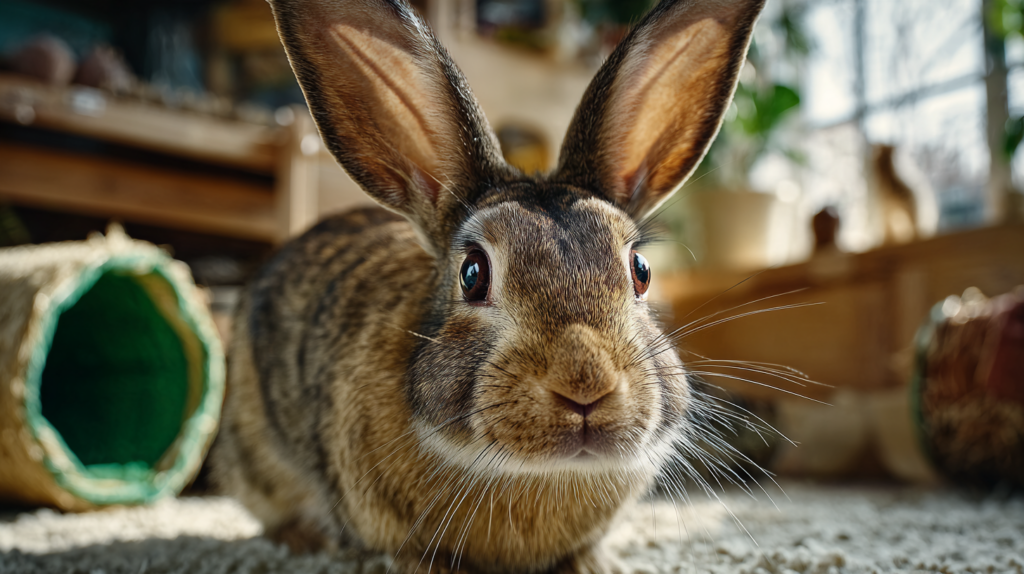
Indoor rabbits have become increasingly popular, and for good reason. Housing rabbits inside the home allows them to become a close part of family life. They often receive more interaction, socialisation, and attention, which can help strengthen the bond between pets and owners.
Another major advantage is protection from the weather. Indoor rabbits are not exposed to extreme temperatures, heavy rain, snow, or strong winds. This makes it easier to maintain a comfortable and consistent environment throughout the year.
Health monitoring is also simpler with indoor rabbits. Owners can quickly spot changes in eating habits, activity levels, or behaviour that may indicate illness. Early detection is particularly important because rabbits can hide signs of health problems until they become serious.
Indoor rabbits are also generally safer from predators such as foxes, cats, birds of prey, and dogs. Even if a predator cannot physically reach a rabbit, the stress of repeated encounters can negatively impact the rabbit’s well-being.
The Drawbacks of Indoor Rabbits
While indoor housing offers many benefits, it does come with challenges. Rabbits need plenty of space to hop, explore, and exercise. A small cage is not enough. Owners must provide a rabbit-proofed area where pets can move freely without accessing electrical cables, houseplants, or other hazards.
Indoor rabbits may also chew furniture, carpets, and household items if they do not have appropriate toys and enrichment. Their natural instinct to dig and gnaw can sometimes be frustrating for owners who are unprepared and can be the biggest argument in indoor vs outdoor rabbits.
Another consideration is cleanliness. Although rabbits can be litter trained, owners will still need to regularly clean litter trays, vacuum fur, and maintain a hygienic environment.
The Benefits of Keeping Rabbits Outdoors
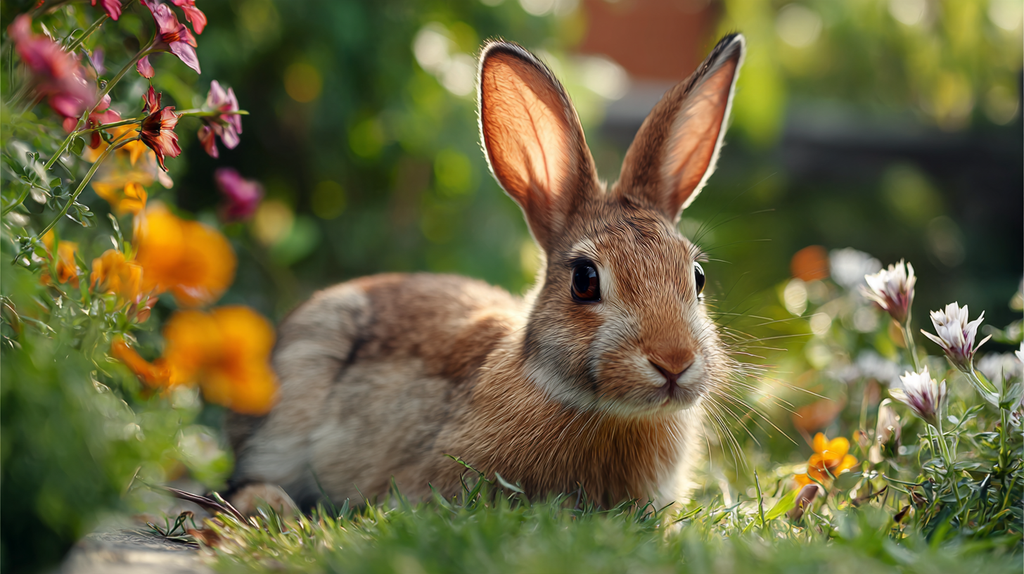
Outdoor rabbits can enjoy fresh air, natural sunlight, and larger living spaces. A well-designed outdoor enclosure can provide plenty of room for exercise, digging, and natural behaviours that contribute to a rabbit’s overall well-being.
Sunlight exposure can help support natural day and night rhythms. Rabbits housed outdoors often experience a more natural environment, including seasonal changes that can encourage instinctive behaviours.
Outdoor housing can also keep pet-related mess outside the home, making it an attractive option for owners with limited indoor space. Modern rabbit runs and secure enclosures can allow rabbits to explore safely while enjoying the outdoors.
The Drawbacks of Outdoor Rabbits
The biggest challenge for outdoor rabbits is protection from the elements. Rabbits are sensitive to both heat and cold. During hot weather, they can suffer from heat stress, while freezing winter temperatures can also pose significant risks.
Predators are another major concern. Foxes and other animals may attempt to access hutches and runs, especially at night. A secure enclosure with strong mesh and predator-proof construction is essential.
Outdoor rabbits may receive less human interaction simply because they are not constantly visible. This can sometimes result in reduced socialisation and delayed detection of health issues.
Pests such as flies can also become problematic during warmer months. Flystrike, a serious and potentially fatal condition, can occur when flies lay eggs on a rabbit’s fur. Outdoor rabbits require regular health checks and careful hygiene management to minimise this risk.
Which Option Is Best?
There is no universal answer to indoor vs outdoor rabbits. Both arrangements can work successfully when managed properly. Indoor rabbits benefit from increased supervision, companionship, and protection, while outdoor rabbits may enjoy more space and opportunities to express natural behaviours.
The most important factor is providing enough room, enrichment, social interaction, and veterinary care regardless of where your rabbits live. Rabbits should never be confined to small hutches or cages for long periods. They thrive when they have the freedom to explore, exercise, and interact with their environment.
Keep Track of Your Rabbit’s Health with MyPetNet
Whether your rabbit lives indoors or outdoors, keeping accurate health records is an important part of responsible pet ownership. MyPetNet provides a free digital pet journal that allows you to store important information such as veterinary visits, vaccinations, medications, weight records, and care notes in one convenient place.
With MyPetNet, rabbit owners can easily monitor changes in their pet’s health over time and keep essential records accessible whenever they are needed. Register for free today and discover how simple digital pet record keeping can make caring for your rabbit even easier.
By carefully considering the pros and cons of indoor and outdoor housing, you can create a safe, enriching environment that helps your rabbit live a long, happy, and healthy life.