
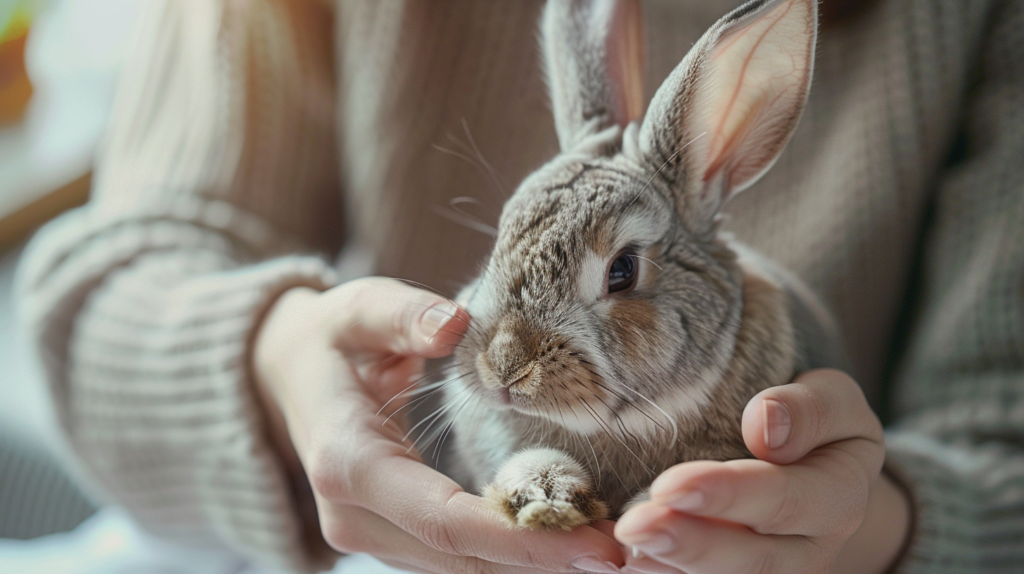
Common Rabbit Health Problems to Watch For
Rabbits are wonderful pets that can live for 8 to 12 years or more when given the right care. While they are generally hardy animals, rabbits are experts at hiding signs of illness. In the wild, showing weakness can make them vulnerable to predators, so common rabbit health problems often go unnoticed until they become serious. For this reason, rabbit owners need to be aware of the most common rabbit health issues and know when to seek veterinary advice.
This guide explores the most common rabbit health problems to watch for and how to spot the warning signs early.
Dental Problems
Dental disease is one of the most common rabbit health problems affecting pet rabbits. A rabbit’s teeth grow continuously throughout its life, and if they do not wear down properly, they can become overgrown.
Overgrown teeth can cause pain, difficulty eating, drooling, weight loss, and facial swelling. In severe cases, tooth roots can become infected and lead to serious complications.
Providing unlimited high-quality hay is one of the best ways to support dental health. Hay encourages natural chewing behaviour and helps keep teeth worn down correctly.
Signs of Dental Problems
- Reduced appetite
- Weight loss
- Excessive drooling
- Difficulty chewing
- Wet fur around the mouth
- Eye discharge
Gastrointestinal Stasis (GI Stasis)
Gastrointestinal stasis, often called GI stasis, is a potentially life-threatening condition in rabbits. It occurs when the digestive system slows down or stops moving food through the gut properly.
Common causes include stress, pain, dehydration, poor diet, and underlying illness. A rabbit suffering from GI stasis may stop eating, become lethargic, and produce fewer or smaller droppings.
Because a rabbit’s digestive system should be constantly active, any significant reduction in appetite or droppings should be treated as an emergency.
Signs of GI Stasis
- Loss of appetite
- Little or no droppings
- Lethargy
- Bloated abdomen
- Teeth grinding due to pain
- Reduced interest in normal activities
Flystrike
Common rabbit health problems include flystrike, a serious and often fatal condition that occurs when flies lay eggs on a rabbit’s fur, usually around the rear end. The eggs hatch into maggots, which can rapidly cause severe tissue damage.
Flystrike is most common during warmer months and particularly affects rabbits with dirty fur, obesity, dental disease, or mobility issues.
Regular grooming, cleaning of living areas, and daily health checks are essential for prevention.
Signs of Flystrike
- Visible maggots
- Sudden lethargy
- Loss of appetite
- Foul odour
- Dirty or wet fur around the rear
- Signs of distress
Respiratory Infections
Respiratory infections are common rabbit health problems. These infections can be caused by bacteria, poor housing conditions, stress, or compromised immune systems.
Often referred to as “snuffles,” respiratory infections can affect the nose, eyes, and lungs. Early treatment improves the chances of a full recovery.
A clean, well-ventilated environment can help reduce the risk of respiratory illness.
Symptoms of Respiratory Disease
- Sneezing
- Nasal discharge
- Watery or swollen eyes
- Noisy breathing
- Reduced appetite
- Lethargy
Parasites
Common rabbit health problems can include both external and internal parasites. Fleas, mites, and worms can cause discomfort and lead to more serious health issues if left untreated.
Ear mites are particularly common and can cause intense irritation, scratching, and crusty debris inside the ears.
Routine health checks and veterinary-recommended parasite prevention measures are important for keeping rabbits healthy.
Signs of Parasite Infestations
- Excessive scratching
- Hair loss
- Skin irritation
- Ear crusts
- Weight loss
- Poor coat condition
Urinary Problems
Common rabbit health problems include urinary tract issues and can affect rabbits of all ages. Bladder sludge, stones, and infections may develop, particularly in rabbits with inadequate hydration or unsuitable diets.
Rabbits experiencing urinary problems may strain to urinate, pass discoloured urine, or show signs of discomfort.
Encouraging water intake, providing a balanced diet, and ensuring regular exercise can help support urinary health.
Warning Signs
- Straining to urinate
- Reduced urine output
- Thick or gritty urine
- Blood in the urine
- Reduced appetite
- Pain or discomfort
Obesity
Obesity is a surprisingly common rabbit health problem, especially for pet rabbits. Excess weight can contribute to mobility issues, heart strain, flystrike risk, and difficulty grooming.
Many rabbits become overweight due to excessive treats, calorie-rich foods, and insufficient exercise.
A healthy rabbit should have access to plenty of space to run, jump, and explore every day.
Preventing Obesity
- Feed unlimited hay
- Limit sugary treats
- Provide daily exercise
- Monitor body condition regularly
- Offer a balanced rabbit diet
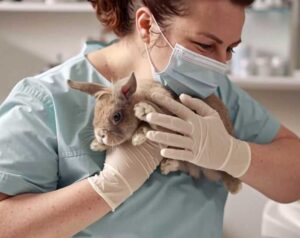
When to Contact a Vet for Common Rabbit Health Problems
Rabbits can deteriorate quickly when ill. Any sudden changes in eating habits, drinking, behaviour, or droppings should be taken seriously. If your rabbit stops eating, appears lethargic, struggles to breathe, or shows signs of pain, contact a rabbit-savvy veterinarian immediately.
Conclusion
Understanding common rabbit health problems can help owners identify issues before they become serious. Dental disease, GI stasis, flystrike, respiratory infections, parasites, urinary disorders, and obesity are among the most common conditions affecting pet rabbits. By providing a proper diet, clean housing, regular exercise, and routine veterinary care, you can help your rabbit enjoy a long, happy, and healthy life. Early detection remains one of the most important factors in successful treatment, so regular health checks should be part of every rabbit owner’s routine.