
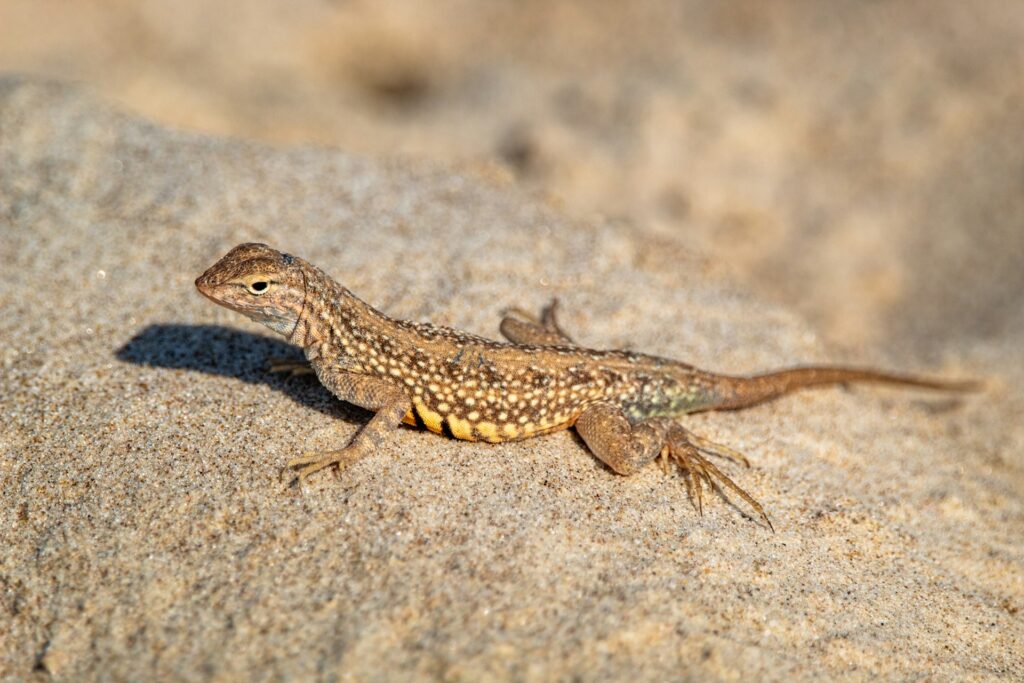
Signs You Have a Healthy Lizard
Keeping a reptile can be an incredibly rewarding experience, but ensuring your pet thrives requires attention to its physical and behavioural health. Whether you’re caring for a gecko, bearded dragon, or iguana, recognising the signs of a Healthy Lizard is essential for long-term wellbeing. This article will walk you through the key indicators that your lizard is in top condition and what you should monitor regularly.
Bright, Clear Eyes and Alert Behavior
One of the most obvious signs of a Healthy Lizard is bright, clear eyes. Your lizard’s eyes should be open, clean, and free from discharge or swelling. Cloudy vision or crust around the eyes can indicate infection, dehydration, or improper humidity levels.
Additionally, a healthy lizard will show alert and responsive behavior. While some species are naturally more docile, most lizards react to movement, explore their environment, and display curiosity. Lethargy or lack of responsiveness may signal illness or stress.
Smooth, Vibrant Skin
Healthy skin is another strong indicator. Your lizard’s scales should be smooth (depending on species), vibrant, and evenly colored without cuts, lesions, or unusual dark patches. Occasional shedding is normal, and during this process, colors may appear dull temporarily.
Proper shedding is a hallmark of a Healthy Lizard. Skin should come off in complete or near-complete pieces. Retained shed, especially around the toes or tail, can restrict circulation and should be addressed promptly.
Strong Appetite and Consistent Feeding
A consistent, species-appropriate appetite is a great sign of good health. A Healthy Lizard will eat regularly and show interest in food. While appetite may fluctuate during seasonal changes or shedding periods, prolonged refusal to eat is a cause for concern.
Monitor feeding habits closely. Sudden changes can indicate environmental problems such as incorrect temperatures, inadequate UVB lighting, or underlying health issues.
Well-Formed Droppings
It might not be the most glamorous aspect of reptile care, but examining your lizard’s droppings is critical. A Healthy Lizard produces well-formed feces with a distinct white urate portion. Diarrhea, discoloration, or parasites visible in stool can indicate digestive or health problems.
Regular enclosure cleaning also helps you track changes more easily and maintain a hygienic environment.
Healthy Lizard Weight and Body Condition
Body condition speaks volumes about your lizard’s health. A Healthy Lizard should have a well-proportioned body—not overly thin or obese. Prominent bones, a sunken tail base, or loose skin may signal malnutrition or illness.
For species like bearded dragons, a plump tail base is a good sign, while leopard geckos store fat in their tails. Maintaining proper nutrition and monitoring weight changes will keep your lizard in optimal condition.
Active and Natural Movement
Movement patterns are another key indicator. A Healthy Lizard moves freely, climbs (if applicable), and uses its limbs without difficulty. Limping, dragging limbs, or tremors may indicate metabolic bone disease or injury.
Proper lighting, especially UVB exposure, plays a crucial role in bone health. Without it, calcium absorption suffers, leading to serious health issues over time.
Clean Nose and Mouth
Check your lizard’s nose and mouth regularly. A Healthy Lizard will have clear nostrils and a clean mouth, free from mucus or swelling. Excess discharge or bubbles around the nose can indicate respiratory infections, especially in improperly heated enclosures.
Regular Basking and Thermoregulation
Lizards rely on external heat sources to regulate their body temperature. A Healthy Lizard will actively move between warm and cool zones in its enclosure. Regular basking behavior shows that your temperature gradient is set up correctly and your pet is functioning normally.
If your lizard avoids basking or remains in one spot constantly, it could indicate stress, illness, or incorrect habitat conditions.
Final Thoughts
Recognizing the signs of a Healthy Lizard is essential for any responsible reptile owner. From clear eyes and smooth skin to strong appetite and active movement, these indicators help ensure your pet is thriving. Regular observation, proper habitat setup, and routine veterinary care will go a long way in keeping your lizard happy and healthy for years to come.
By learning what to look for, you can detect potential problems early and provide the best possible care for your cold-blooded companion.