
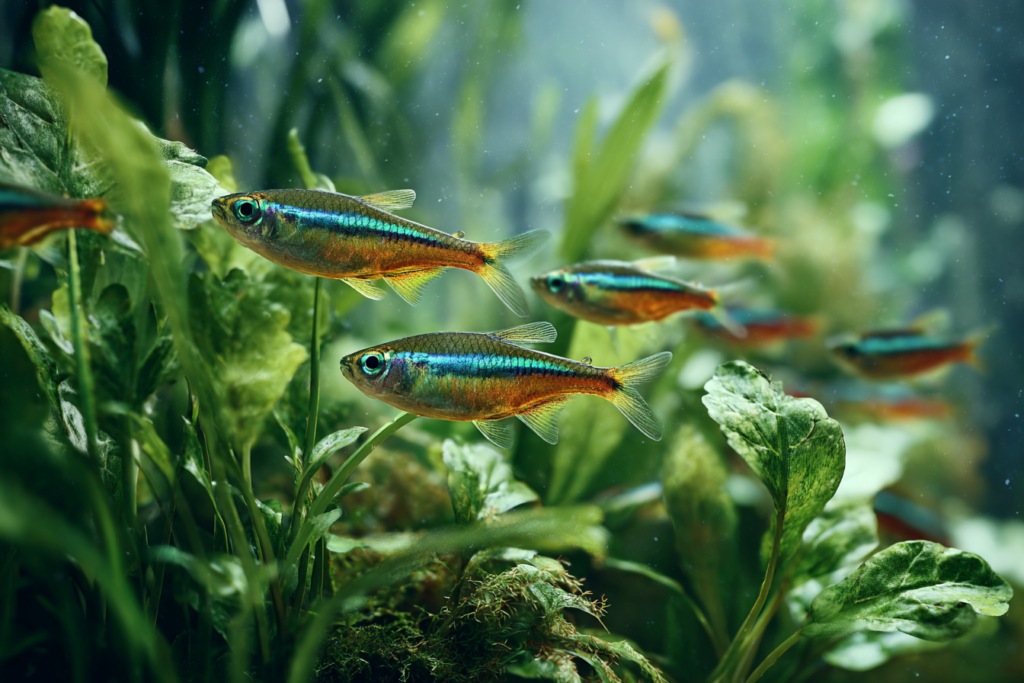
Beginner’s Guide to Starting a Tropical Fish Tank
Starting a tropical fish tank can be a rewarding and relaxing hobby. A well-maintained aquarium brings colour, movement, and life into your home while providing a fascinating glimpse into an underwater world. However, success with tropical fish begins long before you add your first fish. Understanding the basics of aquarium setup and maintenance will help you create a healthy environment where your fish can thrive.
Choosing the Right Aquarium
One of the most common mistakes beginners make is choosing a tank that is too small. While smaller aquariums may seem easier to manage, they are actually less stable and can experience rapid changes in water quality.
For most beginners, a tank of at least 60 litres provides a good starting point. Larger tanks offer more swimming space and help maintain stable water conditions. When selecting a location, place the aquarium on a sturdy surface away from direct sunlight, radiators, and draughts to minimise temperature fluctuations and unwanted algae growth.
Essential Equipment for a Tropical Fish Tank
Before adding water or fish, you’ll need several key pieces of equipment:
- Aquarium filter
- Heater
- Thermometer
- Aquarium lighting
- Water conditioner
- Gravel or sand substrate
- Decorations and plants
A reliable filter helps remove waste and supports beneficial bacteria that keep the water healthy. Tropical fish generally require a water temperature between 24°C and 27°C, making a quality heater essential.
Live or artificial plants, caves, and decorations provide shelter and reduce stress by giving fish places to hide and explore.
Understanding the Nitrogen Cycle
Perhaps the most important concept for new fish keepers is the aquarium nitrogen cycle. Fish produce waste that releases ammonia into the water. Ammonia is highly toxic and can quickly harm or kill fish.
Beneficial bacteria naturally develop within the filter and aquarium surfaces. These bacteria convert ammonia into nitrite and then into nitrate, which is much less harmful. Establishing this biological filtration process is known as cycling the tank.
A new aquarium should be fully cycled before adding a full stock of fish. Water testing kits can help monitor ammonia, nitrite, and nitrate levels during this process. Patience at this stage is critical for long-term success.
Selecting Beginner-Friendly Tropical Fish
Not all tropical fish are suitable for beginners. Some species require specialised care or highly specific water conditions.
Popular beginner-friendly choices include:
- Neon Tetras
- Harlequin Rasboras
- Guppies
- Platies
- Corydoras Catfish
- Cherry Barbs
When choosing fish, research their adult size, temperament, and compatibility with other species. Avoid overcrowding the tank, as too many fish can create poor water quality and increase stress levels.
A peaceful community aquarium with compatible species is often the easiest and most enjoyable option for newcomers.
Adding Fish Gradually
Even after the tank has cycled, it is best to add fish slowly rather than all at once. Introducing a few fish at a time allows the biological filtration system to adapt to the increasing waste levels.
When bringing new fish home, acclimate them carefully to the aquarium water. Floating the bag in the tank for 15 to 20 minutes helps equalise temperature before gradually introducing small amounts of tank water.
This process reduces stress and lowers the risk of shock.
Feeding Your Tropical Fish
Overfeeding is one of the most common beginner mistakes. Fish only require small amounts of food and should generally consume everything within a few minutes.
Feed high-quality flakes, pellets, or species-specific foods once or twice daily. Many tropical fish also benefit from occasional treats such as frozen or live foods.
Removing uneaten food helps maintain good water quality and prevents unnecessary waste buildup.
Routine Aquarium Maintenance
Regular maintenance keeps your aquarium healthy and attractive. Weekly tasks should include:
- Testing water parameters
- Performing a partial water change
- Cleaning algae from glass surfaces
- Checking equipment functionality
- Removing debris from the substrate
Typically, changing around 20 to 30 percent of the water each week helps maintain excellent water conditions without disrupting the tank’s beneficial bacteria.
Consistency is far more important than intensive cleaning sessions.
Final Thoughts
Starting a tropical fish tank is an exciting introduction to fishkeeping. By choosing the right aquarium, understanding the nitrogen cycle, selecting suitable fish, and maintaining good water quality, you can build a thriving aquatic environment. With patience and proper care, your tropical aquarium can provide years of enjoyment while becoming a beautiful focal point in your home.