
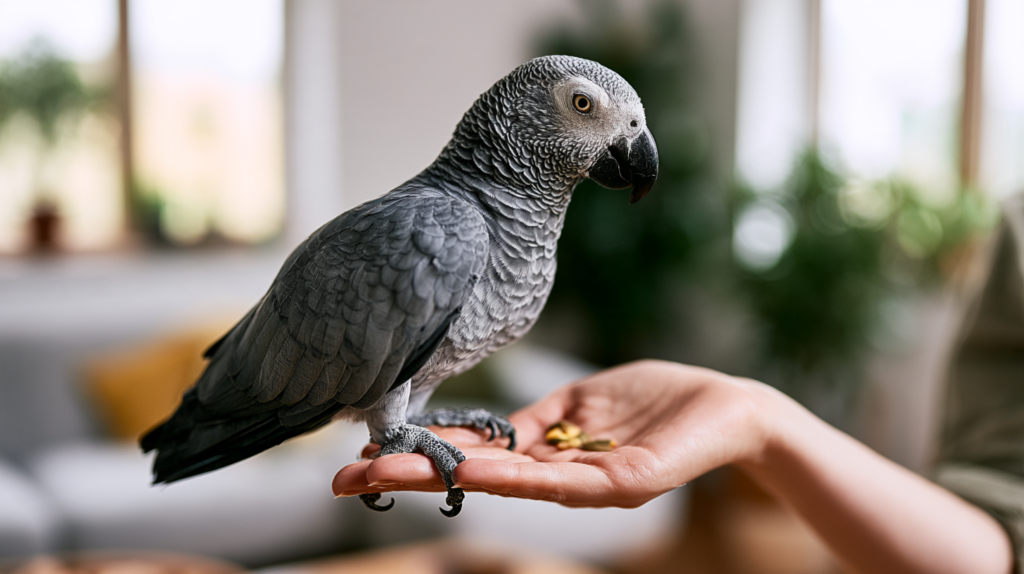
Parrot Care 101: How to Raise a Smart and Confident Parrot
Raising a smart and confident parrot requires much more than providing food and a cage. It involves daily interaction, proper training, mental stimulation, and a suitable environment that allows the bird to thrive.
Parrots are among the most intelligent and engaging companion birds in the world. Known for their problem-solving abilities, social nature, and potential to mimic sounds and speech, parrots can form incredibly strong bonds with their owners. In the wild, they spend much of their day foraging for food, interacting with their flock, and navigating complex environments. Pet parrots retain these natural instincts, which means boredom can quickly lead to behavioural issues such as feather plucking, excessive screaming, or aggression.
Providing enrichment activities is one of the most important aspects of parrot ownership. Puzzle toys, foraging opportunities, and interactive games help keep your bird’s mind active. Rotating toys regularly can prevent boredom and encourage curiosity.
Create a Safe and Comfortable Home
A spacious cage is essential for your parrot’s well-being. The cage should be large enough for the bird to fully extend its wings and move comfortably between perches. Different perch sizes and textures can help maintain healthy feet and provide variety.
Place the cage in a social area of the home where your parrot can observe daily activities. Parrots are flock animals and generally enjoy being part of family life. However, avoid placing the cage in direct sunlight, draughty locations, or near kitchens where fumes and cooking smoke can be extremely dangerous.
Daily supervised out-of-cage time is equally important. This allows your parrot to exercise, explore, and interact with family members while building confidence.
Build Trust Through Positive Interactions
Trust is the foundation of any successful relationship with a parrot. New birds may take time to adjust to their surroundings and should never be rushed into handling. Allow your parrot to approach you at its own pace and reward calm behaviour with treats and praise.
Positive reinforcement training is one of the most effective ways to teach desirable behaviours. Reward your bird immediately when it performs a desired action, such as stepping onto your hand or remaining calm during handling. This creates positive associations and encourages learning.
Avoid punishment or shouting, as this can damage trust and create fear. Consistency, patience, and gentle guidance will produce far better results.
Encourage a Confident Parrot With Early Socialisation
A confident parrot is usually well-socialised. Exposing your bird to different people, sounds, toys, and safe environments can help reduce fear and anxiety later in life.
Introduce new experiences gradually and always monitor your parrot’s comfort level. For example, you can slowly familiarise your bird with new toys by placing them near the cage before introducing them inside. Positive experiences help build resilience and adaptability.
Socialisation is particularly important for young parrots, but older birds can also benefit from carefully managed exposure to new experiences.
Provide a Healthy and Balanced Diet
Nutrition plays a major role in your parrot’s physical and mental health. A high-quality formulated pellet should typically form the foundation of the diet, supplemented with fresh vegetables, leafy greens, and small amounts of fruit.
Variety is important, as many parrots enjoy exploring different textures and flavours. Foods such as carrots, peppers, broccoli, spinach, and peas can be excellent additions to the menu.
Always avoid foods that are toxic to parrots, including avocado, chocolate, caffeine, alcohol, and foods containing excessive salt or sugar.
Fresh water should be available at all times and changed daily.
Keep Training Fun and Rewarding for a Confident Parrot
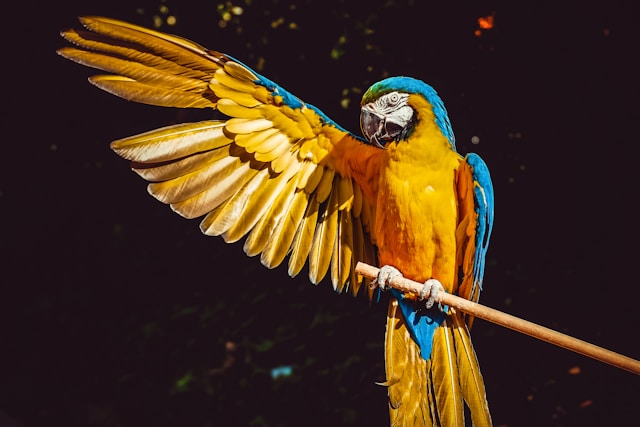
Parrots love learning when training is enjoyable. Short, regular sessions are generally more effective than long lessons. Teaching simple commands such as “step up,” recall training, or target training provides mental stimulation while strengthening your bond.
Many parrots can also learn tricks, object identification, and even basic problem-solving games. Training not only enhances intelligence but also increases your bird’s confidence when interacting with people and unfamiliar situations.
Celebrate small achievements and always end training sessions on a positive note.
Monitor Health and Well-being
Even the smartest parrot needs regular health care. Annual check-ups with an avian veterinarian can help identify issues before they become serious. Watch for changes in appetite, droppings, activity levels, or feather condition, as birds often hide signs of illness.
A healthy parrot is a confident parrot, and more likely to be active, curious, and eager to learn. Combining proper healthcare with enrichment, nutrition, and training creates the ideal foundation for a happy life.
Final Thoughts for a Confident Parrot
Raising a smart and confident parrot requires dedication, patience, and daily interaction. By providing mental stimulation, positive training, social experiences, a healthy diet, and a safe environment, you can help your parrot develop into a well-adjusted and engaging companion. With the right care, these remarkable birds can become cherished members of the family for many years, rewarding their owners with intelligence, personality, and lasting companionship.
Keep Track of Your Parrot’s Progress With a Digital Pet Journal
Raising a smart and confident parrot is an ongoing journey that involves monitoring training progress, recording health information, tracking weight, and noting behavioural changes. Keeping detailed records can help you identify patterns, celebrate achievements, and provide valuable information to your avian veterinarian if needed.
A digital pet journal such as MyPetNet makes it easy to store all your parrot’s important information in one secure place. Whether you’re recording new words your parrot has learned, tracking training milestones, scheduling health checks, or keeping notes about diet and enrichment activities, having a dedicated record can help you provide the best possible care.
With MyPetNet, bird owners can create a comprehensive profile for their pet and access important information whenever they need it.
- Explore MyPetNet Features
- Learn How MyPetNet Works
By maintaining a detailed pet journal throughout your parrot’s life, you can better track health, behaviour, training achievements, and important milestones. A well-organised record not only helps support responsible parrot ownership but also contributes to a happier, healthier, and more confident companion bird. Start your digital pet journal today.