
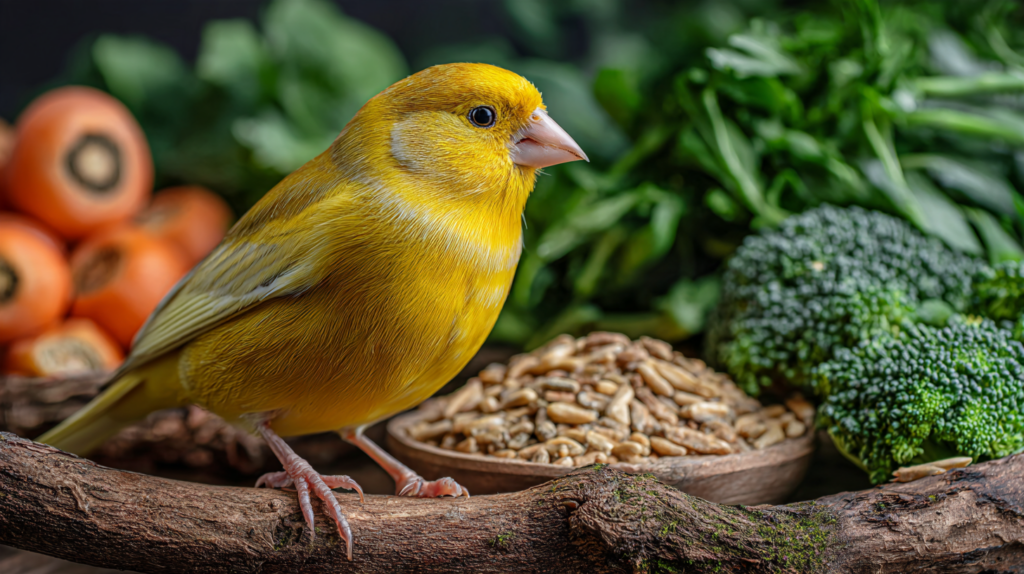
What Do Canaries Eat? Feeding Tips for a Healthy Songbird
Canaries are among the most popular pet birds in the world, loved for their cheerful songs, vibrant colours, and relatively easy care requirements. While these small birds are hardy, their health and longevity depend heavily on receiving a balanced and nutritious diet. Understanding what canaries eat can help prevent common health problems and ensure your feathered friend remains active, happy, and singing beautifully for years to come.
What Should a Canary’s Diet Consist Of?
Many people assume canaries can thrive on a simple seed mix alone. While seeds play an important role in a canary’s diet, relying exclusively on them can lead to nutritional deficiencies. A healthy canary diet should include a combination of high-quality seed mixes, pellets, fresh vegetables, fruits, and occasional protein-rich treats.
Providing a varied diet helps mimic the diverse foods canaries would encounter in the wild and ensures they receive essential vitamins, minerals, and nutrients.
High-Quality Canary Seed Mixes
Seed mixes remain a staple food for most pet canaries. Standard canary seed blends often contain canary grass seed, rapeseed, linseed, niger seed, and small amounts of other nutritious seeds.
When selecting a seed mix, choose a premium product free from excessive fillers or artificial additives. Freshness is important, as old seeds can lose nutritional value and may even develop mould.
Remember that while seeds are appealing to canaries, they are generally high in fat and low in some essential nutrients. For this reason, seeds should form only part of a balanced feeding plan.
Pellets for Better Nutrition
Many avian experts recommend incorporating specially formulated bird pellets into a canary’s diet. Pellets are designed to provide balanced nutrition in every bite and can help prevent selective feeding, where birds pick out only their favourite seeds.
Transitioning a canary from seeds to pellets can take time. Introduce pellets gradually alongside their regular food and monitor their eating habits carefully. Some birds adapt quickly, while others may require several weeks before accepting the new food.
Fresh Vegetables Canaries Love
Fresh vegetables are one of the healthiest additions to a canary’s menu. They provide vitamins, minerals, antioxidants, and fibre that support overall well-being.
Safe vegetables for canaries include:
- Broccoli
- Spinach
- Kale
- Lettuce (in moderation)
- Carrots
- Peas
- Sweetcorn
- Bell peppers
- Cucumber
Wash all vegetables thoroughly before serving and remove any uneaten portions after a few hours to prevent spoilage.
Dark leafy greens are particularly beneficial because they contain important nutrients that support feather condition and immune health.
Can Canaries Eat Fruit?
Yes, canaries can enjoy a wide variety of fruits as occasional treats. Fruit provides natural vitamins and adds variety to their diet.
Popular choices include:
- Apples (without seeds)
- Pears
- Bananas
- Grapes
- Blueberries
- Strawberries
- Melon
- Mango
Because fruit contains natural sugars, it should be offered in moderation rather than as a daily staple. Small portions a few times per week are usually sufficient.
Always remove seeds and pits from fruits before feeding, as some can be harmful to birds.
Protein and Special Treats
Although canaries primarily eat plant-based foods, they benefit from occasional sources of protein, particularly during moulting and breeding seasons.
Suitable protein-rich foods include:
- Boiled egg
- Commercial egg food
- Sprouted seeds
- Small amounts of cooked quinoa
Protein supports feather growth, energy levels, and overall health. However, these foods should be viewed as supplements rather than major dietary components.
Treats should always be offered sparingly to avoid obesity and nutritional imbalance.
The Importance of Fresh Water
A healthy diet isn’t just about food. Fresh, clean water is essential for every canary.
Water should be changed daily, and containers should be cleaned regularly to prevent bacterial growth. During warm weather or periods of increased activity, canaries may drink more frequently.
Never allow water dishes to become contaminated with droppings or leftover food.
Foods Canaries Should Never Eat
Certain foods can be dangerous or even toxic to canaries.
Avoid feeding:
- Avocado
- Chocolate
- Caffeine
- Alcohol
- Onion
- Garlic
- Rhubarb
- Salty snacks
- Sugary foods
- Processed human foods
If you’re unsure whether a food is safe, it’s always best to check with an avian veterinarian before offering it to your bird.
Feeding Tips for a Healthy Songbird
To keep your canary in top condition:
- Provide a varied diet rather than seeds alone.
- Introduce new foods gradually.
- Offer fresh vegetables several times each week.
- Limit sugary fruits and fatty treats.
- Ensure constant access to clean drinking water.
- Monitor your bird’s weight and eating habits.
- Remove spoiled fresh foods promptly.
Regular observation can help you spot dietary issues early. A healthy canary should be alert, active, maintain smooth feathers, and sing regularly.
Conclusion
Knowing what canaries eat is one of the most important aspects of responsible bird ownership. A balanced combination of quality seeds, nutritious pellets, fresh vegetables, occasional fruits, and protein-rich supplements can help your canary enjoy a long and healthy life. By providing variety and avoiding harmful foods, you’ll support strong feathers, bright energy levels, and that beautiful song canaries are famous for. With proper nutrition and care, your little songbird can thrive for many happy years.
Keep Your Pet’s Important Information Safe and Organised with MyPetNet
Being a pet owner involves more than just providing food, exercise, and love. Keeping track of your pet’s health records, medications, vaccinations, appointments, and important information can quickly become overwhelming. MyPetNet makes pet management simple by giving you one place to store and organise everything your pet needs.
With MyPetNet, you can:
✅ Store your pet’s health records securely
✅ Keep track of medications and treatment plans
✅ Set reminders for vaccinations, worming treatments, and flea control
✅ Record important appointments and veterinary visits
✅ Manage essential pet information in one easy-to-access location
✅ Maintain individual profiles for each of your pets
Whether you own a budgie, dog, cat, rabbit, reptile, or any other companion animal, MyPetNet helps you stay organised and ensures important pet care tasks are never forgotten.
🔹 Discover MyPetNet Features
🔹 See How It Works
Join MyPetNet today and take the stress out of managing your pet’s health, medication schedules, reminders, and essential records, all from one convenient platform.
MyPetNet is the smart pet management platform designed to help pet owners organise health records, medication tracking, vaccination reminders, pet profiles, and important pet care information.