
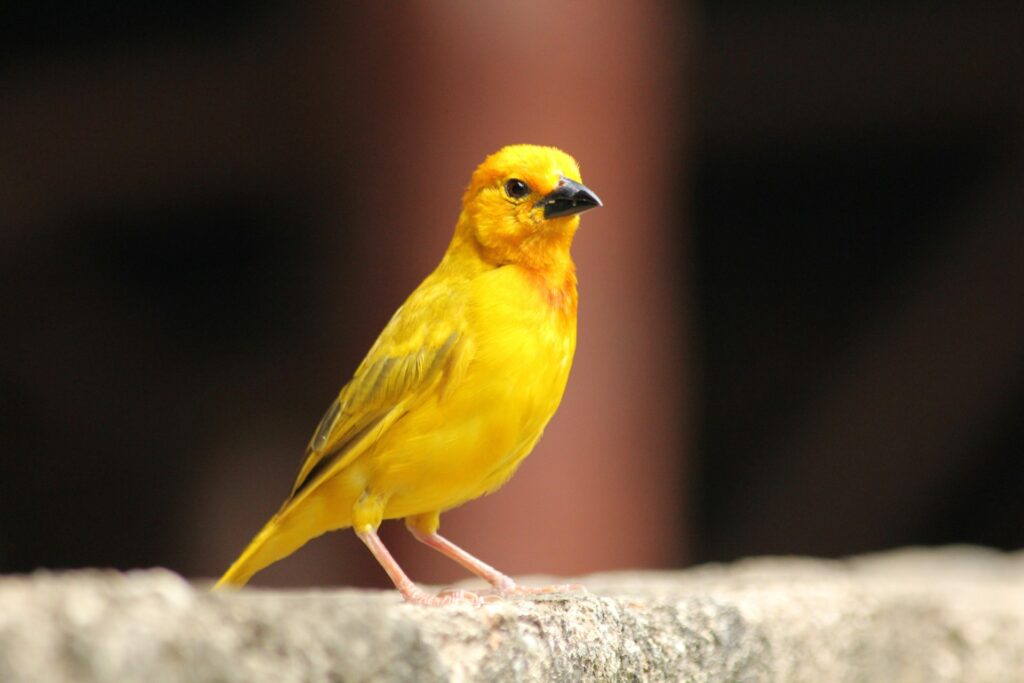
Canary Care Made Easy: A Complete Owner’s Guide
Canaries are among the most popular pet birds in the world, prized for their beautiful songs, vibrant colours, and relatively straightforward care requirements. Whether you are a first-time bird owner or looking to improve your canary care routine, providing the right environment, diet, and attention will help your feathered companion thrive. This complete guide covers everything you need to know about keeping a healthy and happy canary.
Why Choose a Canary?
Canaries are small finches native to the Canary Islands and have been kept as pets for centuries. Unlike some companion birds, canaries do not usually require constant handling or extensive social interaction, making them ideal for people who enjoy observing birds rather than regularly handling them.
Male canaries are particularly famous for their melodic singing, which can bring a cheerful atmosphere to any home. Their manageable size and relatively low-maintenance nature make them an excellent choice for beginners.
Choosing the Right Cage
A suitable cage is one of the most important aspects of canary care. Although canaries are small birds, they need plenty of room to fly from perch to perch. A wider cage is generally better than a tall cage, as it provides more horizontal flying space.
Choose a cage with:
- Multiple natural wood perches of varying diameters
- Easy access to food and water dishes
- Good ventilation
- Adequate room for movement and exercise
Place the cage in a bright room away from direct sunlight, draughts, and sudden temperature changes. Avoid positioning the cage in the kitchen, where fumes from cooking and non-stick cookware can be harmful to birds.
Providing a Healthy Diet
A balanced diet is essential for maintaining your canary’s health and vibrant plumage. While seed mixes remain popular, they should not be the sole source of nutrition.
A healthy canary diet should include:
- High-quality canary seed mix
- Pelleted bird food formulated for small finches
- Fresh vegetables such as spinach, broccoli, and kale
- Small portions of fruit, including apple and pear
- Cuttlebone or mineral blocks for calcium
Fresh, clean water should be available at all times and changed daily. Introducing new foods gradually can help prevent digestive upset and encourage acceptance.
Exercise and Enrichment
Canaries are naturally active birds that benefit from regular exercise. A spacious cage allows them to fly and maintain good physical condition.
Providing enrichment can also prevent boredom and encourage natural behaviours. Consider including:
- Bird-safe toys
- Swings
- Natural branches
- Bath dishes for splashing and grooming
Canaries particularly enjoy bathing and should have access to a shallow bath several times a week. Proper canary care requires your birds regular bathing opportunities to help keep feathers clean and healthy.
Understanding Canary Behaviour
Canaries communicate through song, chirping, and body language. Learning to recognise normal behaviour can help you monitor your bird’s wellbeing.
Healthy canaries are typically:
- Alert and active
- Curious about their surroundings
- Eating and drinking regularly
- Maintaining smooth, well-groomed feathers
Male canaries often sing most actively during the breeding season and when they feel comfortable in their environment. Reduced singing does not always indicate illness, but sudden behavioural changes should be investigated.
Keeping Your Canary Healthy
Preventive canary care is the best way to maintain your bird’s health. Daily observation allows owners to identify potential problems before they become serious.
Watch for symptoms such as:
- Fluffed-up feathers for extended periods
- Loss of appetite
- Difficulty breathing
- Lethargy
- Changes in droppings
If any of these signs appear, consult an avian veterinarian as soon as possible. Birds often hide illness, so early intervention is important.
Maintaining good cage hygiene is equally essential. Clean food and water containers daily and perform regular cage cleaning to reduce the risk of bacterial and fungal infections.
Do Canaries Need Companions?
Canaries can live happily on their own, particularly males kept for their singing abilities. While some owners keep multiple canaries together, overcrowding can lead to territorial disputes, especially during breeding season.
If housing more than one bird, ensure there is adequate space and monitor interactions carefully.
Final Thoughts
Canaries are delightful pets that reward their owners with beautiful songs, colourful plumage, and fascinating behaviour. By providing a spacious cage, balanced diet, regular enrichment, and attentive healthcare, you can ensure your bird enjoys a long and healthy life. With the right care and commitment, canary ownership can be a highly rewarding experience for bird lovers of all ages.