
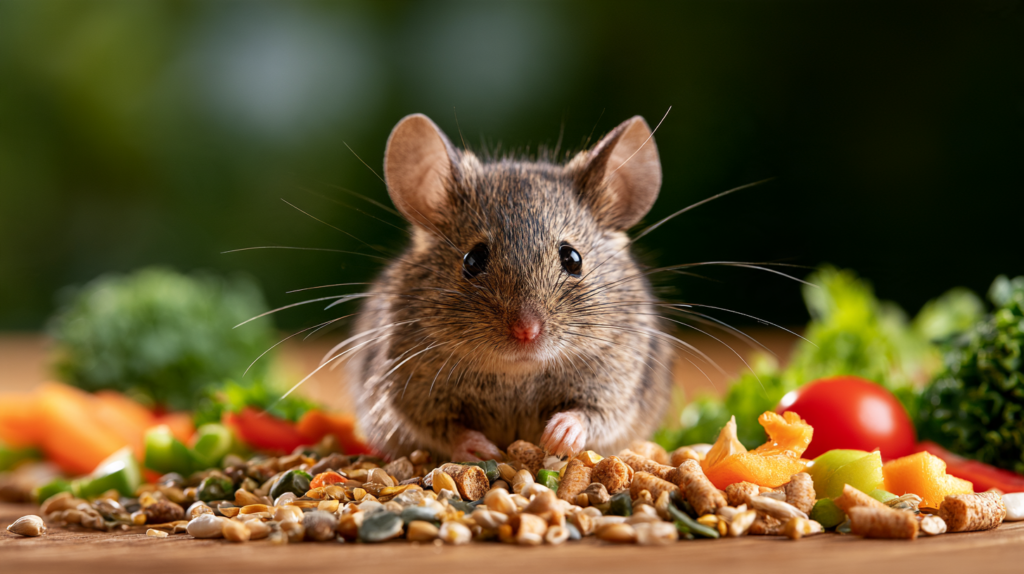
Choosing the Right Diet for Pet Mice: Foods They Need and Foods to Avoid
Pet mice may be small, but their nutritional needs are surprisingly important. A well-balanced diet for pet mice helps maintain a healthy weight, supports the immune system, encourages natural behaviours, and can even contribute to a longer lifespan. Understanding what foods your pet mouse needs and which foods should be avoided is essential for responsible mouse ownership.
In this guide, we’ll explore the best diet for pet mice, healthy treats, and common foods that should never be part of their menu.
Understanding a Pet Mouse’s Nutritional Needs
Pet mice are omnivores, meaning they eat both plant and animal-based foods. In the wild, they consume seeds, grains, fruits, insects, and various plant materials. The right diet for pet mice should replicate this variety while ensuring all nutritional requirements are met.
The foundation of a healthy diet for pet mice should include:
- High-quality mouse pellets or nuggets
- A variety of grains and seeds
- Fresh vegetables
- Occasional fruit treats
- Small amounts of protein-rich foods
- Fresh, clean water available at all times
Providing a balanced diet helps prevent obesity, nutritional deficiencies, and digestive problems.
The Best Staple Food for Pet Mice
The healthiest option for most pet mice is a commercially formulated mouse pellet or nugget food. These products are designed to provide balanced nutrition in every bite.
Pellets offer several advantages:
- Consistent nutrient intake
- Reduced selective feeding
- Balanced protein, fat, vitamins, and minerals
- Less waste compared to mixed seed diets
While seed mixes can be enjoyed occasionally, mice often pick out their favourite ingredients and leave the healthier options behind. Using pellets as the primary food source ensures they receive complete nutrition.
A small daily portion appropriate for the mouse’s size is usually sufficient, supplemented with fresh foods.
Healthy Vegetables for Pet Mice
Fresh vegetables provide valuable vitamins, minerals, and enrichment. Many mice enjoy exploring and nibbling a range of safe vegetables.
Good choices include:
- Broccoli
- Peas
- Carrots
- Cucumber
- Courgette
- Sweetcorn
- Bell peppers
- Green beans
When introducing new vegetables, offer very small amounts initially and monitor for digestive upset. Remove any uneaten fresh food within a few hours to prevent spoilage.
Rotating vegetables throughout the week helps provide dietary variety and mental stimulation.
Fruits as Occasional Treats
Most mice enjoy sweet foods, but fruit should be given sparingly due to its sugar content.
Suitable fruits include:
- Apple (without seeds)
- Blueberries
- Strawberries
- Banana
- Pear
- Melon
A tiny piece once or twice a week is usually enough. Overfeeding fruit can contribute to weight gain and digestive issues.
Protein Sources for Healthy Mice
Protein plays an important role in muscle maintenance, growth, and general health. While quality mouse pellets contain protein, small supplemental protein treats can be offered occasionally.
Safe protein sources include:
- Cooked plain chicken
- Boiled egg
- Mealworms
- Crickets
- Plain tofu
These treats should only be offered in moderation as part of a varied diet.
Seeds, Grains, and Natural Foraging Foods
Seeds and grains are natural foods for mice and can be useful for enrichment activities.
Healthy options include:
- Oats
- Millet
- Sunflower seeds
- Pumpkin seeds
- Brown rice
- Wholegrain cereals with no added sugar
Because seeds are often high in fat, particularly sunflower seeds, they should be fed as treats rather than dietary staples.
Scatter-feeding small amounts around the enclosure encourages natural foraging behaviour and helps prevent boredom.
Foods Pet Mice Should Avoid
Some human foods can be harmful or even toxic to mice. Owners should be aware of foods that should never be offered.
Avoid feeding:
- Chocolate
- Alcohol
- Caffeinated drinks
- Onion
- Garlic
- Raw beans
- Rhubarb
- Citrus fruits in large quantities
- Sugary sweets
- Salty snacks
- Processed junk food
These foods can cause digestive upset, toxicity, or long-term health problems.
It’s also important to avoid mouldy, spoiled, or contaminated foods that may contain harmful bacteria.
Preventing Obesity in Pet Mice
Obesity is one of the most common health problems seen in pet mice. Excess weight can lead to reduced mobility, heart strain, and a lower quality of life.
To help maintain a healthy weight:
- Measure food portions carefully
- Limit sugary treats
- Restrict high-fat seeds
- Encourage exercise with wheels and toys
- Provide opportunities for climbing and exploration
Regularly observing your mouse’s body condition can help identify weight issues before they become serious.
Creating a Balanced Diet Plan
A healthy mouse diet is built around quality pellets, supplemented with fresh vegetables, occasional fruits, and small protein treats. Variety is important, but balance is the key to long-term health.
By understanding your pet mouse’s nutritional needs and avoiding inappropriate foods, you can help ensure they remain active, healthy, and happy throughout their life. A thoughtful feeding routine, combined with a stimulating environment and regular care, provides the foundation for a thriving and content pet mouse.
Keep Track of Your Mouse’s Diet with a Digital Pet Journal
Monitoring your pet mouse’s diet is just as important as choosing the right foods. Mice are small animals, and even minor changes in eating habits, weight, food preferences, or health can sometimes indicate an underlying issue. Keeping detailed records can help you spot patterns and ensure your mouse receives consistent care.
A digital pet journal such as MyPetNet allows owners to record important information about their pets in one secure and easily accessible location. You can create individual pet profiles and track details such as favourite foods, feeding schedules, dietary preferences, allergies, weight changes, medications, vet visits, and health notes.
For mouse owners, this can be particularly useful when introducing new foods. By logging what foods have been offered and noting your mouse’s reactions, you can quickly identify favourite treats or any foods that may cause digestive upset. MyPetNet also allows you to store health records and monitor long-term changes, making it easier to spot trends that could be useful during veterinary consultations. Find out more how MyPetNet online pet journal works.
Another valuable feature is the ability to set reminders for important care tasks such as cage cleaning schedules, health checks, medication, and veterinary appointments. This helps ensure nothing is overlooked, especially if you care for multiple mice or other pets.
Because MyPetNet is accessible from your phone, tablet, or computer, your pet records are always available when you need them, whether you’re at home or attending a vet appointment. Keeping a detailed journal can help you become a more informed and organised pet owner while supporting your mouse’s long-term health and well-being.
To get started, create a free account to begin recording your mouse’s diet, health history, and important milestones.