
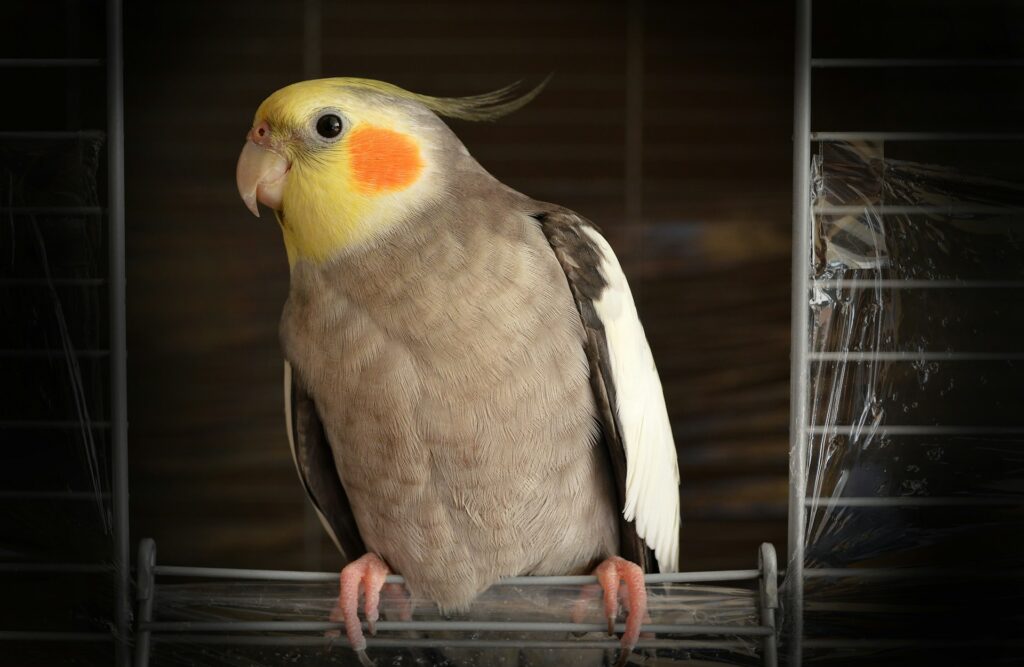
How to Tell If Your Cockatiel Is Happy or Stressed
Cockatiels are among the most popular pet birds thanks to their affectionate personalities, intelligence, and playful nature. As a cockatiel owner, understanding your bird’s body language and behaviour is essential for maintaining its health and well-being. How can you tell if your cockatiel is happy? Unlike dogs or cats, birds communicate through subtle movements, vocalisations, and habits that can reveal whether they are content or experiencing stress. Learning to recognise these signs can help you build a stronger bond with your feathered companion and address potential problems before they become serious.
Signs Your Cockatiel Is Happy
A happy cockatiel is generally active, curious, and engaged with its surroundings. One of the most noticeable signs of a content bird is frequent vocalisation. Cockatiels often whistle, chirp, and mimic sounds when they feel safe and comfortable. While every bird has its own personality, regular cheerful sounds are usually a positive indicator.
Body posture can also tell you a lot about your bird’s mood. A relaxed cockatiel will often hold its crest slightly upright, showing curiosity and confidence. Its feathers should appear smooth and well-groomed rather than puffed up for extended periods.
Playfulness is another excellent sign of a happy cockatiel. Birds that enjoy climbing, exploring toys, shredding paper, or interacting with their owners are demonstrating normal, healthy behaviour. If your cockatiel actively seeks your attention or approaches you during out-of-cage time, it is usually a sign that trust has been established.
A healthy appetite is also associated with a content bird. Happy cockatiels eat regularly, drink normally, and maintain a stable weight. They will often show enthusiasm when offered favourite treats or fresh foods.
Many cockatiels also display affectionate behaviours when they are comfortable. These may include:
- Singing or whistling when you enter the room
- Gently preening your hair or clothing
- Relaxing on your shoulder
- Accepting head scratches
- Performing playful dances or wing displays
These actions often indicate that your bird feels secure and enjoys your company.
Understanding Cockatiel Body Language
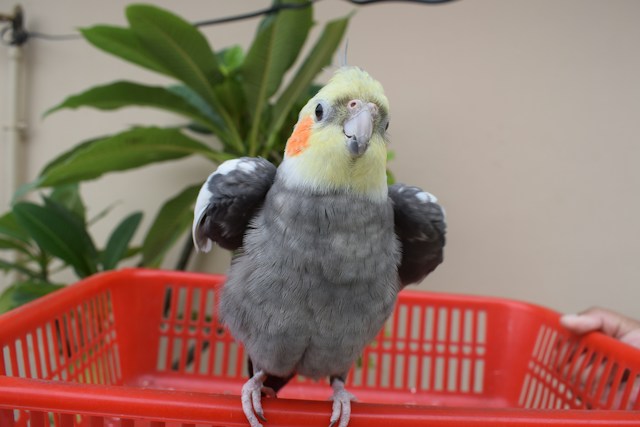
Body language is one of the most important ways cockatiels communicate. The crest on top of their head acts as a useful emotional indicator.
A slightly raised crest often suggests curiosity and interest. A fully erect crest may indicate excitement or alertness, while a flattened crest can signal fear, annoyance, or defensiveness.
Eye behaviour can also provide clues. Cockatiels sometimes rapidly contract and expand their pupils, known as eye pinning. This can occur during excitement, curiosity, or agitation. Understanding the surrounding context helps you determine whether the bird is feeling positive or negative emotions.
Wing positioning is another key signal. A bird stretching its wings, relaxing comfortably, or performing gentle wing flutters is typically content. Conversely, aggressive wing spreading accompanied by hissing can indicate stress or discomfort.
Common Signs of Stress in Cockatiels
Stress can affect a cockatiel’s physical and emotional health. Identifying the warning signs early is crucial to preventing long-term problems.
One common indicator is excessive feather plucking or over-preening. While normal preening is healthy, obsessive grooming that results in feather loss may suggest stress, boredom, illness, or anxiety.
Changes in vocal behaviour can also be concerning. A normally vocal cockatiel that suddenly becomes quiet may be unhappy or unwell. Conversely, excessive screaming can sometimes signal loneliness, fear, or frustration.
Other signs of stress include:
- Flattened crest feathers for prolonged periods
- Frequent hissing or lunging
- Loss of appetite
- Reduced activity levels
- Pacing inside the cage
- Feather chewing
- Aggressive behaviour towards people or other birds
If these behaviours appear suddenly, it is important to investigate possible causes.
What Causes Stress in Cockatiels?
Cockatiels are sensitive birds and can become stressed by changes in their environment. Common triggers include moving the cage, introducing new pets, loud noises, lack of social interaction, and abrupt changes to routine.
Insufficient mental stimulation is another frequent cause of stress. Cockatiels are intelligent and require toys, enrichment activities, and daily interaction to remain happy. Boredom can quickly lead to unwanted behaviours.
Poor diet, inadequate sleep, and an unsuitable cage environment can also negatively impact a bird’s wellbeing. Cockatiels typically benefit from around 10 to 12 hours of uninterrupted sleep each night, and disruptions can contribute to stress over time.
How to Keep Your Cockatiel Happy
Creating a stable, enriching environment is the best way to promote good mental health. Provide a spacious cage with a variety of perches, toys, and safe items to explore. Rotate toys regularly to prevent boredom and encourage natural behaviours.
Daily interaction is equally important. Spending time talking to, training, or simply sitting near your cockatiel helps strengthen your bond and provides valuable social stimulation.
Offer a balanced diet that includes quality pellets, fresh vegetables, and appropriate treats. Maintain a consistent routine whenever possible, and ensure your bird has a quiet, secure place to rest each night.
Final Thoughts
Understanding whether your cockatiel is happy or stressed comes down to observing its behaviour, body language, and daily habits. A happy cockatiel is typically active, vocal, curious, and eager to interact, while signs such as feather plucking, aggression, loss of appetite, or unusual silence may indicate stress. By learning your bird’s individual personality and providing proper care, enrichment, and attention, you can help your cockatiel enjoy a healthier, happier life for many years.