
Common Saltwater Aquarium Problems (and Fixes)
Keeping a saltwater aquarium can be incredibly rewarding. The vibrant colours of marine fish, corals, and invertebrates create a stunning underwater display. However, saltwater tanks require careful management, and even experienced aquarists occasionally encounter problems. Understanding the most common saltwater aquarium problems and knowing how to fix them can help you maintain a healthy and thriving marine environment.
Poor Water Quality
Poor water quality is one of the leading causes of problems in saltwater aquariums. High levels of ammonia, nitrite, nitrate, or phosphate can stress fish and damage corals.
Signs of Poor Water Quality
- Fish gasping at the surface
- Cloudy water
- Increased algae growth
- Corals failing to open fully
- Unpleasant odours
How to Fix It
Regularly test your water using a quality marine test kit to prevent many common saltwater aquarium problems. Perform routine water changes of 10 to 20 percent every one to two weeks. Ensure your biological filtration is functioning correctly and avoid overfeeding your fish. Using reverse osmosis (RO) water can also help reduce unwanted contaminants.
Excessive Algae Growth
Algae outbreaks can happen in both new and established saltwater tanks. While some algae are normal, excessive growth is a common saltwater aquarium problem and can make the aquarium unattractive and compete with corals for nutrients.
Common Causes
- High nitrate or phosphate levels
- Too much lighting
- Overfeeding
- Insufficient maintenance
How to Fix It
Reduce nutrient levels through regular water changes, use phosphate-removing media if necessary, and ensure your lighting schedule is appropriate. Adding a clean-up crew of snails, hermit crabs, and algae-eating fish can also help keep algae under control.
Marine Fish Diseases
Marine fish are susceptible to various diseases, particularly when stressed.
Common Diseases
- Marine Ich (White Spot Disease)
- Marine Velvet
- Fin Rot
- Bacterial Infections
How to Fix It
Quarantine all new fish before adding them to your display tank. If disease appears, move affected fish to a quarantine tank for treatment. Maintain stable water parameters and minimise stress to support fish health and recovery.
Temperature Fluctuations
Saltwater species are sensitive to sudden temperature changes. Even small fluctuations can cause stress and illness.
Signs of Temperature Problems
- Lethargic fish
- Reduced appetite
- Coral stress
- Increased disease susceptibility
How to Fix It
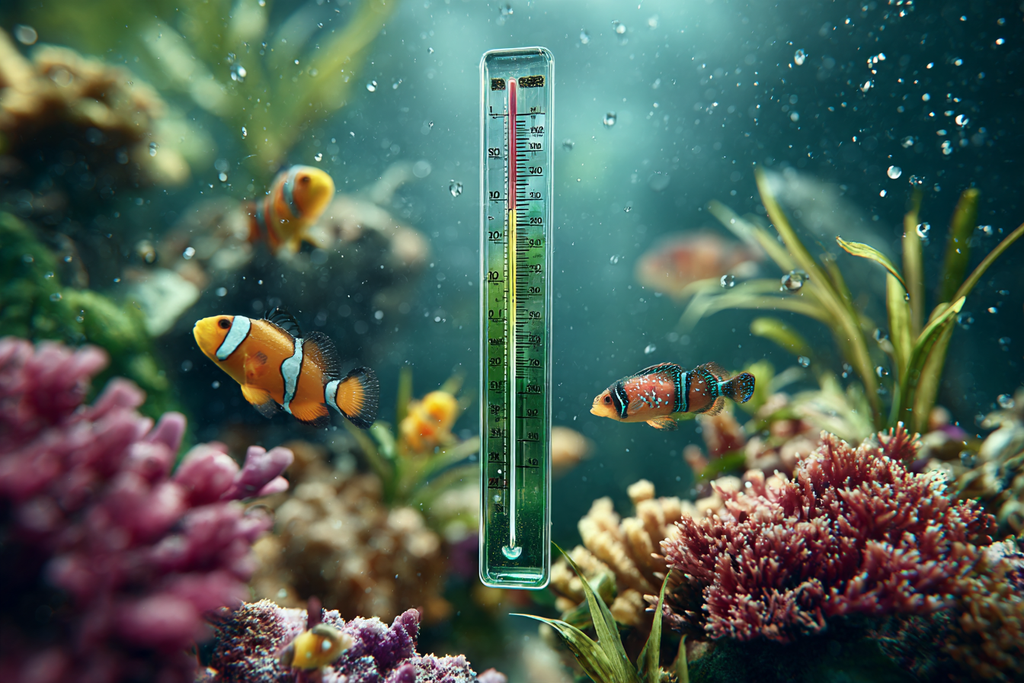
Use a reliable aquarium heater and a quality thermometer. In warmer months, aquarium cooling fans or chillers may be necessary. Aim to maintain a stable temperature between 24°C and 26°C for most marine aquariums.
Low Salinity or Salinity Swings
Maintaining stable salinity is crucial for marine life. Rapid changes can stress fish and invertebrates.
Common Causes
- Evaporation
- Incorrect mixing of saltwater
- Inaccurate measurements
How to Fix It
Use a refractometer or digital salinity meter for accurate readings. Top off evaporated water with fresh RO water, not saltwater. Monitor salinity regularly and make adjustments gradually.
Coral Health Problems
Corals can be sensitive to changes in water chemistry, lighting, and water flow.
Warning Signs
- Bleaching
- Failure to open
- Tissue recession
- Loss of colour
How to Fix It
Check water parameters including calcium, magnesium, alkalinity, nitrate, and phosphate levels. Ensure corals receive appropriate lighting and water movement. Research the specific needs of each coral species before introducing it to your aquarium.
Aggressive Fish Behaviour
Not all marine fish are compatible. Some species can become territorial and aggressive toward tank mates.
Common Issues
- Chasing
- Fin damage
- Stress-related hiding
- Feeding competition
How to Fix It
Research fish compatibility before purchasing. Provide adequate hiding spaces using live rock and decorations. Consider rearranging tank décor when introducing new fish to reduce established territories.
Equipment Failures
Saltwater aquariums depend heavily on equipment such as filters, protein skimmers, heaters, pumps, and lighting systems.
Potential Consequences
- Oxygen depletion
- Poor filtration
- Temperature instability
- Water quality deterioration
How to Fix It
Inspect equipment regularly and clean it according to the manufacturer’s recommendations. Keep spare heaters, pumps, and essential parts available for emergencies. Early detection of equipment issues can prevent major losses.
Overfeeding
Many saltwater aquarium problems can be traced back to overfeeding. Excess food decomposes and contributes to nutrient buildup.
Signs of Overfeeding
- High nitrate levels
- Algae outbreaks
- Cloudy water
- Obese fish
How to Fix It
Feed only what your fish can consume within a few minutes. Remove uneaten food promptly and vary diets to provide balanced nutrition. Smaller, more frequent feedings are often better than large meals.
Creating a Successful Saltwater Aquarium
Success with a saltwater aquarium comes from consistency. Regular testing, water changes, appropriate stocking, and proper maintenance routines will help prevent most common problems before they start. Taking time to monitor your tank and quickly address issues will keep your fish and corals healthy for years to come.
Keep Track of Your Aquarium with MyPetNet
Maintaining a saltwater aquarium involves tracking water parameters, treatments, feeding schedules, equipment maintenance, and livestock health. That’s where the free MyPetNet Pet Journal can help.
MyPetNet allows pet owners to keep important records organised in one convenient location. Whether you want to record water test results, document fish health issues, schedule maintenance tasks, or keep notes about new livestock, a digital journal can make aquarium management much easier.
🔹 Discover MyPetNet Features
🔹 See How It Works
Using a digital pet journal can help you identify trends, spot problems early, and maintain detailed records that contribute to a healthier and more successful saltwater aquarium. Whether you’re a beginner marine hobbyist or an experienced reef keeper, MyPetNet provides an easy way to stay organised and focused on the well-being of your aquatic pets.