
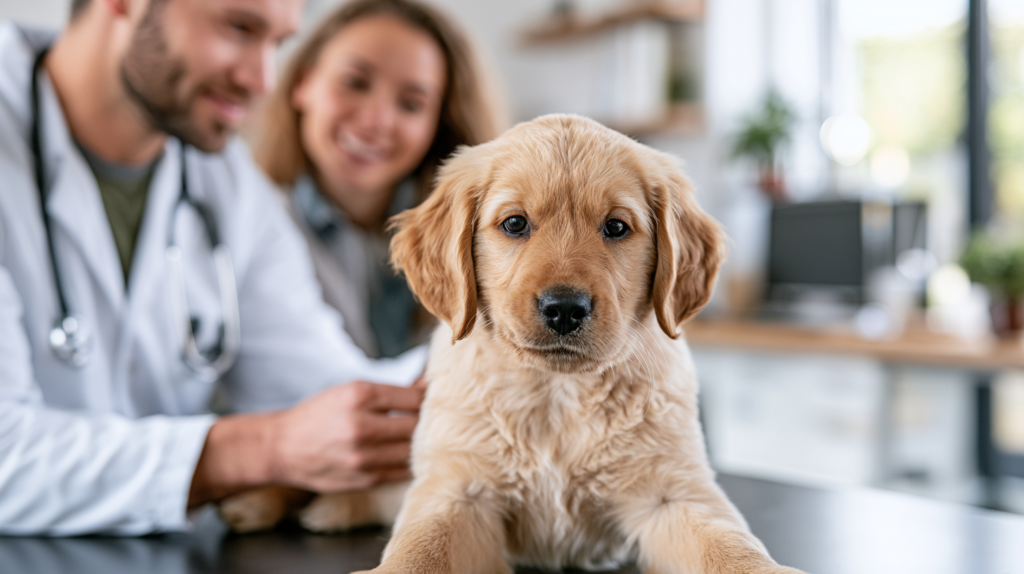
Puppy Vaccinations: When is the Right Time?
Bringing home a new puppy is an exciting experience, but along with providing food, training, and plenty of love, it is essential to protect your puppy from potentially serious diseases. One of the most important steps in responsible pet ownership is following the correct puppy vaccinations schedule. Understanding when a puppy should be vaccinated can help keep your new companion healthy and reduce the risk of preventable illnesses.
Why Are Puppy Vaccinations Important?
Puppies are born with some protection from their mother’s milk, particularly if they receive colostrum during their first few days of life. However, this natural immunity gradually fades as they grow. There is a period when maternal antibodies are no longer strong enough to provide full protection, but can still interfere with vaccines. This is why veterinarians recommend a series of puppy vaccinations rather than a single injection.
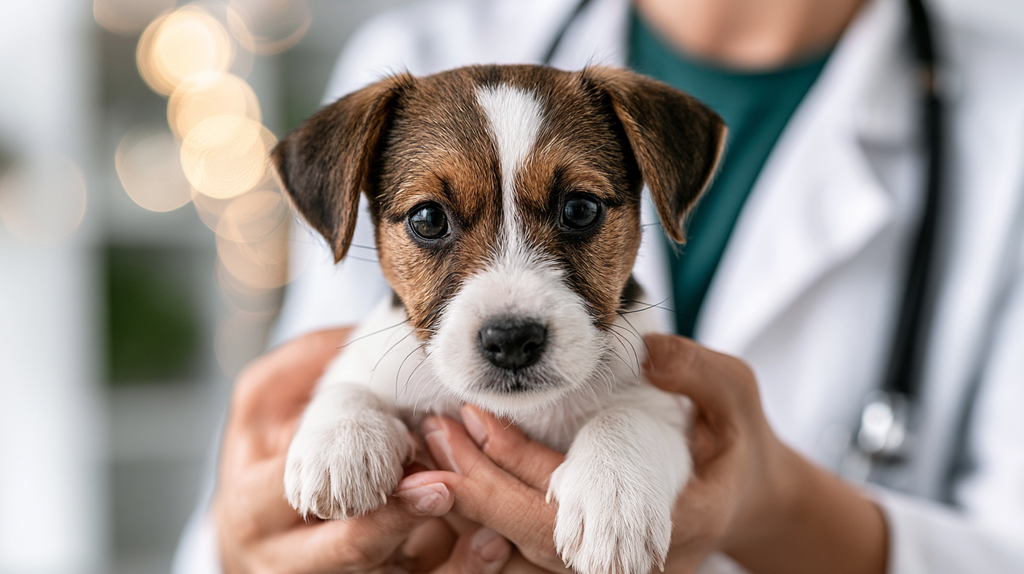
Vaccinations help a puppy’s immune system recognise and fight dangerous diseases before they can cause serious harm. Many of these illnesses can spread rapidly between dogs and may even be fatal without treatment.
Puppy Vaccinations Schedule
The exact puppy vaccinations schedule may vary slightly depending on your vet, location, and your puppy’s individual needs. However, a typical vaccination programme in the UK follows this timeline:
6 to 8 Weeks
At this age, many puppies receive their first vaccination. This initial injection helps protect against common infectious diseases such as:
- Canine parvovirus
- Canine distemper
- Infectious canine hepatitis
Some veterinary practices may start vaccinations at six weeks, particularly if a puppy is considered at higher risk.
10 to 12 Weeks
The second vaccination is usually given two to four weeks after the first. This booster helps strengthen immunity and ensures better protection against serious canine diseases.
Depending on the vaccine used, protection against leptospirosis may also be included.
12 to 16 Weeks
Some vaccination protocols require an additional booster during this period. Puppies may also receive vaccinations based on their lifestyle and risk factors.
Your vet will advise whether further vaccinations are necessary before your puppy is fully protected.
When Can Puppies Go Outside After Vaccinations?
One of the most common questions owners ask is when puppies can safely go outside. While exercise and socialisation are important, exposing an unvaccinated puppy to public areas can be risky.
In most cases, puppies can begin walking in public places around one to two weeks after their final vaccination. This gives the immune system enough time to develop effective protection. Until then, it is best to avoid areas where unknown dogs may have been.
However, safe socialisation remains important. Puppies can still meet healthy, fully vaccinated dogs and experience different sounds, sights, and environments in controlled settings.
Core Puppy Vaccinations
Veterinarians generally recommend protection against several potentially life-threatening diseases, including:
Canine Parvovirus
Parvovirus attacks the digestive system and can be particularly dangerous for young puppies. Symptoms include severe vomiting, diarrhoea, dehydration, and lethargy.
Canine Distemper
Distemper is a highly contagious viral disease that can affect the respiratory, digestive, and nervous systems. It can lead to long-term health complications or death.
Infectious Canine Hepatitis
This disease affects the liver and other organs and can cause severe illness in dogs of all ages.
Leptospirosis
Leptospirosis is a bacterial infection that can spread through contaminated water and wildlife urine. Importantly, it can also be transmitted to humans.
Annual Booster Puppy Vaccinations
Puppy vaccinations are only the beginning. As your dog grows older, regular booster vaccinations help maintain immunity.
The frequency of boosters depends on the vaccines used and your dog’s lifestyle. Many dogs receive annual health checks alongside booster appointments, allowing vets to monitor overall wellbeing and discuss any health concerns.
What Happens If a Puppy Misses Vaccinations?
Missing part of a puppy vaccinations schedule can leave your dog vulnerable to infection. If your puppy misses an appointment, contact your veterinary practice as soon as possible. In some cases, the vaccination course may need to be restarted to ensure effective protection.
Following your vet’s recommended schedule gives your puppy the best chance of developing strong immunity during the critical early months of life.
Final Thoughts
Knowing when a puppy should be vaccinated is one of the most important aspects of responsible dog ownership. By following a recommended puppy vaccinations schedule, you can help protect your pet from serious diseases and give them the healthiest possible start in life. Speak with your veterinarian to create a vaccination plan tailored to your puppy’s age, breed, lifestyle, and individual health needs.
More information
RSPCA guide to puppy vaccinations
Stay Organised With MyPetNet
Keeping track of your puppy’s vaccinations is one of the most important parts of responsible pet ownership. With MyPetNet, you can store vaccination records, monitor your puppy’s health history, set reminders for upcoming booster vaccinations, and keep all your pet’s important information in one secure place. Find out more about how MyPetNet works.
Whether you have a new puppy, an adult dog, or multiple pets, MyPetNet helps you stay organised and ensures important healthcare dates are never forgotten. From medication schedules and vet appointments to favourite foods and special notes, everything is accessible whenever you need it. View more about MyPetNet medication and reminder tracking.
Start building your pet’s complete digital record today for free and enjoy greater peace of mind knowing that vaccination schedules, medical history, and important pet care information are always at your fingertips.