
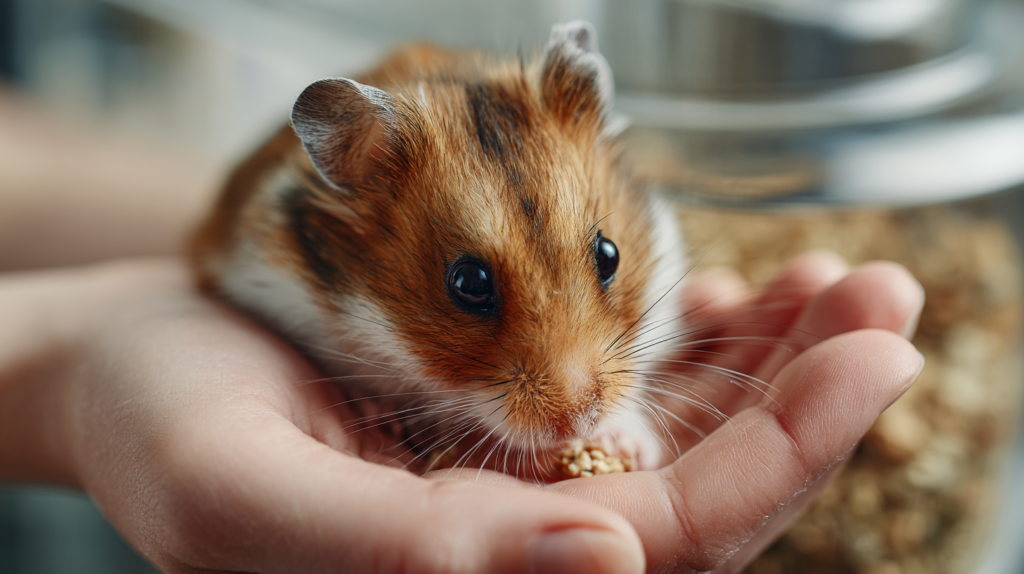
How to Tame a Hamster Without Stress
This guide explains how to tame a hamster without stress, helping you create a positive bond with your furry companion while ensuring their wellbeing.
Hamsters are popular small pets thanks to their adorable appearance, entertaining behaviour, and relatively simple care requirements. However, many new owners are unsure how to build trust with their hamster without causing fear or stress. The good news is that taming a hamster is usually a gradual and rewarding process when approached with patience and understanding.
Understand Your Hamster’s Natural Behaviour
Before beginning the taming process, it’s important to understand that hamsters are naturally cautious animals. In the wild, they are prey animals, meaning their instinct is to be wary of anything larger than themselves.
A new hamster may initially hide, freeze, or run away when you approach. This behaviour is completely normal and should not be mistaken for aggression. Building trust takes time, especially during the first few days in a new environment.
Allow your hamster to settle into its enclosure before attempting regular handling. Most experts recommend giving a new hamster several days to become familiar with its surroundings before starting taming sessions.
Create a Comfortable Environment
A hamster that feels safe is far more likely to become friendly and confident. Ensure your pet has a spacious enclosure with deep bedding for burrowing, hiding places, chew toys, and access to fresh food and water.
Keep the enclosure in a quiet area of the home, away from loud noises, sudden movements, and other household pets that may cause stress.
A relaxed hamster will be much more receptive to human interaction and handling.
Let Your Hamster Get Used to Your Presence
The first step in taming is simply allowing your hamster to become familiar with you. Spend time sitting near the enclosure and speak softly to your pet each day.
Avoid trying to pick your hamster up immediately. Instead, allow them to observe you and learn that your presence is not threatening. Regular interaction helps your hamster associate your voice and scent with safety.
Patience during this stage can significantly improve the taming process later on.
Use Treats to Build Trust
Food is one of the most effective tools for taming a hamster. Start by offering small treats through the bars of the enclosure or from the palm of your hand.
Suitable treats may include:
- Small pieces of cucumber
- Tiny portions of apple
- Sunflower seeds
- Pumpkin seeds
- Hamster-safe commercial treats
Allow your hamster to approach at its own pace. Never chase or corner it. The goal is to encourage voluntary interaction and create positive associations with your hands.
As trust develops, your hamster will begin approaching you eagerly at feeding time.
Encourage Your Hamster onto Your Hand
Once your hamster comfortably accepts treats from your hand, you can begin encouraging it to climb onto your palm.
Place a treat on your open hand and rest it inside the enclosure. Let your hamster investigate freely. Initially, it may only place one paw on your hand before retreating. This is a positive step and should be rewarded with patience.
Over time, your hamster may climb fully onto your hand to collect treats. Avoid sudden movements and keep sessions short and positive.
Start Gentle Handling
When your hamster confidently sits on your hand, you can begin gentle lifting. Raise your hands only a few inches above the bedding at first.
Support your hamster with both hands, creating a secure platform rather than attempting to grip or restrain it. Many hamsters feel unsafe when held tightly, which can lead to stress or attempts to escape.
Gradually increase handling time as your hamster becomes more comfortable.
Avoid Common Taming Mistakes
Many taming setbacks occur when owners move too quickly. To keep the process stress-free, avoid:
- Waking a sleeping hamster
- Grabbing from above
- Forcing interaction
- Making sudden movements
- Holding sessions for too long
- Chasing your hamster around the enclosure
These actions can damage trust and make taming more difficult.
Recognise Signs of Stress
Understanding hamster body language can help you adjust your approach when necessary.
Signs of stress may include:
- Hiding excessively
- Freezing in place
- Flattened ears
- Squeaking
- Attempting to bite
- Rapid movements to escape
If your hamster displays these behaviours, end the session calmly and try again another time.
Final Thoughts
Learning how to tame a hamster without stress requires patience, consistency, and a gentle approach. By giving your hamster time to settle, using treats to build trust, and progressing at your pet’s pace, you can develop a strong bond based on confidence rather than fear. Every hamster has its own personality, but with understanding and positive interactions, most can become friendly, relaxed companions that enjoy spending time with their owners.