
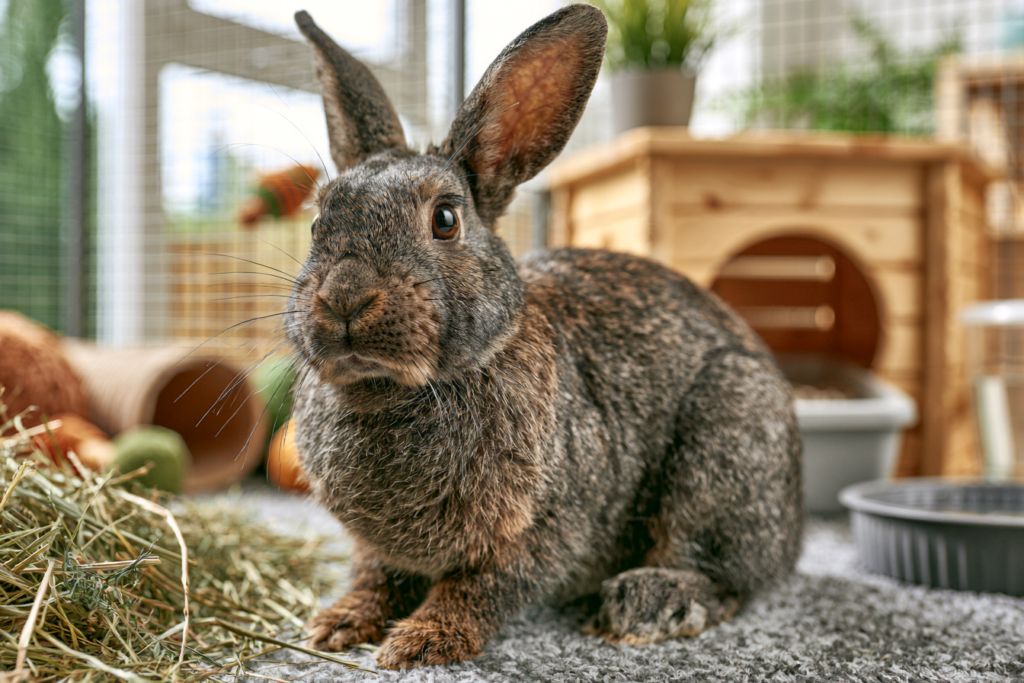
How to Set Up the Perfect Rabbit Enclosure
Creating the perfect rabbit enclosure is one of the most important steps in ensuring your pet lives a happy, healthy, and stress-free life. Rabbits are intelligent, active animals that need far more space and enrichment than many first-time owners realize. A well-designed enclosure provides safety, comfort, exercise opportunities, and mental stimulation, all of which are essential for your rabbit’s wellbeing.
If you’re welcoming a new bunny into your home, here’s everything you need to know about setting up the ideal rabbit habitat.
Choose the Right Rabbit Enclosure Size
One of the biggest mistakes new rabbit owners make is purchasing a cage that is too small. Rabbits need plenty of room to hop, stretch, stand on their hind legs, and explore comfortably.
As a general rule, your rabbit should have a living space that allows at least three to four consecutive hops in any direction. Exercise pens, puppy pens, and dedicated indoor rabbit enclosures are often far better options than traditional pet store cages.
Many rabbit owners successfully use large exercise pens connected to a secure home base area. The more space you can provide, the happier and healthier your rabbit will be.
Select a Safe Location
The location of your rabbit enclosure is just as important as its size. Rabbits are social creatures that enjoy being close to their human family.
Place the enclosure in a quiet area of your home where your rabbit can interact with family members while avoiding excessive noise and stress. Avoid locations that experience:
- Direct sunlight
- Extreme temperatures
- Draughts
- Loud televisions or speakers
- Frequent disturbances from other pets
Indoor housing is generally safer and allows you to monitor your rabbit’s health and behaviour more effectively.
Provide Comfortable Flooring
Rabbits have sensitive feet and should never be kept on wire flooring. Wire surfaces can cause sore hocks, a painful condition affecting the feet.
Choose soft, non-slip flooring such as:
- Fleece blankets
- Low-pile rugs
- Foam mats covered with washable fabric
- Rabbit-safe bedding materials
A comfortable surface encourages natural movement and helps prevent injuries.
Create a Proper Litter Area
Rabbits are naturally clean animals and can often be litter trained. Place a large litter tray in one corner of the enclosure and fill it with rabbit-safe paper-based litter.
Position fresh hay near or inside the litter area because rabbits frequently eat while using the toilet. This simple setup encourages good litter habits and makes cleaning easier.
Avoid clay-based or clumping cat litter, as these products can be dangerous if ingested.
Supply Unlimited Hay
Hay is the foundation of a healthy rabbit diet and should be available at all times. Timothy hay, meadow hay, and other grass hays help maintain proper digestion and keep continuously growing teeth worn down naturally.
Use a hay rack, basket, or feeding station to keep hay clean and dry. Refill it daily to ensure your rabbit always has access to fresh forage.
Alongside hay, provide fresh water in a heavy bowl or bottle and feed appropriate rabbit pellets and leafy greens in moderation.
Include Hiding Places and Shelter
Rabbits are prey animals and require secure hiding spots where they can retreat when feeling nervous or tired.
Good options include:
- Wooden rabbit houses
- Cardboard boxes with entrances
- Tunnels
- Rabbit-safe hideaways
Having multiple shelters helps your rabbit feel secure and reduces stress.
Add Toys and Enrichment
Mental stimulation is essential for preventing boredom and destructive behaviours. Rabbits are naturally curious and enjoy exploring, chewing, digging, and foraging.
Popular enrichment items include:
- Cardboard tubes
- Willow balls
- Untreated wooden chew toys
- Digging boxes
- Foraging mats
- Tunnels
Rotating toys regularly helps keep the environment interesting and engaging.
Allow Daily Exercise Time
Even the best enclosure cannot replace free-roaming exercise. Rabbits need several hours each day outside their enclosure in a safe, rabbit-proofed area.
Remove electrical cords, toxic plants, and small objects that could be chewed or swallowed. Supervised exercise allows rabbits to burn energy, maintain a healthy weight, and display natural behaviours.
Final Thoughts
Setting up the perfect rabbit enclosure is about much more than placing a rabbit in a cage. A spacious environment filled with comfortable flooring, unlimited hay, safe hiding spaces, litter facilities, and enriching activities will allow your rabbit to thrive.
By creating a habitat that meets both their physical and emotional needs, you’ll provide a foundation for a long, healthy, and rewarding life with your rabbit. Proper housing is one of the greatest gifts you can give your furry companion, and it will help strengthen the bond you share for years to come.