
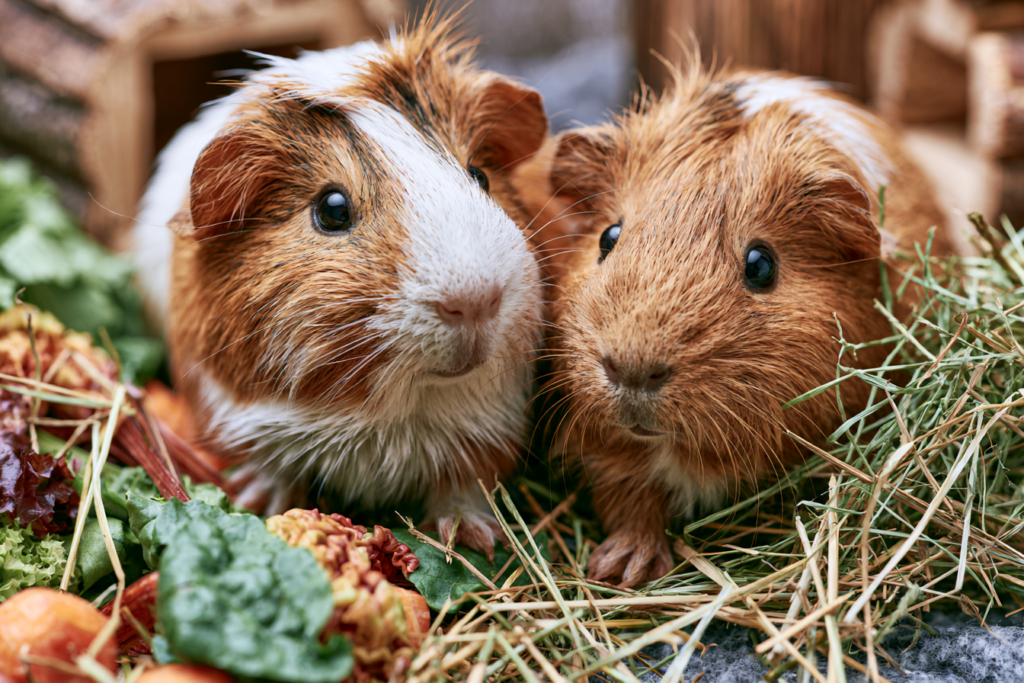
Guinea Pig Care 101: Everything Beginners Need to Know
Guinea pigs are charming, social pets that make wonderful companions for both adults and children. Known for their gentle nature and adorable squeaks, guinea pig care is relatively easy when their basic needs are understood. If you’re considering bringing a guinea pig into your home, this beginner’s guide will cover everything you need to know to keep your furry friend healthy and happy.
Choosing the Right Guinea Pig
Before bringing a guinea pig home, it’s important to understand that they are highly social animals. Guinea pigs thrive when housed with at least one compatible companion, as living alone can lead to loneliness and stress. When selecting your pets, look for bright eyes, a clean coat, and an alert, active personality. Reputable breeders, rescues, and animal shelters are often the best places to find healthy guinea pigs.
Setting Up the Perfect Home
A proper habitat is one of the most important aspects of guinea pig care. Many pet store cages are too small, so aim for a spacious enclosure that allows your pets to move around comfortably. For two guinea pigs, a cage measuring at least 10.5 square feet is recommended.
Line the enclosure with safe bedding such as paper-based bedding or fleece liners. Avoid cedar and pine shavings, as these can cause respiratory issues. The cage should also include:
- A hideout for each guinea pig
- Food and water stations
- A hay rack
- Toys and enrichment items
- Plenty of open space for exercise
Place the cage in a quiet area away from direct sunlight, drafts, and extreme temperatures.
Understanding Guinea Pig Nutrition
A balanced diet is essential for long-term health. The foundation of a guinea pig’s diet should be high-quality grass hay, such as Timothy hay, which should be available at all times. Hay supports digestion and helps wear down continuously growing teeth.
In addition to hay, guinea pigs should receive:
- Fresh leafy vegetables daily
- High-quality guinea pig pellets
- Constant access to fresh, clean water
One unique dietary requirement is vitamin C. Unlike humans, guinea pigs cannot produce their own vitamin C, making it necessary to provide vitamin C-rich foods such as bell peppers, kale, and parsley. A deficiency can lead to serious health problems.
Avoid feeding chocolate, dairy products, onions, garlic, potatoes, and sugary treats, as these can be harmful.
Daily Care and Exercise
Guinea pigs are active animals that require regular exercise and mental stimulation. In addition to their cage, they should enjoy supervised floor time in a secure area several times per week.
Daily care tasks include:
- Refilling hay and water
- Providing fresh vegetables
- Checking for signs of illness
- Spot-cleaning the enclosure
Regular interaction helps build trust and strengthens the bond between you and your pets. Handle guinea pigs gently by supporting their entire body and avoiding sudden movements.
Grooming and Hygiene
Guinea pigs are generally clean animals, but they still require routine grooming. Short-haired breeds need occasional brushing, while long-haired varieties benefit from more frequent grooming to prevent mats and tangles.
Other grooming tasks include:
- Trimming nails every few weeks
- Checking teeth regularly
- Monitoring ears and skin for signs of infection
- Cleaning the cage thoroughly at least once a week
Baths are rarely necessary and should only be given when recommended by a veterinarian or when a guinea pig becomes unusually dirty.
Recognizing Common Health Problems
Because guinea pigs can hide signs of illness, owners should remain vigilant. Seek veterinary care if you notice:
- Loss of appetite
- Weight loss
- Labored breathing
- Diarrhea
- Overgrown teeth
- Lethargy
- Changes in behavior
Finding an exotic animal veterinarian before an emergency arises can save valuable time if your pet becomes sick.
Creating a Happy Life for Your Guinea Pig
Guinea pigs can live between five and eight years, and sometimes even longer with excellent care. Their happiness depends on proper nutrition, companionship, a spacious living environment, and regular attention from their owners.
By understanding their social nature and meeting their daily needs, beginners can provide a safe and enriching home for these lovable pets. With the right care, guinea pigs reward their owners with years of companionship, entertaining personalities, and plenty of cheerful squeaks.