
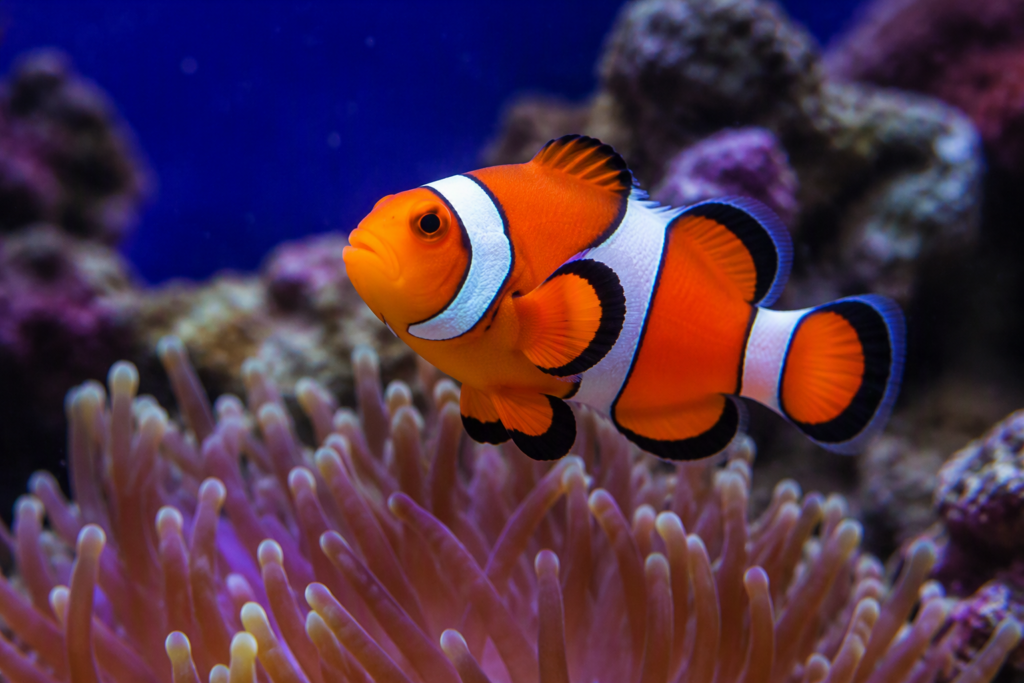
Marine Fish Compatibility Guide
Creating a thriving marine aquarium is about much more than choosing colorful fish. Successful saltwater fishkeeping depends on understanding compatibility between species, their temperaments, habitat requirements, and long-term behaviour. Marine fish compatibility means carefully selecting fish that coexist peacefully, aquarists can create a healthy, visually stunning tank that minimises stress and aggression.
Why Marine Fish Compatibility Matters
Marine fish often come from diverse reef environments where they have established territories, feeding habits, and social structures. When incompatible species are placed together in a confined aquarium, aggression, stress, injury, and even death can occur.
A well-planned community tank promotes natural behaviors, reduces competition for food and space, and helps maintain excellent overall fish health. Before adding any new fish, it is essential to research its adult size, temperament, and environmental needs.
Understanding Fish Temperaments
Marine fish are generally categorized into three temperament groups:
Peaceful Fish
These species typically coexist well with other non-aggressive tank mates and are ideal for beginner reef tanks.
Examples include:
- Clownfish
- Firefish Gobies
- Royal Grammas
- Banggai Cardinalfish
- Neon Gobies
Peaceful species should usually be introduced before more dominant fish to help establish their territories without intimidation.
Semi-Aggressive Fish
These fish can coexist with many community species but may become territorial, especially as they mature.
Examples include:
- Dwarf Angelfish
- Dottybacks
- Coral Beauty Angelfish
- Hawkfish
- Some Wrasse species
Careful stocking and adequate hiding places are important when keeping semi-aggressive fish.
Aggressive Fish
Aggressive species often defend territory aggressively and may bully smaller tank mates.
Examples include:
- Triggerfish
- Large Wrasses
- Damselfish
- Lionfish
- Certain Tangs
These fish typically require larger aquariums and careful compatibility planning.
Popular Compatible Marine Fish Combinations
Many aquarists successfully maintain mixed-species reef tanks by choosing fish with different ecological niches.
A popular combination includes:
- Ocellaris Clownfish
- Royal Gramma
- Firefish Goby
- Yellow Watchman Goby
- Banggai Cardinalfish
These fish generally occupy different regions of the aquarium, reducing territorial disputes.
For larger aquariums, additional species such as Yellow Tangs, Kole Tangs, and Reef-Safe Wrasses may also coexist successfully when adequate swimming space is provided.
Fish Species to Approach with Caution
Some marine fish are beautiful but require careful consideration before introduction.
Tangs
While many tangs are reef safe, multiple tangs of similar shape or color may fight intensely. Larger tanks with ample swimming room increase the chances of success.
Damselfish
Damselfish are often sold as beginner fish due to their hardiness. However, many species become highly territorial and may harass peaceful tank mates as they mature.
Dottybacks
Dottybacks are striking and colorful but can become aggressive toward smaller fish and species occupying similar territories.
Tank Size and Aquascaping Considerations
Compatibility is heavily influenced by aquarium size. Fish that coexist peacefully in a large tank may become aggressive in an overcrowded environment.
Providing:
- Multiple caves and hiding places
- Open swimming areas
- Natural territorial boundaries
- High water quality
can significantly reduce conflict.
Live rock structures are particularly valuable because they create visual barriers that help minimize territorial disputes.
Tips for Introducing New Fish
Introducing fish properly can greatly improve compatibility.
Consider the following best practices:
- Add peaceful fish before aggressive species.
- Quarantine all new arrivals before introduction.
- Rearrange rockwork when adding territorial fish.
- Avoid overcrowding.
- Research adult sizes rather than juvenile appearances.
- Observe behavior closely during the first few days.
Adding several compatible fish simultaneously can sometimes reduce aggression by preventing a single newcomer from becoming the focus of territorial attacks.
Common Compatibility Mistakes
Many marine aquarium problems stem from inadequate planning. Common mistakes include:
- Mixing aggressive and timid species.
- Keeping fish that require vastly different diets.
- Overlooking adult fish size.
- Adding too many territorial fish.
- Introducing species without researching compatibility.
Avoiding these errors helps create a more stable and enjoyable aquarium environment.
Final Thoughts
A successful marine aquarium starts with thoughtful fish selection. Understanding species temperament, territorial behavior, tank size requirements, and environmental needs will dramatically improve compatibility and long-term success. By choosing appropriate tank mates and introducing them strategically, aquarists can create a peaceful, vibrant marine ecosystem where fish thrive and display their natural beauty for years to come.