
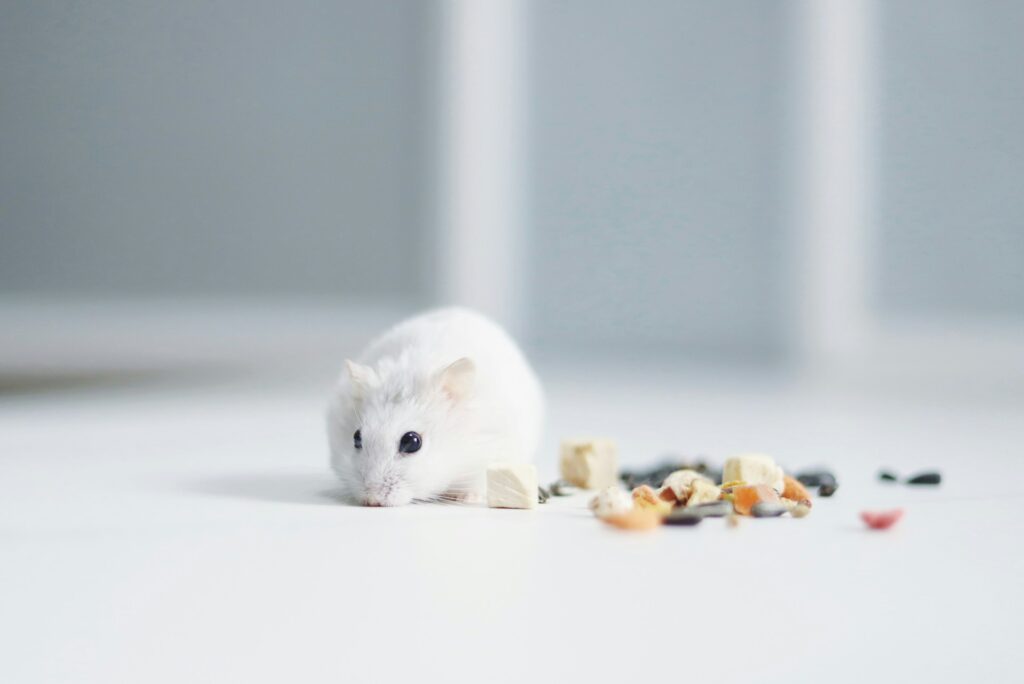
What Hamsters Can and Can’t Eat
Feeding your hamster the right diet is essential for keeping them healthy, active, and happy. While hamsters may seem like low-maintenance pets, their nutritional needs are quite specific. Understanding what hamsters can and can’t eat will help prevent common health issues and ensure your furry friend thrives.
What Hamsters Can Eat
A balanced hamster diet starts with a high-quality commercial hamster mix or pellet. These specially formulated foods provide the right balance of protein, fibre, vitamins, and minerals. Look for brands that include a mix of seeds, grains, and fortified pellets to support overall health.
Fresh vegetables are an excellent addition to your hamster’s diet and should be offered in small portions several times a week. Safe options include carrots, broccoli, cucumber, spinach, and bell peppers. These provide important vitamins and hydration, but should be washed thoroughly and served raw.
Fruits can also be given as occasional treats. Apples (without seeds), bananas, strawberries, and blueberries are popular choices. However, fruit should be limited due to its natural sugar content, which can lead to obesity or diabetes if overfed—especially in dwarf hamster species.
Hamsters also benefit from small amounts of protein. You can offer cooked egg, plain cooked chicken, or mealworms. Protein is particularly important for young, growing hamsters and pregnant females.
Grains such as oats, brown rice, and whole wheat bread (in tiny pieces) are safe in moderation and can provide energy. Nuts and seeds, like sunflower seeds and peanuts, are favourites but should be given sparingly due to their high fat content.
What Hamsters Should Avoid
Knowing what not to feed your hamster is just as important as knowing what they can eat. Some common foods are toxic or harmful to hamsters and must be avoided completely.
Citrus fruits such as oranges, lemons, and grapefruits are too acidic and can cause digestive upset. Similarly, onions, garlic, and chives are toxic and should never be offered.
Chocolate and sugary foods are dangerous for hamsters. These can cause serious health problems, including diabetes and digestive issues. Processed foods, salty snacks, and anything seasoned or flavoured should also be avoided.
Raw potatoes, rhubarb, and tomato leaves are toxic and can cause severe reactions. Iceberg lettuce should be avoided as it has little nutritional value and may cause diarrhoea.
Sticky foods, such as peanut butter, can pose a choking hazard by getting stuck in a hamster’s cheek pouches. Always consider the texture and size of food before offering it to your pet.
How Much Should You Feed Your Hamster?
Portion control is key when feeding hamsters. A small adult hamster typically needs about one to two tablespoons of dry food per day, supplemented with small amounts of fresh foods. Overfeeding can lead to obesity, which is a common issue in pet hamsters.
Hamsters naturally hoard food, so don’t be alarmed if you see them storing it in their bedding. Regularly check and remove any fresh food that has been hidden to prevent spoilage and bacterial growth.
Fresh water should always be available, and bottles should be checked daily to ensure they are working properly.
Tips for a Healthy Hamster Diet
Variety is important, but changes to your hamster’s diet should be introduced gradually to avoid digestive upset. Always monitor your pet after introducing new foods.
Stick to a feeding routine to help your hamster feel secure, and remove uneaten fresh food after 24 hours. Clean feeding dishes regularly to maintain hygiene.
Before offering any new food, double-check that it is safe for hamsters. When in doubt, consult a reputable source or a veterinarian experienced in small animals.
Creating a Balanced Feeding Plan
A healthy hamster diet combines a quality commercial mix with small portions of fresh vegetables, occasional fruits, and protein treats. Avoiding harmful foods and practising portion control will go a long way in keeping your pet healthy.
By understanding what hamsters can and can’t eat, you can provide a safe, nutritious diet that supports a long and happy life for your small companion.