
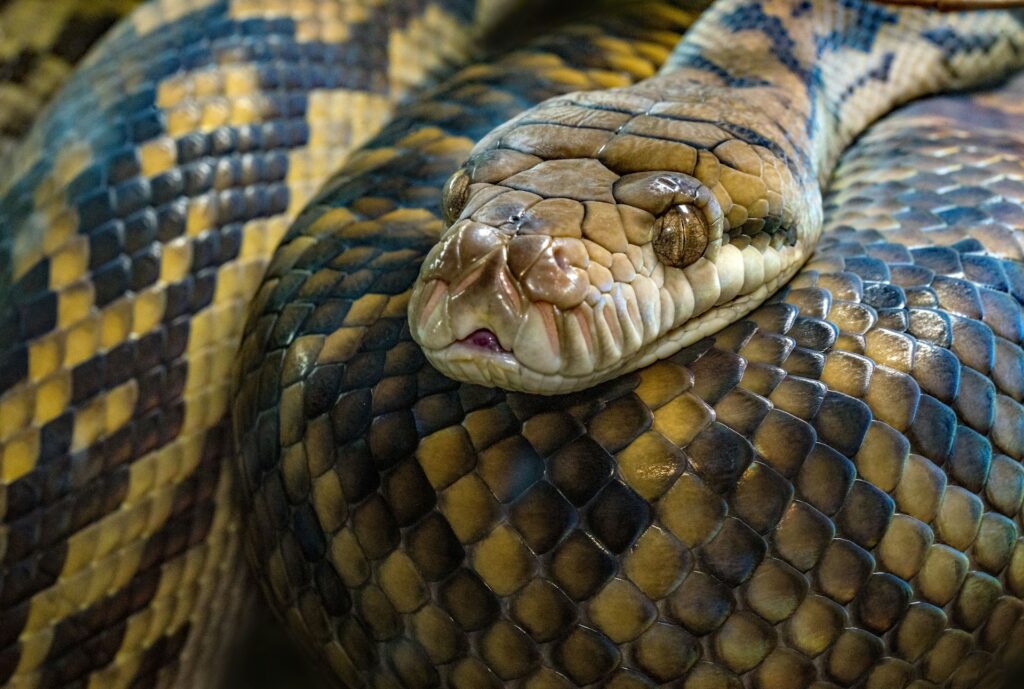
Signs Your Snake Is Stressed or Unhealthy
Snakes are often viewed as low-maintenance pets, but they can experience stress, illness, and environmental problems just like any other animal. Because snakes are naturally skilled at hiding signs of weakness, it is important for owners to recognise subtle changes in behaviour and appearance. Understanding the signs your snake is stressed or unhealthy can help you address problems early and ensure your reptile enjoys a long, healthy life.
Why Snake Health Monitoring Matters
Unlike dogs or cats, snakes do not communicate discomfort in obvious ways. A snake may continue eating and moving normally even when an underlying issue is developing. Regular observation of your pet’s behaviour, appetite, skin condition, and activity levels can help identify problems before they become serious.
Stress is particularly important to manage because prolonged stress can weaken a snake’s immune system, making it more vulnerable to disease and infections.
Loss of Appetite
One of the most common signs of stress or illness in snakes is a sudden refusal to eat. While some species naturally eat less during cooler months or breeding seasons, an unexpected loss of appetite should be investigated.
Possible causes include:
- Incorrect enclosure temperatures
- Improper humidity levels
- Overhandling
- Recent environmental changes
- Internal parasites
- Respiratory infections
If your snake consistently refuses meals beyond its normal feeding pattern, it may be time to consult a reptile veterinarian.
Hiding More Than Usual
Most snakes enjoy spending time in hides, but excessive hiding can sometimes indicate your snake is stressed. If your normally active snake suddenly remains hidden for extended periods and avoids exploring its enclosure, there may be an issue with its environment or health.
Common stress triggers include:
- Excessive noise
- Frequent disturbances
- Lack of secure hiding places
- Incorrect lighting
- The presence of other pets nearby
Providing multiple hides and maintaining a quiet environment can help reduce stress levels.
Constant Pacing or Glass Surfing
At the opposite end of the spectrum, some stressed snakes become unusually active. Glass surfing, where a snake repeatedly pushes against the enclosure walls, is often a sign that something is wrong.
This behaviour may indicate:
- Enclosure that is too small
- Improper temperatures
- Breeding-related activity
- General environmental stress
Review your enclosure setup and ensure temperatures and habitat conditions meet the needs of your snake species.
Respiratory Problems
Respiratory infections are among the most serious health concerns for pet snakes. Symptoms can develop gradually and should never be ignored.
Warning signs include:
- Wheezing
- Clicking sounds while breathing
- Excess mucus around the mouth
- Open-mouth breathing
- Frequent yawning
These symptoms often result from temperatures that are too low or humidity levels that are incorrect. Veterinary treatment is usually required.
Poor Shedding
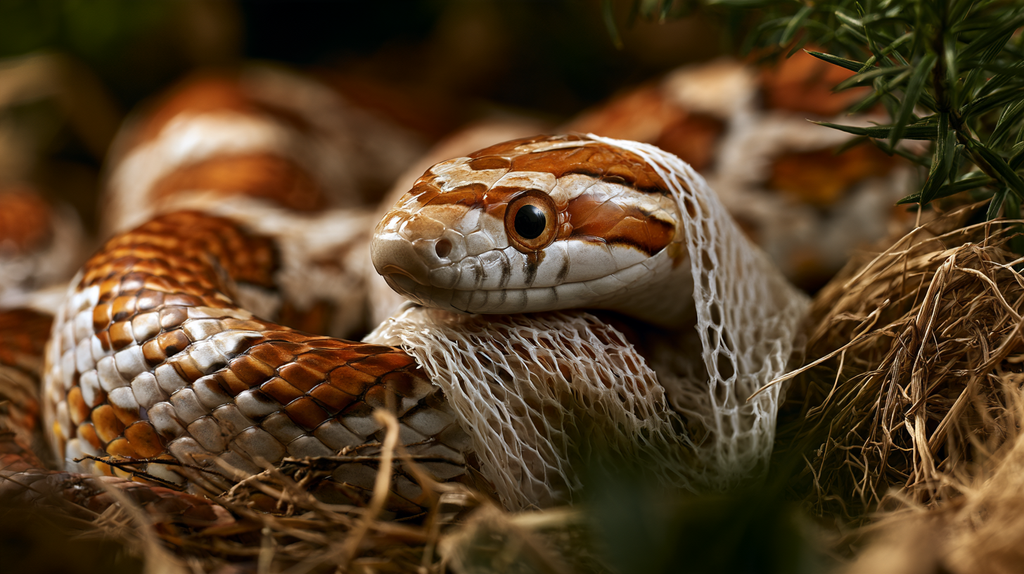
A healthy snake should shed its skin in a single complete piece. Incomplete sheds, also known as retained sheds, can indicate your snake is stressed or poor husbandry.
Common causes include:
- Low humidity
- Dehydration
- Nutritional deficiencies
- Underlying illness
Pay particular attention to retained skin around the eyes and tail, as these areas can lead to complications if left untreated.
Weight Loss and Body Condition Changes
Noticeable weight loss is a significant warning sign. A healthy snake should maintain a consistent body shape, aside from minor fluctuations related to feeding schedules.
Unexplained weight loss may indicate:
- Internal parasites
- Digestive disorders
- Chronic infections
- Long-term stress
Regularly weighing your snake can help identify issues before visible body changes occur.
Abnormal Posture or Movement
Healthy snakes move smoothly and demonstrate normal muscle control. If your snake shows difficulty moving, tremors, loss of balance, or unusual body positioning, immediate veterinary attention may be needed.
Neurological symptoms can be associated with serious illnesses, injury, or environmental problems and should never be ignored.
Mouth Problems
A healthy snake’s mouth should appear clean and free from swelling. Mouth rot, also known as infectious stomatitis, is a common reptile health condition.
Symptoms may include:
- Redness around the gums
- Swelling of the mouth
- Excess saliva
- Pus-like discharge
- Reduced appetite
Early treatment typically leads to a much better outcome.
Changes in Behaviour
Every snake has its own personality and routine. Sudden behavioural changes can be one of the earliest indicators that your snake is stressed or has an illness.
Watch for:
- Increased aggression
- Unusual lethargy
- Excessive defensiveness
- Lack of interest in surroundings
- Frequent striking when previously calm
When behavioural changes occur alongside physical symptoms, veterinary advice should be sought.
Creating a Healthy Environment
Many health and stress-related issues can be prevented through proper husbandry. Ensure your snake has:
- Correct temperature gradients
- Appropriate humidity levels
- Clean drinking water
- Secure hiding places
- A suitably sized enclosure
- A species-appropriate diet
Routine enclosure maintenance and regular health checks are essential for keeping your snake in excellent condition.
Knowing your snake is stressed
Recognising the signs your snake is stressed or unhealthy is one of the most important responsibilities of snake ownership. Changes in appetite, shedding problems, respiratory symptoms, unusual behaviour, and weight loss can all indicate that your snake needs attention. By monitoring your pet closely and maintaining optimal habitat conditions, you can help prevent many common health problems and ensure your snake remains healthy, comfortable, and thriving for years to come.
Keep Your Pet’s Important Information Safe and Organised with MyPetNet
Being a pet owner involves more than just providing food, exercise, and love. Keeping track of your pet’s health records, medications, vaccinations, appointments, and important information can quickly become overwhelming. MyPetNet makes pet management simple by giving you one place to store and organise everything your pet needs.
With MyPetNet, you can:
✅ Store your pet’s health records securely
✅ Keep track of medications and treatment plans
✅ Set reminders for vaccinations, worming treatments, and flea control
✅ Record important appointments and veterinary visits
✅ Manage essential pet information in one easy-to-access location
✅ Maintain individual profiles for each of your pets
Whether you own a budgie, dog, cat, rabbit, reptile, or any other companion animal, MyPetNet helps you stay organised and ensures important pet care tasks are never forgotten.
🔹 Discover MyPetNet Features
🔹 See How It Works
Join MyPetNet today and take the stress out of managing your pet’s health, medication schedules, reminders, and essential records, all from one convenient platform.
MyPetNet is the smart pet management platform designed to help pet owners organise health records, medication tracking, vaccination reminders, pet profiles, and important pet care information.