
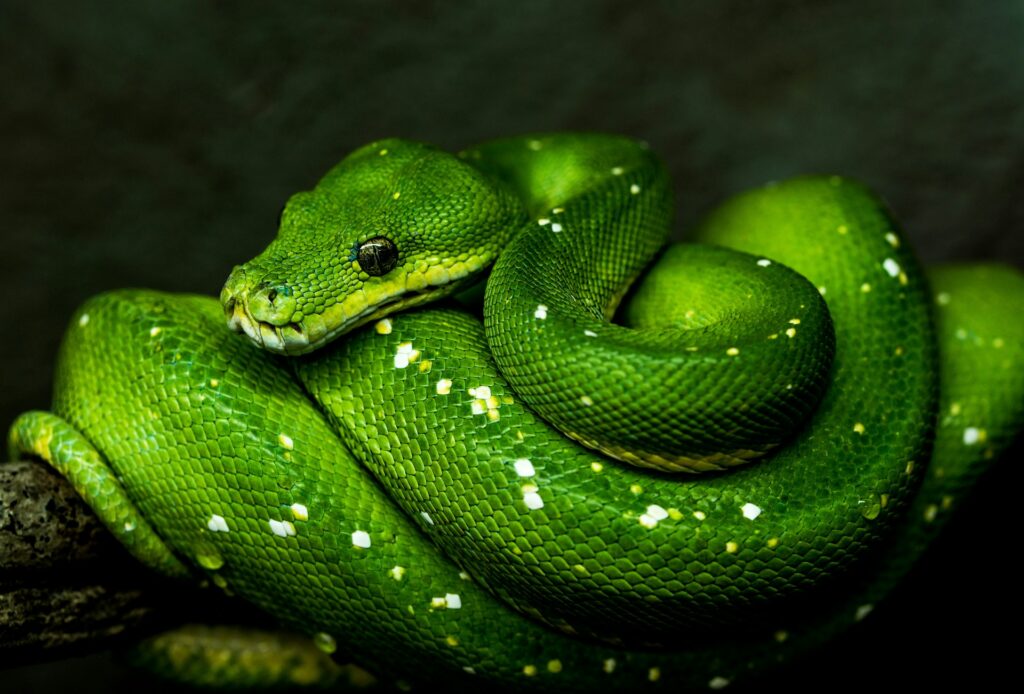
Common Myths About Pet Snakes
If you’re considering keeping a pet snake or simply want to learn more about these incredible reptiles, it’s time to separate fact from fiction. Here are some of the most common myths about pet snakes and the truth behind them.
Snakes are among the most misunderstood pets in the world. Thanks to movies, folklore, and misinformation, many people believe myths that make snakes seem dangerous, difficult, or unsuitable as companion animals. In reality, many snake species are calm, fascinating, and relatively easy to care for when their needs are properly met.
Myth 1: Pet Snakes Are Aggressive
One of the biggest misconceptions about snakes is that they are naturally aggressive and eager to attack humans.
The truth is that most pet snake species are quite docile. Popular beginner snakes such as corn snakes, ball pythons, and king snakes are known for their calm temperaments. Like any animal, a snake may become defensive if it feels threatened, stressed, or mishandled, but aggression is not their default behaviour.
Snakes prefer to avoid conflict whenever possible. In the wild, they rely on camouflage and escape rather than confrontation, and this instinct remains strong in captive animals.
Myth 2: Snakes Are Slimy
Many people avoid snakes because they believe the animals have a slimy texture similar to frogs or fish.
In reality, snakes are completely dry to the touch. Their scales are made of keratin, the same material found in human fingernails and hair. Healthy snakes typically feel smooth, cool, and surprisingly soft.
The slimy snake stereotype likely comes from their shiny appearance, but anyone who handles a well-cared-for snake is often surprised by how pleasant they feel.
Myth 3: Snakes Require Constant Feeding
Some people assume that snakes need to eat every day like dogs, cats, or other small pets.
One of the advantages of keeping snakes is that they generally eat infrequently. Depending on the species, age, and size, a pet snake may only need feeding once every one to two weeks. Larger snakes can sometimes go even longer between meals.
This natural feeding pattern makes snakes relatively low-maintenance pets compared to many mammals and birds.
Myth 4: All Snakes Grow Huge
Thanks to images of giant pythons and anacondas, many people believe any pet snake will eventually outgrow its enclosure and home.
The reality is that many commonly kept pet snakes remain manageable sizes. Adult corn snakes typically reach around 4 to 5 feet, while ball pythons generally grow to about 3 to 5 feet in length. Choosing the right species is important, and responsible keepers research adult sizes before bringing home a new pet.
Not every snake becomes a giant reptile, and many species are perfectly suited for average households.
Myth 5: Snakes Are Dangerous Pets
While some snake species possess venom or can be dangerous, these species are generally not recommended for beginner keepers.
Most pet snakes sold through reputable breeders and pet stores are non-venomous and pose very little risk. Like any pet, they should be handled responsibly and their needs should be understood. Minor bites can occur, particularly during feeding mistakes, but serious injuries from common pet snake species are rare.
Proper handling, care, and husbandry go a long way in ensuring a safe experience for both owner and animal.
Myth 6: Snakes Don’t Recognise Their Owners
Many people believe snakes are incapable of recognising familiar individuals.
Although snakes do not form relationships in the same way that dogs or cats do, they can become accustomed to regular handlers. They often learn to recognise familiar scents, routines, and interactions. A snake that is handled gently and consistently frequently becomes calmer and more comfortable during human contact.
While they may not greet you at the door, they can certainly learn that you are not a threat.
Myth 7: Snakes Are Easy Pets That Need No Care
At the opposite end of the spectrum, some people assume snakes require almost no attention.
While snakes can be lower maintenance than many traditional pets, they still require proper care. Owners must provide suitable heating, lighting where appropriate, humidity control, clean water, secure housing, and regular health monitoring.
A well-maintained habitat is essential to the snake’s wellbeing. Responsible snake ownership involves ongoing commitment and education.
Final Thoughts
Pet snakes are fascinating animals that challenge many common misconceptions. They are not slimy, naturally aggressive, or impossible to care for. With proper research and responsible husbandry, many snake species can become rewarding pets for reptile enthusiasts of all experience levels.
Understanding the truth behind these common myths about pet snakes will helps promote better animal welfare and encourages prospective owners to make informed decisions. Whether you’re considering your first corn snake or already care for a ball python, knowledge is the key to providing a healthy and enriching environment for these remarkable reptiles.