
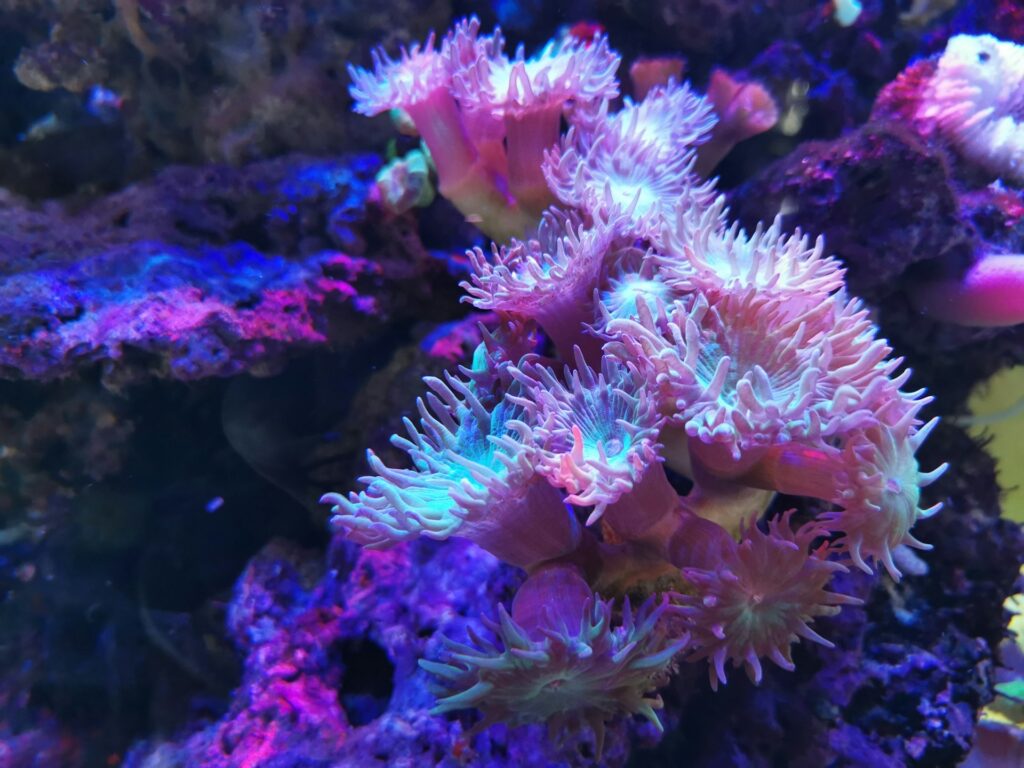
Live Rock, Corals and Marine Tank Setup Explained
Setting up a marine aquarium is one of the most rewarding aspects of the fishkeeping hobby, but it can also feel complex for beginners. Understanding the roles of live rock, corals, and proper tank setup is essential for creating a healthy, thriving saltwater environment. This guide breaks down everything you need to know in a clear, search engine–friendly format to help you succeed.
What Is Live Rock and Why Is It Important?
Live rock forms the foundation of most marine aquariums. Despite its name, it isn’t “alive” in the traditional sense, but it is covered in beneficial bacteria, micro-organisms, and sometimes small marine life such as copepods and worms. These organisms play a critical role in biological filtration by breaking down harmful ammonia and nitrites into less toxic nitrates.
In addition to filtration, live rock provides a natural habitat for fish and invertebrates, offering hiding spaces and territory. Many reef hobbyists also use live rock to create visually appealing aquascapes that mimic natural reefs.
When choosing live rock, look for porous pieces with interesting shapes. More surface area means more space for beneficial bacteria and better biological stability in your tank.
Understanding Corals in Marine Tanks
Corals are marine invertebrates that form the backbone of reef aquariums. They are broadly divided into three categories: soft corals, LPS (large polyp stony), and SPS (small polyp stony). Each type has different care requirements.
Soft corals, such as mushrooms and zoanthids, are ideal for beginners because they are hardy and adapt well to a range of conditions. LPS corals, like hammer and torch corals, require moderate lighting and water flow. SPS corals, including Acropora species, demand strong lighting, stable water chemistry, and high flow, making them more suitable for experienced hobbyists.
Corals rely on a symbiotic relationship with zooxanthellae algae, which provide energy through photosynthesis. This is why proper lighting is crucial. Many modern aquarists use LED lighting systems designed specifically for reef tanks.
Maintaining stable water parameters—such as calcium, magnesium, alkalinity, temperature, and salinity—is essential for coral growth and health.
Essential Marine Tank Setup Components
A successful marine aquarium setup involves more than just water and fish. Here are the key components every aquarist should consider:
Tank Size: Larger tanks are generally more stable and easier to maintain. Beginners often benefit from starting with at least a 100-litre system to help buffer water parameter swings.
Filtration System: This includes mechanical, chemical, and biological filtration. A protein skimmer is highly recommended, as it removes organic waste before it breaks down.
Lighting: Essential for corals and overall tank health. Reef tanks require high-quality lighting that can replicate natural sunlight cycles.
Water Movement: Powerheads or wavemakers are used to simulate ocean currents. Good water flow ensures oxygenation and helps prevent dead spots where debris can accumulate.
Heater and Thermometer: Marine species are sensitive to temperature fluctuations. Maintaining a stable temperature—usually between 24°C and 26°C—is crucial.
Substrate: Many marine tanks use aragonite sand, which can help buffer pH and support beneficial bacteria.
The Importance of Cycling Your Tank
Before adding fish or corals, your tank must go through a nitrogen cycle. This process establishes the beneficial bacteria needed to break down waste. Using live rock can significantly speed up cycling.
Cycling typically takes a few weeks. During this time, ammonia levels rise and then fall as bacteria convert it into nitrites and eventually nitrates. Only add livestock once ammonia and nitrite levels reach zero.
Patience is key—rushing this step is one of the most common mistakes in marine fishkeeping.
Tips for Long-Term Success
Consistency is more important than complexity. Regular water changes, monitoring water parameters, and avoiding overstocking will keep your system stable. Always research the compatibility of fish and corals before adding them to your tank.
Investing in quality equipment from the start can save time and prevent issues later. Most importantly, take a gradual approach—marine aquariums thrive on stability, not sudden changes.
By understanding how live rock, corals, and proper setup work together, you can create a vibrant, sustainable marine environment that will bring years of enjoyment and success.