
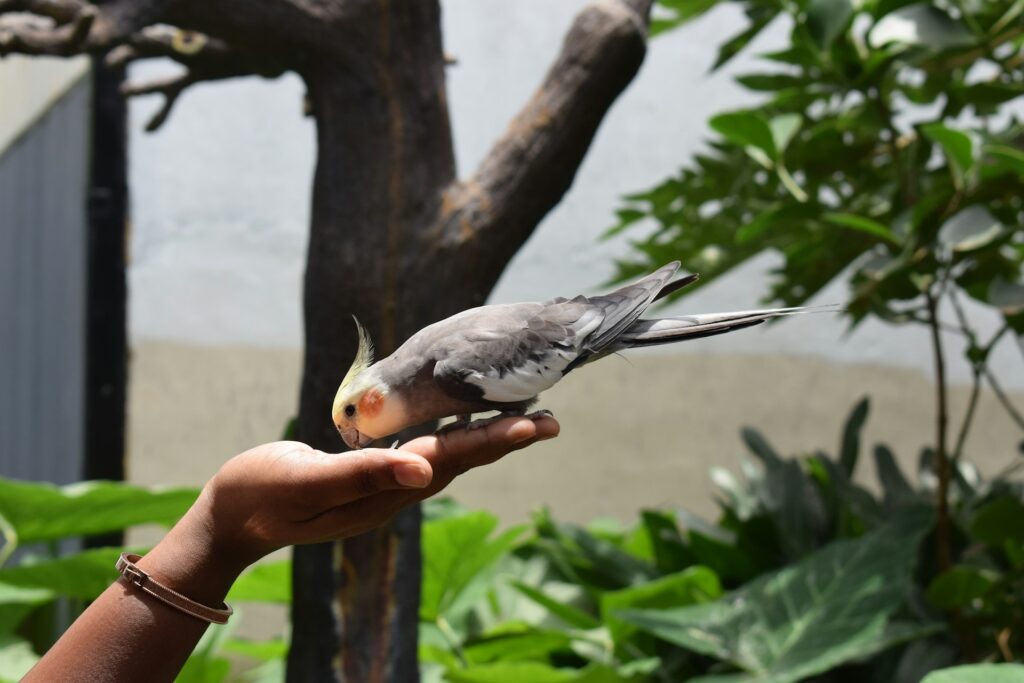
Training Your Cockatiel: Whistling, Handling, and Trust
Cockatiels are among the most and intelligent pet birds, known for their playful personalities, expressive crests, and charming whistles. Training your cockatiel not only enhances their quality of life but also strengthens the bond between you and your feathered companion. In this guide, we’ll explore effective methods for teaching whistling, improving handling, and building lasting trust—all while keeping your bird happy and stress-free.
Understanding Cockatiel Behavior
Before starting any training, it’s important to understand cockatiel behavior. These birds are social flock animals, meaning they thrive on interaction and consistency. They respond best to positive reinforcement, gentle handling, and a calm environment. Recognizing your bird’s body language—such as a raised crest for curiosity or flattened feathers for fear—will help you tailor your training approach effectively.
Consistency is key. Short training sessions of 10–15 minutes a day will produce better results than longer, infrequent ones.
Training Your Cockatiel to Whistle
Whistling is one of the most enjoyable aspects of cockatiel ownership. Male cockatiels, in particular, are known for their whistling and mimicry abilities, though some females can learn as well.
Start by choosing a simple tune, such as a two- or three-note melody. Repetition is critical—play or whistle the tune several times a day, especially when your bird is calm and attentive. You can also use recordings, but your own voice often creates a stronger bond.
Reward progress immediately. When your cockatiel attempts to mimic the sound, offer praise, a treat, or gentle attention. Avoid overwhelming your bird with too many sounds at once, and keep training sessions upbeat and positive.
Patience is essential. Some cockatiels take weeks or even months to pick up a tune, but consistency will pay off.
Handling and Step-Up Training
Handling your cockatiel comfortably is essential for both daily care and bonding. The “step-up” command is the foundation of training your cockatiel.
Begin by placing your finger gently against your bird’s lower chest, just above the legs. Say “step up” in a calm, consistent tone. Most cockatiels will instinctively step onto your finger. Reward them immediately with praise or a treat.
If your bird is hesitant, don’t force it. Start by allowing them to get used to your hand inside the cage. Offer treats from your hand so they associate it with positive experiences. Gradually work up to stepping onto your finger.
Practice in a quiet environment free from distractions. Over time, your cockatiel will become more confident and willing to interact.
Building Trust with Your Cockatiel
Trust is the foundation of all successful training. A cockatiel that trusts you will be more responsive, less fearful, and more affectionate.
Start by spending time near your bird every day, speaking softly and moving slowly. Avoid sudden gestures or loud noises that might startle them. Let your cockatiel approach you on their own terms rather than forcing interaction.
Hand-feeding treats is one of the best ways to build trust. Millet spray is especially effective as a training reward. As your bird becomes more comfortable, gradually increase physical interaction, such as gentle head scratches.
Respect your bird’s boundaries. If they show signs of stress—such as hissing, biting, or retreating—give them space and try again later.
Tips for Successful Training your Cockatiel
Always use positive reinforcement and never punish when training your cockatiel. Negative reinforcement can damage trust and set back progress. Keep sessions short, consistent, and enjoyable. Rotate treats to maintain interest, and celebrate small achievements.
Every cockatiel is unique, so adjust your training approach based on their personality and pace. With patience and dedication, you’ll develop a strong, rewarding relationship with your bird.
Final Thoughts
Training your cockatiel in whistling, handling, and trust-building is a fun and enriching journey for both you and your pet. By focusing on consistency, patience, and positive interactions, you’ll unlock your cockatiel’s full potential and create a lasting bond built on mutual understanding and affection.