
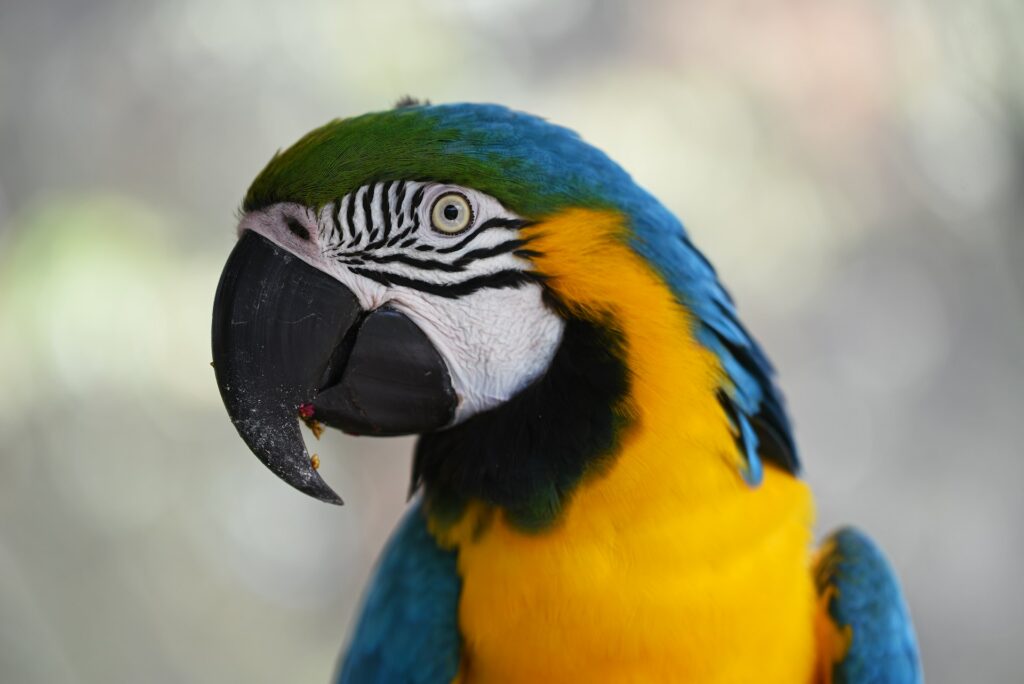
How to Build a Strong Bond With Your Pet Parrot
Parrots are among the most intelligent and social companion animals in the world. Unlike many other pets, they thrive on interaction, mental stimulation, and meaningful relationships with their owners. Building a strong bond with your pet parrot takes patience, consistency, and understanding, but the rewards are immense. A well-bonded parrot is more confident, happier, and more likely to develop positive behaviors. Here is how you can create a lasting connection with your feathered friend.
Understand Your Parrot’s Personality
Every parrot has a unique personality. Some birds are naturally outgoing and eager to interact, while others may be shy or cautious around people. When bringing a new parrot home, give it time to adjust to its environment before expecting immediate affection.
Observe your bird’s body language and behavior. Learning to recognize signs of comfort, curiosity, stress, and fear will help you respond appropriately. Respecting your parrot’s boundaries is one of the fastest ways to earn its trust.
Spend Quality Time Together Daily
Consistency is essential when developing a strong relationship with your parrot. Set aside time every day for interaction, whether it’s talking, training, playing, or simply sitting near the cage.
Parrots are flock animals and naturally seek companionship. Regular social interaction helps them see you as part of their flock. Even short periods of focused attention can strengthen your bond over time.
Try speaking to your parrot throughout the day. Many parrots enjoy hearing their owner’s voice and often respond with sounds, whistles, or words as they become more comfortable.
Use Positive Reinforcement
Positive reinforcement is one of the most effective ways to build trust and encourage desirable behavior. Reward your parrot with treats, praise, or attention whenever it performs a desired action.
For example, if your parrot steps onto your hand calmly, immediately offer a favorite treat. This creates positive associations with handling and interaction.
Avoid punishment or yelling, as these methods can damage trust and create fear. Parrots learn best when they feel safe and motivated rather than threatened.
Learn the Art of Gentle Handling
Handling your parrot correctly is crucial for building confidence and trust. Start slowly and allow your bird to become comfortable with your presence before attempting physical contact.
Teaching the “step up” command is often the first training milestone. Once your parrot willingly steps onto your hand or perch, you can gradually increase interaction through short sessions.
Always move calmly and predictably. Sudden movements can startle parrots and make bonding more difficult. Patience is key, especially with rescued or previously neglected birds.
Provide Mental Stimulation
A bored parrot can become frustrated, destructive, or withdrawn. Engaging your bird’s mind helps create positive experiences and strengthens your relationship.
Offer a variety of toys, puzzle feeders, and enrichment activities. Rotate toys regularly to maintain interest and encourage exploration.
Interactive games can also be highly effective bonding tools. Many parrots enjoy simple activities such as fetch, target training, or learning tricks. These shared experiences build trust while providing valuable mental stimulation.
Respect Your Parrot’s Communication
Parrots communicate constantly through vocalizations, posture, feathers, and eye movements. Paying attention to these signals helps you understand your bird’s needs and emotions.
If your parrot moves away, fluffs aggressively, or shows signs of discomfort, give it space. Respecting these signals demonstrates that you can be trusted. On the other hand, relaxed body language, soft vocalizations, and a willingness to approach you are signs that your bird is becoming comfortable.
Strong bonds are built on mutual understanding rather than forcing interaction.
Create a Safe and Comfortable Environment
Your parrot’s living environment plays a major role in its emotional well-being. Provide a spacious cage, fresh food and water, suitable perches, and opportunities for exercise.
A secure environment helps your bird feel confident and relaxed. Birds that feel safe are generally more receptive to social interaction and training.
Maintaining a predictable daily routine can also reduce stress and strengthen your parrot’s sense of security around you.
Conclusion
Building a strong bond with your pet parrot is a journey that requires patience, trust, and consistent interaction. By understanding your bird’s personality, spending time together daily, using positive reinforcement, providing enrichment, and respecting its communication, you can develop a rewarding relationship that lasts for years. The stronger the connection you build, the more your parrot will view you not just as an owner, but as a valued member of its flock.