
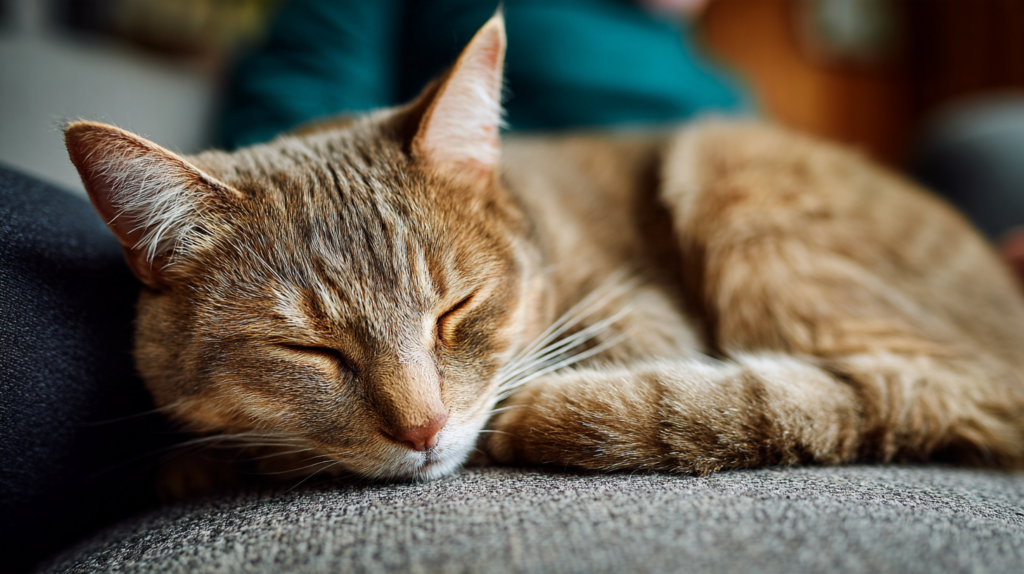
What Your Cats Sleeping Position Says About Their Comfort and Trust
Cats spend a large portion of their lives asleep, often snoozing for 12 to 16 hours a day or even more. While these frequent catnaps may seem mysterious, your cats sleeping position can reveal a surprising amount about how safe, comfortable, and trusting they feel in their environment. By learning to interpret these common sleeping postures, you can gain a deeper understanding of your feline companion’s emotional state and overall well-being.
Why Cats Sleeping Positions Matter
In the wild, cats are both predators and potential prey. Even domesticated cats retain many of these instincts. When a cat chooses how and where to sleep, they are making decisions based on comfort, temperature, security, and trust. Certain sleeping positions help protect vulnerable areas of the body, while others indicate complete relaxation and confidence.
Although every cat has a unique personality, observing their preferred sleeping positions can offer valuable clues about how they feel in your home.
The Curled-Up Ball: Seeking Warmth and Security
One of the most common cats sleeping position is the classic curled-up ball. In this position, the cat tucks their paws underneath their body and wraps their tail close to their face.
This posture helps conserve body heat and protects vital organs. If your cat frequently sleeps curled up, it usually means they are comfortable but still maintaining a natural level of caution. This position is particularly common during cooler weather or when a cat is resting in a new environment.
A curled sleeping cat is relaxed, but not necessarily in their deepest state of trust.
The Belly-Up Position: Maximum Trust
When a cat sleeps on their back with their belly fully exposed, they are displaying one of the strongest signs of trust possible.
A cat’s stomach is one of its most vulnerable areas. By exposing it while asleep, your cat is essentially showing that they feel safe enough to let their guard down completely. This position often indicates that your pet feels secure in their surroundings and trusts the people around them.
However, don’t assume a belly-up sleeper always wants tummy rubs. Many cats happily expose their stomach while sleeping but still prefer not to be touched there.
The Side Sleeper: Deep Relaxation
A cat lying stretched out on their side is usually enjoying a deep and restful sleep.
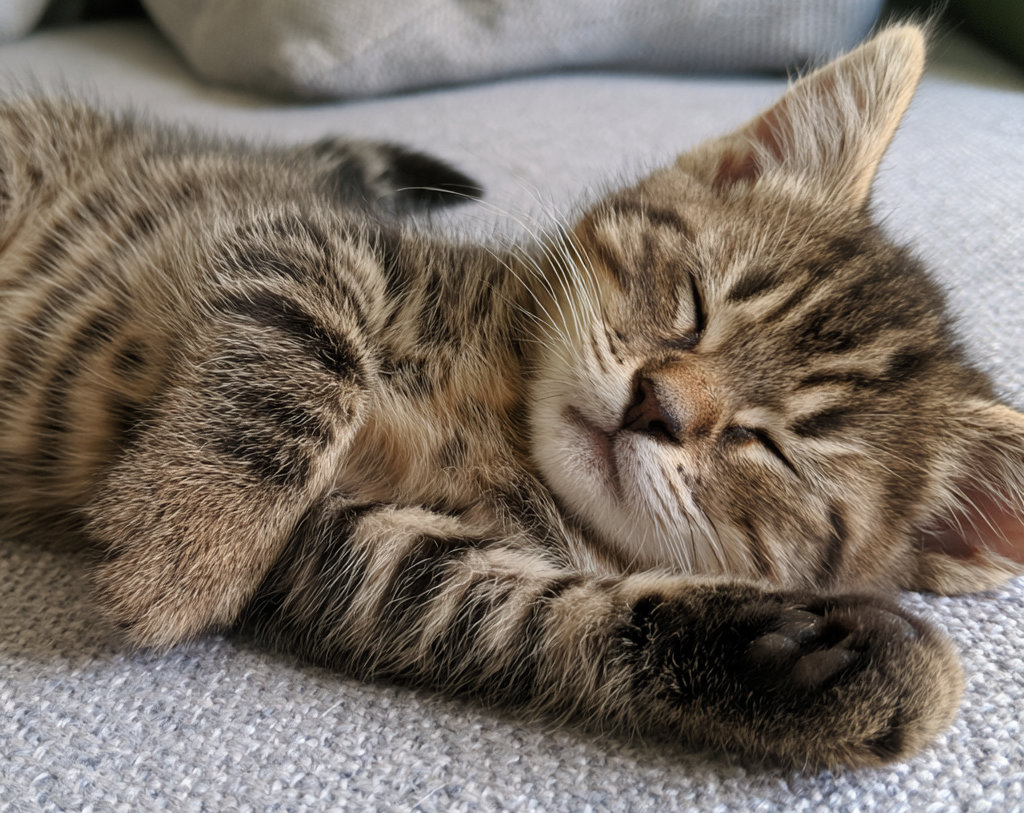
This position exposes more of their body and leaves them slightly less protected than a curled-up posture. Cats often choose side sleeping when they feel comfortable, relaxed, and undisturbed.
If your cat frequently naps on their side in open areas of the home, it’s a good indication that they feel secure in their environment.
The Loaf Position: Resting but Alert
The famous “cat loaf” occurs when a cat tucks all four paws beneath their body, resembling a loaf of bread.
While the loaf position is adorable, it often means your cat is only lightly resting rather than deeply sleeping. Because their paws remain tucked underneath them, they can quickly spring into action if necessary.
Cats commonly loaf when they are comfortable but still paying attention to household activity. Think of it as a relaxed standby mode.
The Superman Stretch: Happy and Content
Some cats sleep stretched out with their front and back legs extended, often resembling a flying superhero.
This position allows for efficient heat dissipation and usually suggests your cat feels completely at ease. It’s commonly seen in confident cats that are comfortable in their territory.
Young cats and energetic breeds often favour this stretched-out posture when enjoying a relaxed nap.
Sleeping Against You: A Powerful Bond
If your cat regularly sleeps on your lap, beside your legs, or pressed against your body, consider it a compliment.
Cats are selective about their sleeping companions because sleeping leaves them vulnerable. Choosing to rest next to you demonstrates trust, affection, and a sense of security. Your presence provides warmth, familiarity, and reassurance.
For many cat owners, this is one of the clearest signs of a strong human-feline bond.
Hidden Away Sleeping Spots
Not all sleeping positions involve complete openness. Some cats prefer sleeping under beds, inside cupboards, or in enclosed cat beds.
This behaviour doesn’t automatically mean your cat is fearful. Many cats enjoy enclosed spaces because they provide warmth and security. However, if a previously social cat suddenly begins hiding to sleep, it may be worth monitoring for signs of stress, illness, or environmental changes.
Understanding Your Cats Sleeping Position Better
Your cats sleeping position is like a silent form of communication. Whether they’re curled into a cosy ball, sprawled belly-up on the sofa, or snuggled against your side, each posture offers insight into their comfort level and sense of trust.
By paying attention to these sleeping habits, you can better understand your cat’s emotional well-being and strengthen the bond you share. The more secure and loved your cat feels, the more likely you are to see those wonderfully relaxed sleeping positions that signal true feline contentment.
Keep Your Pet’s Important Information Safe and Organised with MyPetNet
Being a pet owner involves more than just providing food, exercise, and love. Keeping track of your pet’s health records, medications, vaccinations, appointments, and important information can quickly become overwhelming. MyPetNet makes pet management simple by giving you one place to store and organise everything your pet needs.
With MyPetNet, you can:
✅ Store your pet’s health records securely
✅ Keep track of medications and treatment plans
✅ Set reminders for vaccinations, worming treatments, and flea control
✅ Record important appointments and veterinary visits
✅ Manage essential pet information in one easy-to-access location
✅ Maintain individual profiles for each of your pets
Whether you own a budgie, dog, cat, rabbit, reptile, or any other companion animal, MyPetNet helps you stay organised and ensures important pet care tasks are never forgotten.
🔹 Discover MyPetNet Features
🔹 See How It Works
Join MyPetNet today and take the stress out of managing your pet’s health, medication schedules, reminders, and essential records, all from one convenient platform.
MyPetNet is the smart pet management platform designed to help pet owners organise health records, medication tracking, vaccination reminders, pet profiles, and important pet care information.