
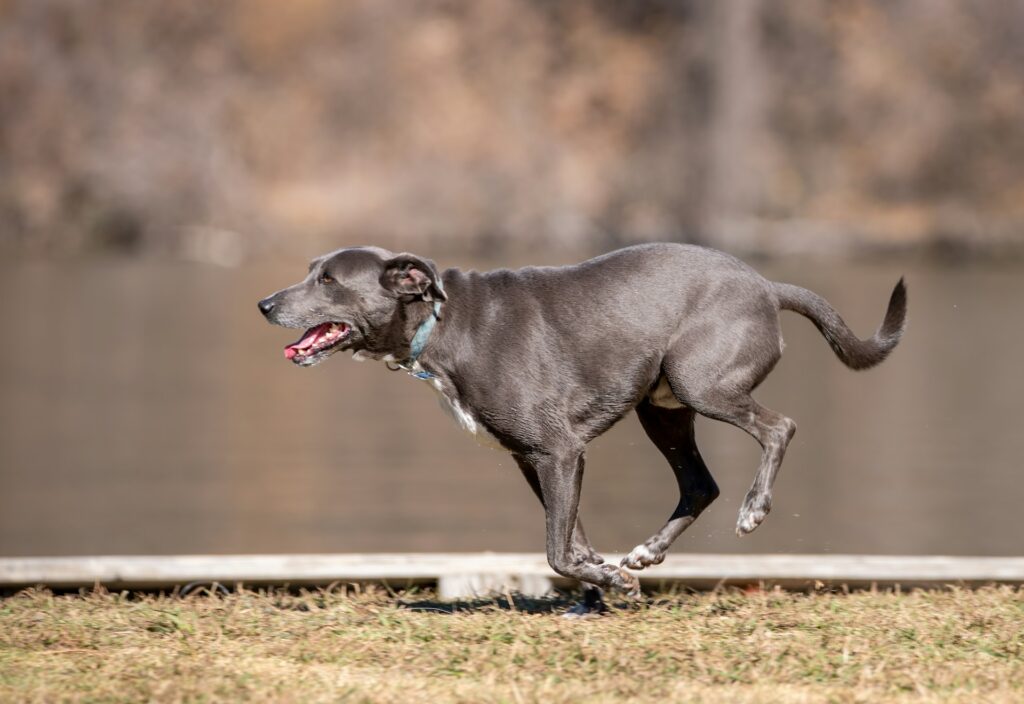
How Much Exercise Does Your Dog Really Need?
Every dog needs exercise, but there is no one-size-fits-all answer when it comes to how much activity your canine companion requires. The right amount of exercise depends on factors such as breed, age, size, health, and personality. Understanding your dog’s unique needs is essential for maintaining their physical health, mental wellbeing, and overall happiness.
Why Exercise Is So Important for Dogs
Regular exercise helps dogs maintain a healthy weight, build strong muscles, support joint health, and improve cardiovascular fitness. Beyond the physical benefits, exercise also provides mental stimulation, which can help reduce boredom and prevent unwanted behaviours such as excessive barking, chewing, digging, or hyperactivity.
A well-exercised dog is often calmer, more relaxed, and easier to train. Daily activity also strengthens the bond between you and your pet, making walks and playtime an enjoyable shared experience.
General Exercise Guidelines by Age
Puppies
Puppies have plenty of energy, but their developing bones and joints require careful management. A commonly recommended guideline is around five minutes of structured exercise per month of age, up to twice a day. For example, a four-month-old puppy may benefit from approximately 20 minutes of exercise per session.
Short walks, gentle play, and basic training sessions are ideal for young dogs. Avoid excessive running or strenuous activity until your puppy is fully grown.
Adult Dogs
Most healthy adult dogs need between 30 minutes and two hours of exercise each day. The exact amount varies significantly depending on breed and energy level.
Low-energy breeds such as Bulldogs, Basset Hounds, and Shih Tzus may be content with 30 to 60 minutes of daily activity. In contrast, active breeds such as Border Collies, Labrador Retrievers, German Shepherds, and Springer Spaniels often require 90 minutes or more of exercise each day.
Senior Dogs
Older dogs still need regular exercise, but the intensity should be adjusted to suit their age and any health conditions. Gentle walks, swimming, and light play sessions can help maintain mobility, muscle tone, and mental stimulation without placing excessive strain on aging joints.
Breed Matters More Than You Think
A dog’s breed can have a major influence on their exercise requirements. Breeds originally developed for herding, hunting, or working often have much higher energy levels than companion breeds.
For example:
- Border Collies may require two or more hours of physical and mental activity daily.
- Labrador Retrievers often thrive with at least one to two hours of exercise.
- Jack Russell Terriers need plenty of energetic play and stimulation.
- Greyhounds enjoy short bursts of activity but are often surprisingly relaxed indoors.
- Pugs and Bulldogs typically prefer shorter, less intense walks.
Before establishing an exercise routine, research the specific needs of your dog’s breed.
Signs Your Dog Needs More Exercise
Dogs that are not getting enough activity may display several warning signs, including:
- Excessive barking or whining
- Destructive chewing
- Digging in the garden
- Restlessness or pacing
- Weight gain
- Attention-seeking behaviour
Increasing daily walks, play sessions, or training activities can often help address these issues.
Can a Dog Get Too Much Exercise?
Yes. Over-exercising a dog can lead to fatigue, injury, joint problems, and heat-related illness. Puppies, senior dogs, and breeds with short noses, such as Pugs and French Bulldogs, are particularly vulnerable.
Watch for signs such as excessive panting, reluctance to continue walking, limping, or unusual tiredness after activity. Always provide access to fresh water and avoid intense exercise during hot weather.
Best Ways to Exercise Your Dog
Exercise does not have to mean long walks every day. Variety can keep your dog physically and mentally engaged. Consider activities such as:
- Daily walks
- Fetch and ball games
- Swimming
- Agility training
- Hiking
- Interactive puzzle toys
- Scent work and tracking games
- Obedience training sessions
Combining physical exercise with mental enrichment is often the most effective approach.
Final Thoughts
So, how much exercise does your dog really need? The answer depends on their age, breed, health, and individual personality. While most adult dogs require between 30 minutes and two hours of exercise each day, paying attention to your dog’s behaviour and energy levels will provide the best guide. By creating a balanced exercise routine that includes both physical activity and mental stimulation, you can help your dog live a healthier, happier, and more fulfilling life.