
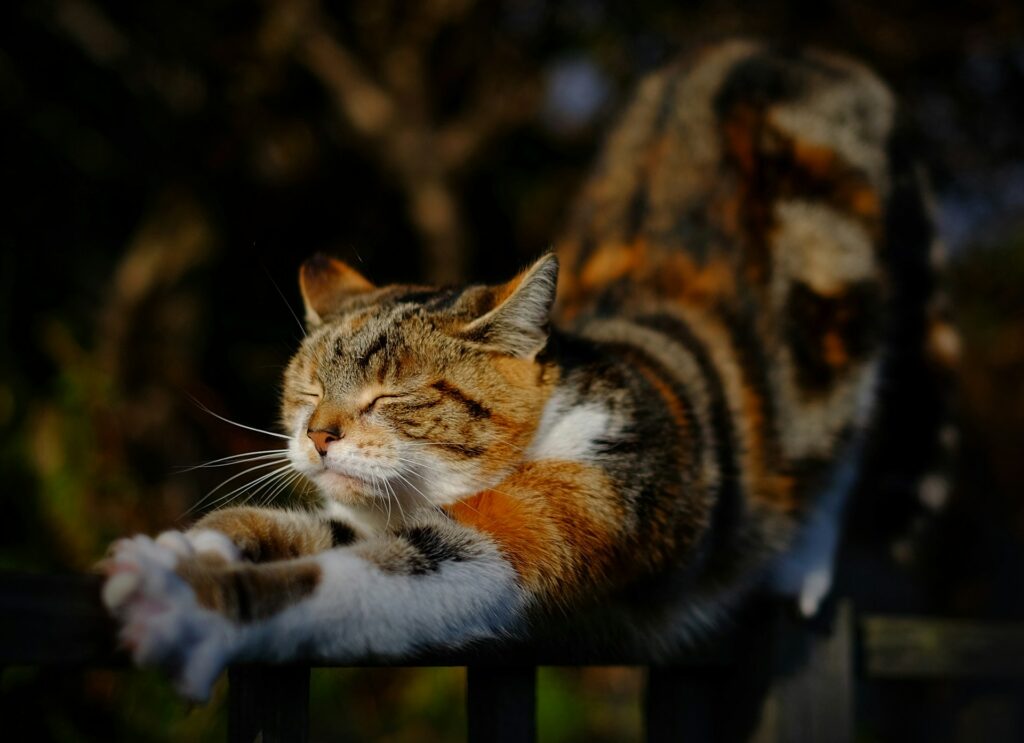
Why Does My Cat Knead? The Real Meaning Explained
If you’ve ever watched your cat rhythmically push their paws in and out against a blanket, your lap, or even your favourite sweater, you’ve witnessed a behaviour known as kneading. Often called “making biscuits,” kneading is one of the most common and endearing feline habits. But why may your cat knead, and what does it really mean?
In this guide, we’ll explore the fascinating reasons behind cat kneading and what your furry friend may be trying to tell you.
What Is Cat Kneading?
Kneading is a repetitive motion where a cat alternates pressing their front paws against a soft surface. Some cats extend their claws while kneading, while others keep them retracted. The behavior can last for a few seconds or several minutes and is often accompanied by purring, drooling, or a deeply relaxed expression.
Although kneading is most commonly seen in domestic cats, it is a natural instinct that has been observed in both wild and domesticated feline species.
Cats Learn Kneading as Kittens
One of the primary reasons cats knead is linked to their earliest days of life. Newborn kittens instinctively knead their mother’s belly while nursing. This action helps stimulate milk flow, making feeding easier and more rewarding.
Because kneading is associated with warmth, comfort, nourishment, and safety, many cats continue the behavior long after they have been weaned. When your adult cat kneads a soft blanket or your lap, they may be expressing the same feelings of contentment they experienced as a kitten.
Kneading Is a Sign of Happiness and Comfort
In most cases, kneading is a positive indicator that your cat feels relaxed and secure. Cats often knead when they are settling down for a nap, cuddling with their owners, or resting in a favorite spot.
If your cat is purring while kneading, it’s usually a strong sign that they are happy and comfortable in their environment. Many cat owners view kneading as a compliment because it suggests the cat trusts them and feels completely at ease.
Cats Knead to Mark Their Territory
Cats have scent glands located in the pads of their paws. When they knead a surface, they release subtle scent markers that are undetectable to humans but meaningful to other cats.
This means that kneading can also serve as a form of territorial marking. By leaving their scent behind, cats are essentially claiming a space, object, or even a person as familiar and safe.
So if your cat frequently kneads your lap, they may be showing affection while simultaneously marking you as part of their trusted territory.
Preparing a Comfortable Resting Spot
Another theory is that kneading is an instinctive behaviour passed down from wild ancestors. Before lying down, wild cats would often pat down grass, leaves, or other vegetation to create a comfortable sleeping area.
Modern domestic cats may retain this instinct, even though they usually have access to cozy beds and blankets. Kneading before a nap may simply be your cat’s way of preparing the perfect resting place.
Why Some Cats Knead More Than Others
Not all cats knead with the same frequency. Some knead daily, while others rarely do it at all. Factors that may influence kneading include:
- Individual personality
- Early kitten experiences
- Breed tendencies
- Stress levels
- Environmental comfort
Cats that were separated from their mothers at a young age may sometimes display more kneading behavior because of its strong connection to kittenhood and security.
Should You Be Concerned About Kneading?
In the vast majority of cases, kneading is completely normal and healthy. It is a natural feline behavior that helps cats express relaxation and comfort.
However, if kneading becomes obsessive, is accompanied by excessive vocalization, or appears linked to anxiety, it may be worth discussing with your veterinarian. Sudden changes in behavior can occasionally signal stress or underlying health concerns.
How to Handle a Cat That Kneads with Claws
While kneading is adorable, sharp claws can make the experience uncomfortable. Instead of discouraging the behavior, try placing a thick blanket or cushion on your lap when your cat begins kneading.
Regular nail trimming can also help reduce accidental scratches. Avoid punishing your cat for kneading, as it is a deeply ingrained instinctive behavior and an important way for them to express comfort and affection.
Final Thoughts
So, why does your cat knead? The answer is rooted in a combination of kittenhood memories, comfort, affection, territory marking, and natural feline instincts. In most situations, kneading is a wonderful sign that your cat feels safe, secure, and happy around you.
The next time your cat starts “making biscuits” on your lap or blanket, take it as a sign of trust and contentment. It’s one of the many unique ways cats communicate their feelings and strengthen their bond with their favorite humans.