
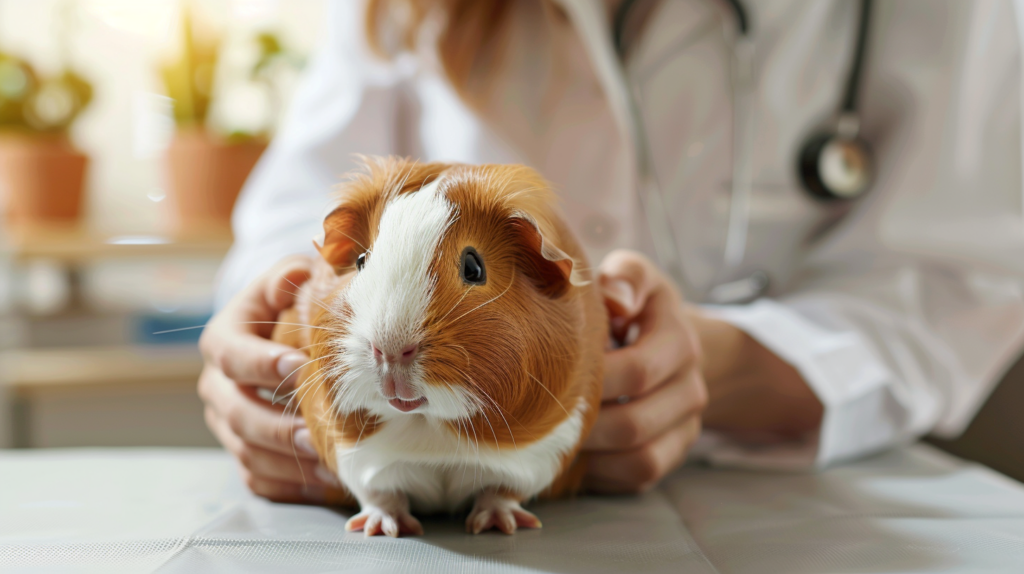
Common Guinea Pig Illnesses and Warning Signs
Guinea pigs are gentle, social pets that bring joy to many households. However, like all small animals, they are prone to certain health issues that can escalate quickly if not identified early. As an experienced small animal care specialist, I cannot stress enough the importance of understanding common guinea pig illnesses and their warning signs. Early detection plays a vital role in ensuring your pet lives a long, healthy life. This guide will help you recognize symptoms and take timely action.
Respiratory Infections in Guinea Pigs
Respiratory infections are among the most common guinea pig illnesses and can become serious very quickly. These infections are often caused by bacteria such as Bordetella or Streptococcus. Warning signs include sneezing, coughing, laboured breathing, nasal discharge, and a loss of appetite.
If your guinea pig exhibits any of these symptoms, immediate veterinary attention is essential. Respiratory issues can worsen within days, especially in colder environments or poorly ventilated cages. Keeping your guinea pig’s habitat clean, dry, and free of drafts helps reduce the risk.
Dental Problems and Overgrown Teeth
Guinea pigs have continuously growing teeth, which means dental issues are another frequent concern. If their teeth do not wear down properly, they can become overgrown or misaligned. This can lead to painful chewing, weight loss, drooling, and even difficulty swallowing.
Signs of dental disease include reduced food intake, dropping food while eating, and wet fur around the mouth. Providing a constant supply of hay is critical for maintaining healthy teeth, as it naturally helps wear them down. Regular weight checks can also help you spot problems early.
Digestive Issues and Gastrointestinal Stasis
A healthy guinea pig has a delicate digestive system that relies on a steady intake of fibre. When something disrupts this process, gastrointestinal stasis (GI stasis) can occur. This condition slows or stops digestion, and it can be life-threatening if untreated.
Warning signs include reduced or absent droppings, bloating, lethargy, and refusal to eat. Guinea pigs with GI stasis often sit hunched and appear uncomfortable. Causes may include sudden dietary changes, stress, or underlying illness. Feeding a high-fibre diet rich in hay and fresh vegetables is the best prevention.
Skin Conditions and Parasites
Skin problems in guinea pigs are often caused by mites, lice, or fungal infections such as ringworm. These conditions can lead to intense itching, hair loss, redness, and scabs. You may also notice your guinea pig scratching excessively or acting restless.
Mite infestations are particularly painful and can even cause seizures in severe cases. Regular health checks, clean bedding, and avoiding contact with infected animals are key preventive steps. If symptoms appear, a vet can prescribe appropriate treatments like medicated shampoos or topical solutions.
Urinary Problems and Bladder Stones
Urinary tract issues are another common guinea pig health concern. Bladder stones and urinary infections can cause significant discomfort and require prompt treatment. Watch for symptoms such as blood in the urine, straining to urinate, squeaking while urinating, or frequent attempts to pass urine.
Ensuring your guinea pig has access to fresh water at all times and feeding a balanced diet low in excess calcium can help reduce the risk. Early veterinary intervention is important, as untreated stones may require surgical removal.
Vitamin C Deficiency (Scurvy)
Unlike many animals, guinea pigs cannot produce their own vitamin C, making them susceptible to scurvy if their diet is inadequate. This condition can lead to weakness, joint pain, rough coat, and swollen gums.
Early signs include lethargy and reluctance to move. Providing vitamin C-rich foods such as bell peppers, kale, and specially formulated pellets is essential for prevention. In some cases, supplements may be required under veterinary guidance.
Final Thoughts on Guinea Pig Health
Recognizing the early warning signs of common guinea pig illnesses can make the difference between a quick recovery and a serious health crisis. Regular monitoring, proper nutrition, and a clean environment are the foundation of good guinea pig care.
If you notice any unusual behaviour or symptoms, do not delay seeking advice from an exotic animal veterinarian. Guinea pigs are prey animals and often hide illness until it becomes severe. Staying informed and observant is the best way to keep your furry companion happy and healthy.