
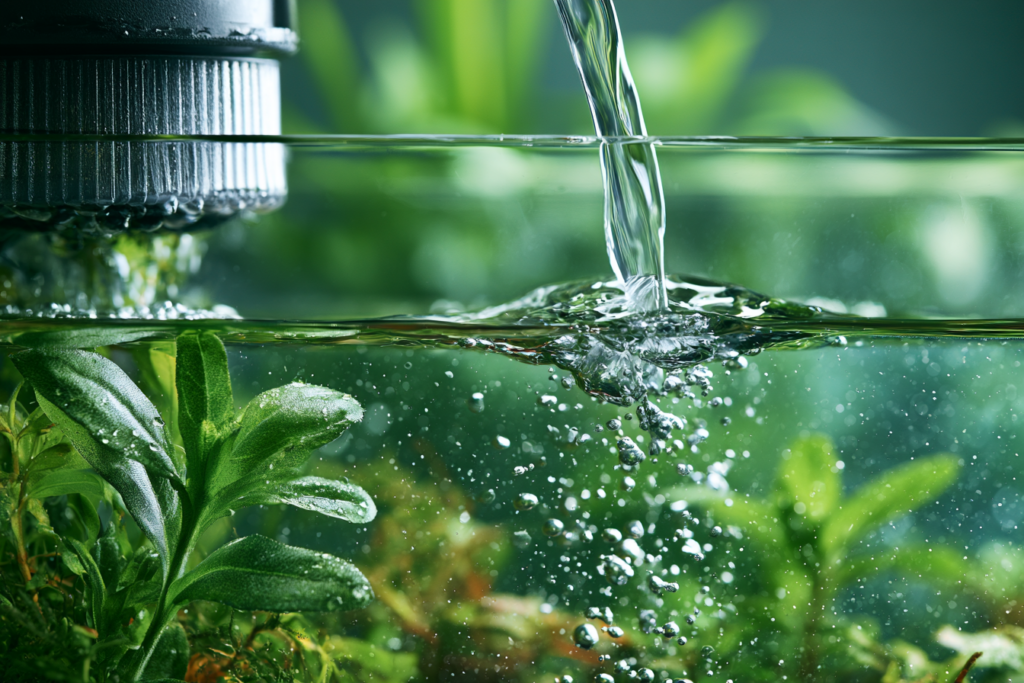
How to Cycle a Fish Tank Properly
Cycling a fish tank is one of the most important steps in setting up a healthy aquarium. Whether you are a beginner or an experienced fish keeper, understanding the nitrogen cycle and how to establish beneficial bacteria is critical for keeping your fish alive and thriving. In this guide, you’ll learn how to cycle a fish tank properly, avoid common mistakes, and create a safe aquatic environment.
What Is Aquarium Cycling?
Aquarium cycling is the process of building up beneficial bacteria that convert harmful fish waste into less toxic substances. Fish produce ammonia through their waste, leftover food, and decaying plants. Ammonia is highly toxic and can quickly kill fish if left unchecked. During the cycle, beneficial bacteria turn ammonia into nitrite and then into nitrate, which is far less harmful when kept at low levels.
This process is known as the nitrogen cycle, and it’s essential for maintaining stable water conditions in any freshwater or saltwater aquarium.
Why Cycling Your Tank Matters
If you add fish to an uncycled tank, they are exposed to dangerous ammonia and nitrite spikes. This often leads to stress, illness, or even death. Properly cycling your tank ensures a stable biological filter is in place before introducing fish.
A fully cycled tank provides:
- Safe water parameters
- Reduced fish stress
- Healthier growth and longevity
- Easier long-term maintenance
Skipping this step is one of the biggest mistakes new fish keepers make.
Types of Fish Tank Cycling
There are two main ways to cycle a fish tank: fishless cycling and fish-in cycling.
Fishless cycling is the preferred method because it avoids exposing fish to toxins. Fish-in cycling can work but requires careful monitoring and frequent water changes to protect the fish.
Step-by-Step Fishless Cycling Guide
- Set Up Your Aquarium
Install your tank, substrate, decorations, filter, and heater. Fill it with dechlorinated water and turn on all equipment. Beneficial bacteria thrive in the filter, so it must be running continuously. - Add a Source of Ammonia
To start the cycle, you need ammonia. You can use pure ammonia, fish food, or specialized products. The goal is to raise ammonia levels to around 2–4 ppm. - Test Your Water Regularly
Use a reliable test kit to monitor ammonia, nitrite, and nitrate levels. Testing every 2–3 days helps you track progress and make adjustments. - Wait for Nitrite to Appear
After a few days to a week, ammonia levels will begin to drop as bacteria develop. At this stage, nitrite levels will rise. Nitrite is also toxic, so don’t add fish yet. - Watch for Nitrate Formation
Eventually, a second group of bacteria converts nitrite into nitrate. When you see nitrate readings and both ammonia and nitrite drop to zero, your tank is nearly cycled. - Perform a Water Change
Before adding fish, do a large water change (around 50–75%) to reduce nitrate levels. - Add Fish Gradually
Introduce fish slowly to avoid overwhelming the biological filter.
How Long Does Cycling Take?
It is not quick to cycle a fish tank, it typically takes 3 to 6 weeks, depending on factors like temperature, filter efficiency, and the availability of beneficial bacteria. Using bottled bacteria products can help speed up the process, but patience is still key.
Tips to Speed Up the Cycling Process
- Use established filter media from a mature tank
- Keep water temperature around 24–27°C (75–80°F)
- Maintain good oxygen levels
- Avoid overloading ammonia levels
These steps encourage faster bacterial growth and can shorten cycling time.
Common Mistakes to Avoid
Many beginners unknowingly delay or disrupt the cycling process. Avoid these common mistakes:
- Adding fish too early
- Not testing water frequently
- Overdosing ammonia
- Turning off the filter
- Cleaning filter media with tap water
Small errors can crash your cycle and force you to start over.
Final Thoughts
Learning how to cycle a fish tank properly is the foundation of successful fish keeping. While it may take time and patience, the reward is a stable, healthy environment where your fish can thrive. By understanding the nitrogen cycle, testing your water regularly, and avoiding shortcuts, you’ll set yourself up for long-term aquarium success.
If you’re setting up a new tank, remember this golden rule: cycle first, add fish later. Your aquatic pets depend on it.