
The Ultimate Puppy Training Starter Guide
Bringing home a new puppy is an exciting milestone, but it also comes with responsibility. Training your puppy early is essential for raising a well-behaved, confident, and happy dog. This ultimate puppy training starter guide covers the key basics every new dog owner needs to know, helping you build strong foundations from day one.
Start Training From Day One
One of the most common mistakes new dog owners make is waiting too long to begin training. Puppies are constantly learning from their environment, so it’s important to start right away. Even at 8 weeks old, your puppy can begin learning simple commands and routines.
Focus on consistency and patience. Puppies thrive on structure, and regular routines help them understand expectations faster. Set clear rules early, such as where they sleep, when they eat, and where they’re allowed to go.
Master the Basics of Puppy Training
Basic commands are the building blocks of good behaviour. Start with simple cues like “sit,” “stay,” “come,” and “down.” Keep training sessions short—around 5 to 10 minutes—to match your puppy’s attention span.
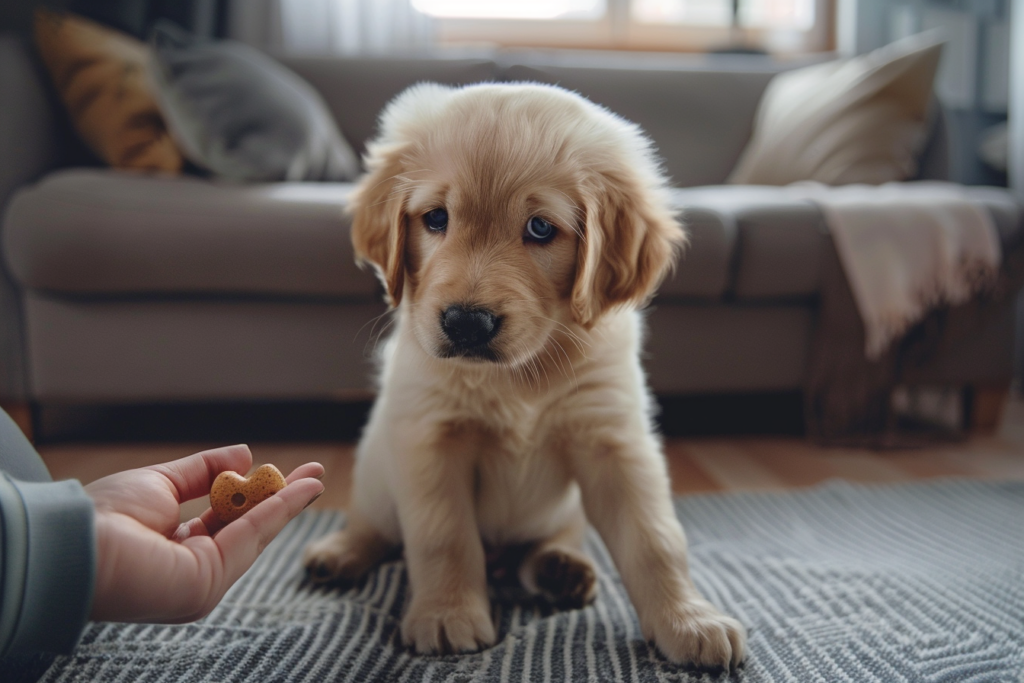
Use positive reinforcement to encourage good behaviour. Reward your puppy with treats, praise, or play whenever they follow a command correctly. This creates a positive association and makes them more eager to learn.
Avoid punishment-based training methods, as they can cause fear and confusion. Instead, redirect unwanted behaviour and reward the actions you want to see.
House Training Your Puppy
House training is often the biggest concern for new puppy owners. The key to success is consistency and timing. Take your puppy outside frequently, especially after meals, naps, and play sessions.
Choose a designated toilet area and use the same door each time. When your puppy eliminates in the correct spot, praise them immediately and offer a small reward. This reinforces the behaviour.
Accidents are normal, especially in the early weeks. If your puppy has an accident indoors, clean it thoroughly and avoid scolding them. Instead, focus on preventing future mistakes by increasing supervision and maintaining a regular routine.
Socialisation Is Essential
Proper socialisation is a critical part of puppy training. Exposing your puppy to different people, environments, sounds, and other animals helps them grow into a confident and well-adjusted adult dog.
Introduce new experiences gradually and in a positive way. Allow your puppy to explore at their own pace while offering reassurance and rewards. Early socialisation can help prevent fear-based behaviours and aggression later in life.
Aim to expose your puppy to a wide variety of situations within their first few months, as this is a key developmental period.
Teach Good Behaviour at Home
Training isn’t just about commands—it’s also about everyday behaviour. Teach your puppy how to behave calmly in the home by setting boundaries and encouraging good habits.
For example, discourage jumping up by ignoring the behaviour and rewarding calm greetings. Provide appropriate chew toys to prevent destructive chewing, and redirect their attention if they start chewing something they shouldn’t.
Crate training can also be a valuable tool. When used correctly, a crate provides a safe, comfortable space for your puppy and can support house training and relaxation.
Stay Consistent and Patient
Consistency is the cornerstone of successful puppy training. Everyone in your household should use the same commands and rules to avoid confusing your puppy.
Remember that training takes time. Puppies won’t learn everything overnight, and setbacks are normal. Stay patient, celebrate small wins, and keep your training sessions positive and enjoyable.
Final Thoughts
Training your puppy doesn’t have to be overwhelming. By starting early, focusing on positive reinforcement, and maintaining consistency, you can set your puppy up for a lifetime of good behaviour.
This ultimate puppy training starter guide gives you the foundation you need, but the most important ingredient is your commitment. With time, patience, and encouragement, your puppy will grow into a loyal and well-mannered companion.