
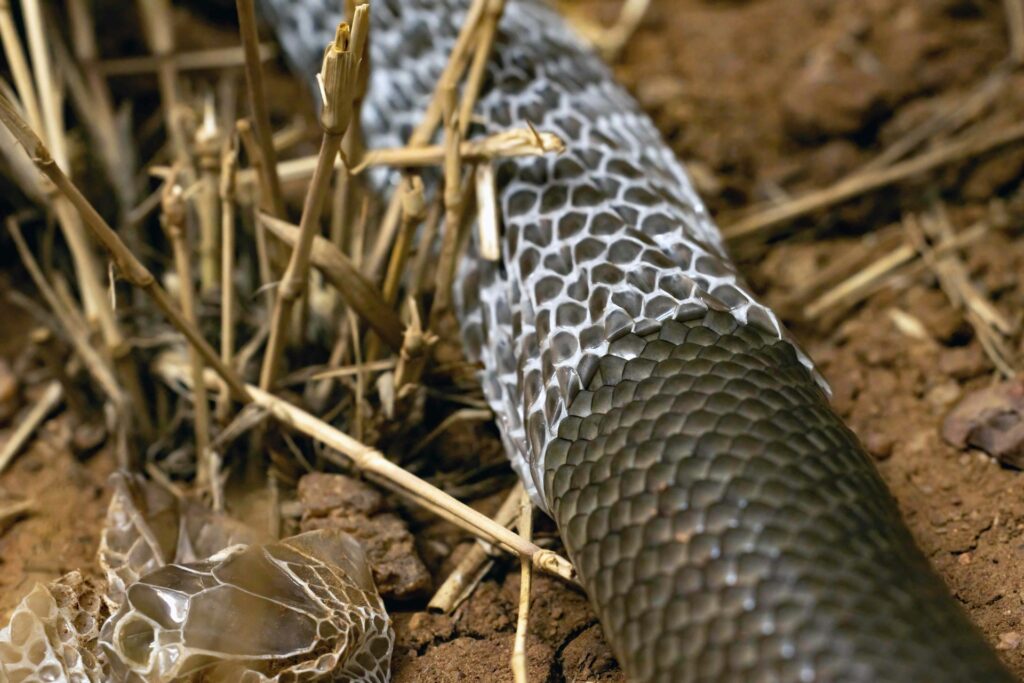
Snake Shedding Explained: What’s Normal?
Snake shedding, also known as “ecdysis,” is a natural and essential process in a snake’s life. If you keep a pet snake, understanding what normal shedding looks like is key to ensuring your reptile stays healthy. Whether you’re a beginner or an experienced keeper, knowing how and why snakes shed will help you spot potential problems early and provide the best care possible.
Why Do Snakes Shed Their Skin?
Unlike mammals, snakes don’t grow continuously within their skin. Instead, they periodically shed their outer layer to accommodate growth and maintain healthy scales. Shedding also helps remove parasites, repair minor skin damage, and keep the snake’s body functioning properly.
Young snakes tend to shed more frequently—sometimes every few weeks—because they grow quickly. Adult snakes usually shed less often, typically every 4 to 12 weeks depending on species, diet, and overall health.
The Stages of Normal Snake Shedding
Understanding the snake shedding process helps you recognize what’s normal. The shedding cycle generally follows a predictable pattern.
First, your snake’s skin may appear dull and faded. This is often referred to as the “pre-shed” phase. Shortly after, the snake’s eyes will turn a cloudy blue or grey—a stage called being “in blue.” This happens because fluid builds up between the old and new layers of skin.
During this time, your snake may become more reclusive, defensive, or less interested in food. This is completely normal behavior, as their vision is temporarily reduced.
After a few days, the eyes will clear again, which can mislead some owners into thinking the shed is over. In reality, the snake is preparing for the final stage. Within a few days, the snake will begin to shed its skin, usually starting at the head and working its way down the body. In a healthy shed, the skin should come off in one complete piece, often inside-out.
What Does a Healthy Shed Look Like?
A complete shed is one of the easiest signs that your snake is in good condition. The skin should resemble a full-length “tube” with intact eye caps and tail tip. You may even see scale patterns clearly preserved in the shed skin.
Healthy sheds are typically quick and efficient, often happening overnight or within a few hours. Your snake should look vibrant and refreshed afterward, with brighter colors and smooth, glossy scales.
Common Snake Shedding Problems
While shedding is usually straightforward, there are times when issues can arise. One of the most common problems is incomplete shedding, also known as “retained shed.”
This can happen when humidity levels in the enclosure are too low. Pieces of old skin may remain stuck to the body, especially around the eyes, tail, or underbelly. Retained eye caps are particularly important to address, as they can affect your snake’s vision and lead to health complications.
Another issue is repeated poor sheds, which may indicate chronic husbandry problems such as incorrect humidity, dehydration, or inadequate nutrition.
How to Help Your Snake Shed Properly
Providing the right environment is crucial for healthy snake shedding. Maintaining proper humidity levels is one of the most important factors. Different species have different requirements, but most pet snakes need moderate to high humidity during shedding periods.
Adding a humidity hide—a small enclosed space filled with damp moss or substrate—can give your snake a place to regulate moisture levels. Regular access to fresh water is also essential, as hydration plays a key role in the shedding process.
You should also include rough surfaces in the enclosure, such as rocks or textured décor, which help the snake naturally remove its old skin.
When Should You Be Concerned?
Occasional minor shedding issues can happen, especially in young or newly acquired snakes adjusting to a new environment. However, frequent incomplete sheds, retained eye caps, or signs of irritation should be taken seriously.
If you notice persistent problems, it’s a good idea to review your husbandry setup or consult a reptile veterinarian. Never attempt to peel off stuck skin forcefully, as this can injure your snake.
Final Thoughts
Snake shedding is a normal and healthy process that reflects your pet’s overall condition. By understanding what’s typical and ensuring proper care, you can help your snake shed smoothly and stay in excellent health. Paying attention to the details of each shed will not only make you a better keeper but also ensure your snake thrives in its environment.