
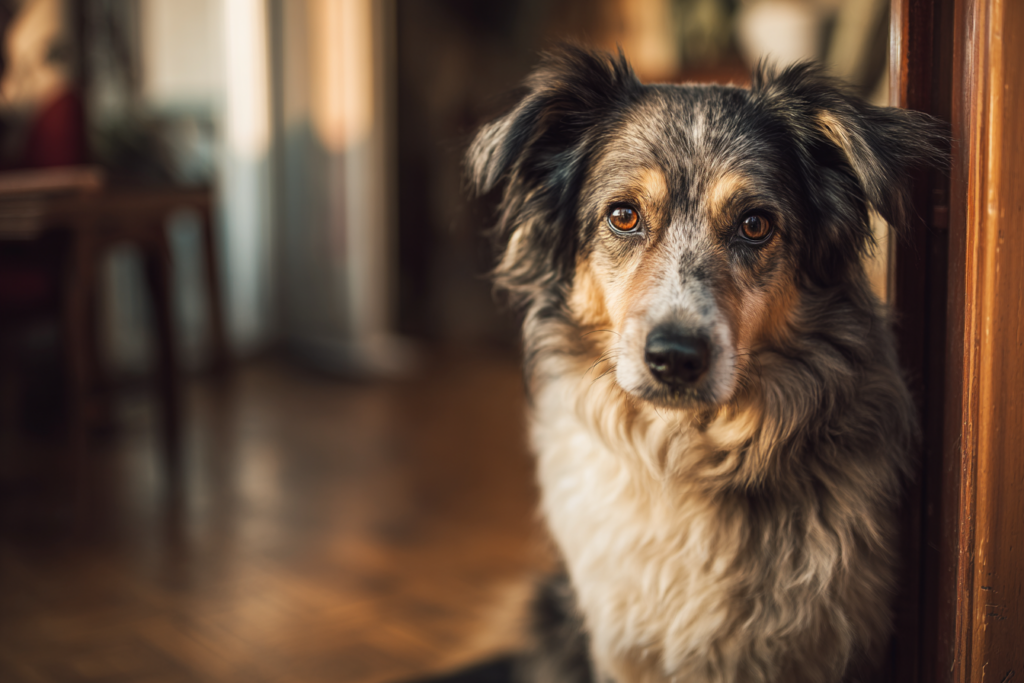
Separation Anxiety in Dogs: Signs and Solutions
Separation anxiety in dogs is a common behavioural issue that can be distressing for both pets and their owners. Dogs are social animals that form strong bonds with their humans, so being left alone can sometimes trigger anxiety. Understanding the signs of separation anxiety and knowing how to manage it can help improve your dog’s wellbeing and restore peace at home.
What Is Separation Anxiety in Dogs?
Separation anxiety occurs when a dog becomes excessively stressed when left alone or separated from their owner. While occasional whining or restlessness is normal, dogs with separation anxiety display more intense and persistent behaviours. This condition can develop due to changes in routine, moving home, loss of a companion, or lack of gradual independence training.
Common Signs of Separation Anxiety
Recognising the symptoms early is key to helping your dog. One of the most obvious signs is destructive behaviour, such as chewing furniture, scratching doors, or tearing up household items. This is not due to disobedience but rather a coping mechanism for stress.
Excessive barking, howling, or whining when left alone is another common indicator. You may also notice pacing, restlessness, or attempts to escape confined areas. Some dogs even have accidents indoors despite being house-trained, which is a strong sign of anxiety rather than a training issue.
Physical signs can include drooling, panting, or trembling before you leave or shortly after your departure. Many dogs with separation anxiety also become overly excited when you return home, highlighting their difficulty coping with absence.
Causes of Separation Anxiety
There are several reasons why dogs develop separation anxiety. Changes in environment or routine, such as a new home or a change in working hours, can trigger stress. Rescue dogs may be more prone to anxiety due to past experiences or inconsistent care.
Dogs that have become overly dependent on their owners are also at higher risk. Lack of mental stimulation or exercise can worsen symptoms, as bored dogs are more likely to focus on stress triggers.
Effective Solutions for Separation Anxiety
Addressing separation anxiety requires patience, consistency, and a gradual approach. One of the most effective methods is desensitisation. This involves slowly getting your dog used to being alone by leaving for short periods and gradually increasing the duration over time.
Creating a positive association with your departure can also help. Offer a favourite toy, puzzle feeder, or treat only when you leave, so your dog begins to associate your absence with something enjoyable.
Establishing a Routine
Dogs thrive on routine, and predictable schedules can reduce anxiety. Try to leave and return home at similar times each day. Avoid making departures and arrivals overly emotional, as this can reinforce anxious behaviour.
Instead, keep greetings calm and low-key. This teaches your dog that coming and going is a normal part of daily life.
Providing Mental and Physical Stimulation
A well-exercised dog is less likely to experience severe anxiety. Ensure your dog gets enough physical activity through walks, playtime, and training sessions. Mental stimulation is equally important, so consider using puzzle toys, interactive feeders, or scent games to keep their mind engaged.
Leaving background noise, such as a television or radio, can also provide comfort and reduce feelings of isolation.
Safe and Comfortable Environment
Creating a secure, comfortable space can help your dog feel more relaxed when alone. This might include a cosy bed, familiar toys, and an item that smells like you. Some dogs benefit from crate training, as it can provide a den-like environment when introduced properly.
However, never confine a highly anxious dog without gradual training, as this may increase stress.
When to Seek Professional Help
In severe cases, separation anxiety may require support from a professional dog trainer or veterinarian. Behaviour specialists can develop tailored training plans, and in some cases, medication may be recommended to reduce anxiety while training is ongoing.
Final Thoughts
Separation anxiety in dogs is a manageable condition with the right approach. By recognising the signs early and using positive, consistent training methods, you can help your dog feel safe and confident when alone. With patience and understanding, both you and your dog can enjoy a calmer, happier daily routine.