
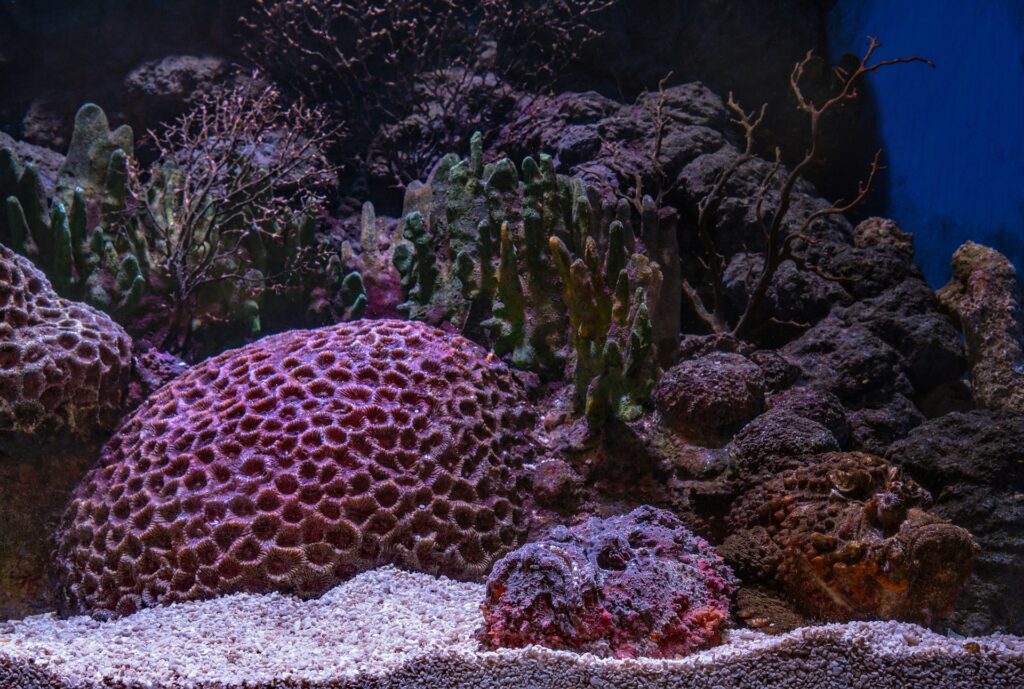
Saltwater Aquarium Basics for Beginners
Starting a saltwater aquarium is an exciting step into the world of marine fishkeeping. While saltwater tanks have a reputation for being more complex than freshwater setups, beginners can be very successful with the right knowledge and preparation. This guide covers the essential saltwater aquarium basics every beginner should understand before getting started.
Understanding Saltwater Aquariums
A saltwater aquarium mimics the natural marine environment using purified water mixed with marine salt. These aquariums can house colorful marine fish, invertebrates, and, eventually, corals. Stability is the key to success, as saltwater fish are sensitive to sudden changes in water chemistry, temperature, and salinity.
Choosing the Right Tank Size
One of the most important beginner tips is to start with a larger tank if possible. While small saltwater tanks may seem easier, they are actually harder to keep stable. A tank between 40 and 75 gallons is ideal for beginners, as larger volumes of water are more forgiving when mistakes happen.
Glass or acrylic tanks both work well, but ensure the aquarium is specifically designed for saltwater use and placed on a sturdy stand away from direct sunlight and temperature fluctuations.
Essential Saltwater Aquarium Equipment
A successful saltwater aquarium requires specialized equipment. A quality filtration system is essential, often combining mechanical, biological, and chemical filtration. Protein skimmers are especially helpful in marine tanks, as they remove waste before it breaks down.
You will also need a reliable heater to maintain a consistent temperature between 24–26°C (75–79°F), strong water circulation using powerheads, and proper lighting. Beginners focusing only on fish do not need advanced reef lighting, but good visibility and a natural day/night cycle are still important.
Mixing Saltwater Correctly
Never use tap water directly in a saltwater aquarium. Instead, use reverse osmosis/deionized (RO/DI) water mixed with a high-quality marine salt mix. Always mix saltwater in a separate container, allowing it to fully dissolve and reach the right temperature and salinity before adding it to the tank.
A refractometer or hydrometer is used to measure salinity, which should typically be around 1.025 specific gravity for most marine aquariums.
The Importance of the Nitrogen Cycle
Before adding fish, your saltwater aquarium must be fully cycled. The nitrogen cycle establishes beneficial bacteria that break down toxic ammonia into nitrites and then into less harmful nitrates. This process can take four to six weeks.
Live rock is commonly used in saltwater aquariums and helps speed up cycling while providing natural hiding places for fish. Never rush this stage, as adding fish too early can lead to serious losses.
Selecting Beginner-Friendly Marine Fish
Some saltwater fish are more suitable for beginners than others. Hardy species such as clownfish, damselfish, gobies, and blennies adapt well to new systems. Avoid delicate or aggressive species until you have more experience.
Add fish slowly, allowing the tank to adjust after each new addition. Overcrowding is a common beginner mistake and can quickly destabilize water quality.
Regular Maintenance and Water Testing
Routine maintenance keeps a saltwater aquarium healthy. Perform water changes of 10–15 percent every one to two weeks to remove excess nutrients. Test water parameters regularly, including ammonia, nitrite, nitrate, pH, and salinity.
Consistency matters more than perfection. Stable conditions help marine fish thrive and reduce stress and disease.
Final Thoughts
Saltwater aquarium basics revolve around patience, planning, and consistency. By choosing the right equipment, maintaining water quality, and stocking responsibly, beginners can successfully enjoy the beauty of marine fishkeeping. With proper care, a saltwater aquarium can become a stunning, rewarding centerpiece in your home.