
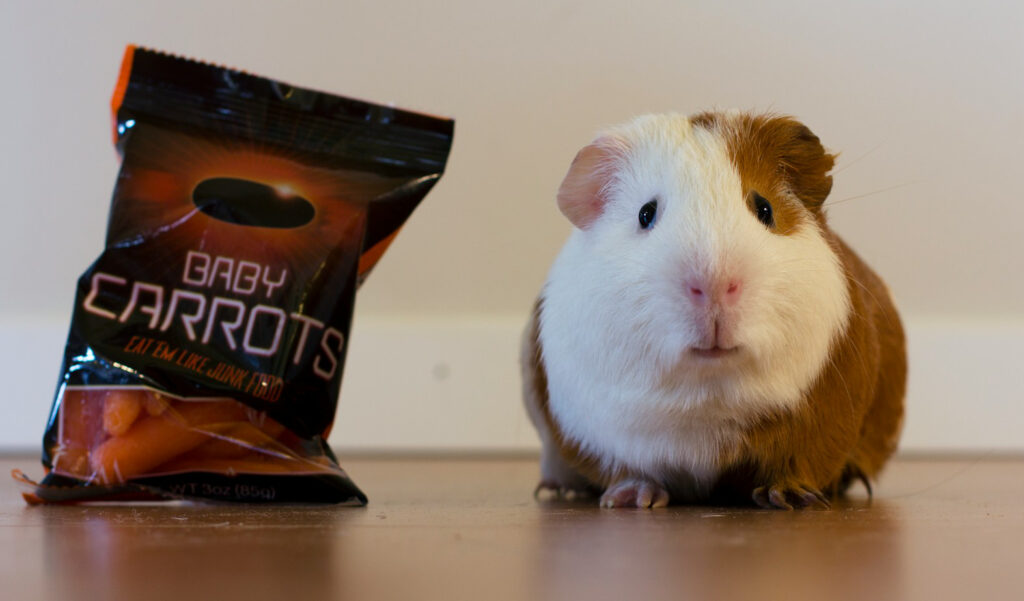
What Do Guinea Pigs Eat? The Complete Feeding Guide
Guinea pigs may be small, but their dietary needs are very specific. Feeding the right foods is essential for their digestive health, dental care, and overall wellbeing. If you’re wondering what do guinea pigs eat and how to build a balanced daily menu, this complete feeding guide will help you keep your guinea pigs healthy and happy.
The Importance of a Proper Guinea Pig Diet
Guinea pigs are herbivores with sensitive digestive systems. They need a constant supply of fiber to keep their gut functioning properly and their teeth worn down. Unlike many other small pets, guinea pigs cannot produce their own vitamin C, so their diet must include foods rich in this essential nutrient to prevent illness.
Hay: The Foundation of a Guinea Pig’s Diet
Hay should make up around 80 percent of a guinea pig’s daily food intake. Timothy hay is the best choice for adult guinea pigs because it is high in fiber and low in calcium. Younger guinea pigs under six months old can have alfalfa hay, which offers extra protein and calcium for growth.
Hay should be available at all times. It supports healthy digestion, prevents dental problems, and encourages natural grazing behavior. Dust-free, fresh-smelling hay is ideal, and it should be replaced daily.
Fresh Vegetables: Daily Nutrition and Variety
Fresh vegetables are a vital part of a guinea pig’s diet and should be fed every day. Aim for about one cup of vegetables per guinea pig, divided into one or two servings.
Vitamin C–rich vegetables are especially important. Bell peppers are one of the best options and can be fed daily. Other excellent choices include romaine lettuce, coriander, cucumber, zucchini, and small portions of carrot. Avoid iceberg lettuce, as it has little nutritional value and may cause digestive upset.
Introduce new vegetables slowly to prevent stomach issues, and always wash produce thoroughly before feeding.
Pellets: A Helpful Supplement
High-quality guinea pig pellets can be offered in small amounts to ensure balanced nutrition. Choose pellets specifically formulated for guinea pigs and fortified with vitamin C. Avoid mixes that contain seeds, dried fruit, or colored pieces, as these encourage selective eating and can be unhealthy.
Adult guinea pigs generally need about one to two tablespoons of pellets per day. Store pellets in a cool, dry place and replace them regularly, as vitamin C breaks down over time.
Fresh Fruit: An Occasional Treat
Fruit should only be given as an occasional treat due to its high sugar content. Small portions once or twice a week are sufficient. Safe fruits for guinea pigs include apple (without seeds), strawberry, blueberry, orange, and kiwi.
Too much fruit can lead to obesity and digestive problems, so moderation is key. Always introduce fruit gradually and remove leftovers promptly.
Water: Clean and Always Available
Fresh, clean water is essential for guinea pigs. Use a water bottle or a heavy bowl that won’t tip easily. Change the water daily and clean the container regularly to prevent bacteria buildup.
Check water bottles often to ensure they are working properly, as guinea pigs are unable to last long without access to water.
Foods to Avoid Feeding Guinea Pigs
Some foods are unsafe for guinea pigs and should never be fed. These include onions, garlic, avocado, chocolate, dairy products, bread, cereals, and processed human foods. Also avoid feeding lawn grass treated with chemicals or pesticides.
Final Thoughts
Understanding what guinea pigs eat is key to providing them with a long, healthy life. A diet rich in hay, fresh vegetables, limited pellets, and occasional treats supports proper digestion, dental health, and immunity. By offering variety and maintaining consistent feeding habits, you can ensure your guinea pig thrives every day.