
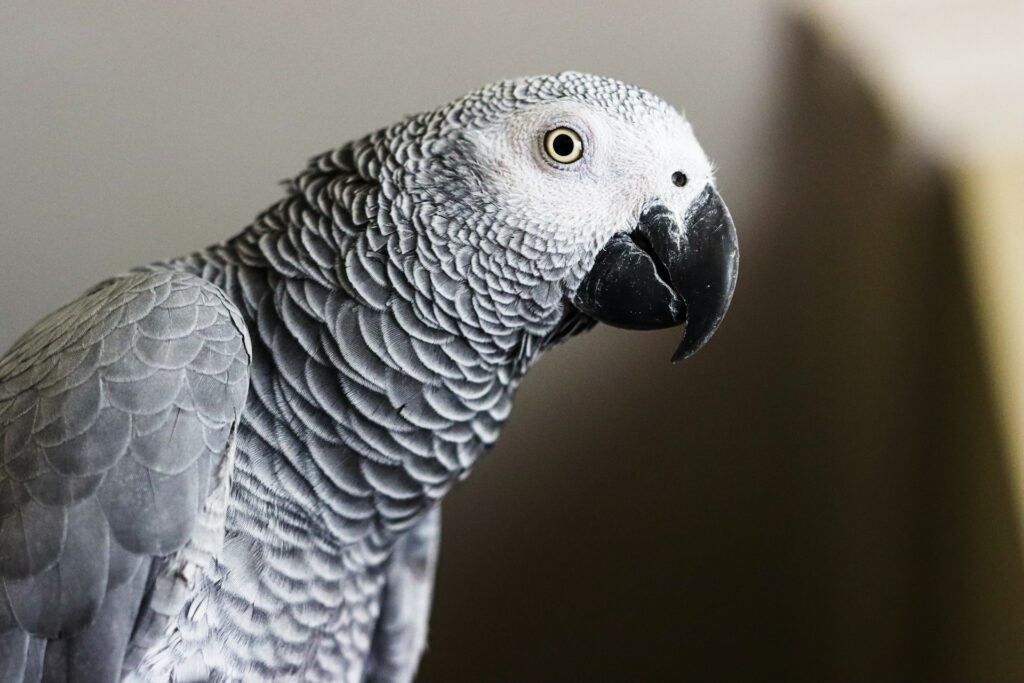
Best Diet for Pet Parrots: Foods to Feed and Avoid
Finding the right diet for pet parrots is one of the most important responsibilities of bird ownership. A balanced, nutritious diet supports healthy feathers, strong bones, a good immune system, and a long, active life. Many health problems seen in pet parrots are linked directly to poor nutrition, particularly seed‑heavy diets. Understanding what foods to feed and which to avoid will help your parrot thrive rather than just survive.
The foundation of a healthy parrot diet
Most avian vets agree that high‑quality formulated pellets should form the foundation of a pet parrot’s diet. Pellets are designed to provide balanced nutrition in every bite, ensuring your bird receives essential vitamins, minerals, protein and controlled fat levels. A pellet‑based diet helps prevent selective eating, where parrots pick out only fatty seeds and ignore healthier options.
Ideally, pellets should make up roughly 60–70% of your parrot’s daily food intake. Choose pellets with no artificial colours, flavours or added sugars, and always select the correct pellet size for your parrot’s species and beak strength.
Fresh vegetables: the most important supplement
Fresh vegetables should be offered daily and make up a large portion of the remaining diet. Vegetables provide vital vitamins, especially vitamin A, which is essential for feather quality, eye health and immune function. Dark leafy greens and richly coloured vegetables are particularly beneficial.
Excellent vegetable choices include kale, Swiss chard, broccoli, carrots, sweet potato, pumpkin, peppers, courgette and Brussels sprouts. Vegetables can be offered raw, lightly steamed, or chopped into manageable pieces. Variety is key, as different vegetables supply different nutrients.
Fruit: healthy but in moderation
Fruit is enjoyable for parrots but should be treated as a healthy treat rather than a staple food. Many fruits are high in natural sugars, which can lead to weight gain and health issues if fed excessively. Aim for fruit to make up no more than 5–10% of the overall diet.
Safe fruits include apples (with seeds removed), berries, mango, papaya, banana, grapes and melon. Always wash fruit thoroughly and remove stones, pits and seeds, which can be toxic.
Seeds, nuts and grains
Seeds and nuts are calorie‑dense and high in fat, making them excellent training treats but poor main meals. While many parrots love sunflower seeds and peanuts, a diet based on these foods alone can quickly lead to obesity and fatty liver disease.
Healthy options include small amounts of millet, pumpkin seeds, almonds and walnuts. Whole grains such as cooked brown rice, quinoa and oats can also be offered in moderation as part of a varied feeding routine.
Foods pet parrots must avoid
Some common household foods are extremely dangerous to parrots and should never be offered. Avocado is toxic and can cause respiratory failure. Chocolate, caffeine and alcohol are also highly poisonous to birds. Onions, garlic, leeks and chives can damage red blood cells and should be avoided entirely.
Fruit pits and seeds such as those found in apples, cherries, peaches and plums contain cyanide compounds and must always be removed. Highly salty, sugary or processed foods are equally unsuitable for parrots and can lead to long‑term health problems.
Final thoughts
A healthy parrot diet is built around high‑quality pellets, plenty of fresh vegetables, small amounts of fruit and controlled treats. By avoiding toxic foods and limiting fatty seeds, you can dramatically improve your parrot’s quality of life, behaviour and lifespan. Feeding well is one of the simplest and most powerful ways to care for your parrot properly.