
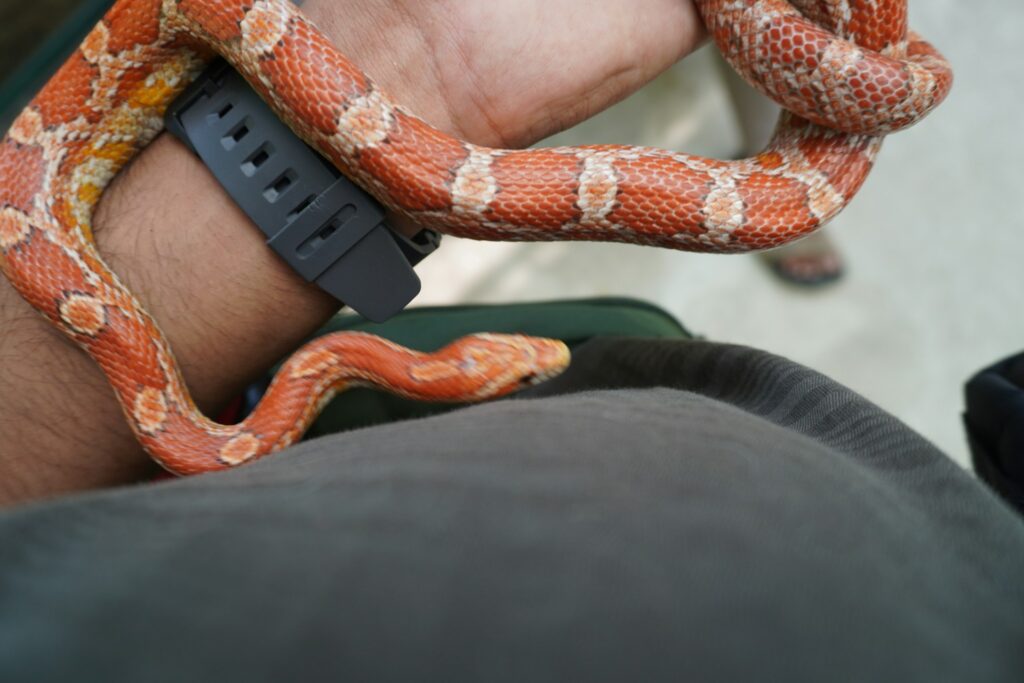
How Often Should You Feed Your Pet Snake?
Feeding your pet snake correctly is one of the most important aspects of responsible snake ownership. One of the most common questions new and experienced keepers ask is: how often should you feed your pet snake? The answer depends on several factors, including the snake’s species, age, size, and overall health. In this reptile-friendly guide, we’ll break everything down so you can confidently create a feeding schedule that keeps your snake healthy and stress-free.
Why Feeding Frequency Matters
Snakes have slow metabolisms compared to mammals, and overfeeding is a far more common problem than underfeeding. Feeding too often can lead to obesity, regurgitation, and long-term health issues, while feeding too little can result in weight loss and weakened immunity. Striking the right balance is essential for your snake’s wellbeing.
Feeding Schedule by Age
Baby and Juvenile Snakes
Young snakes are growing rapidly and require more frequent meals to support healthy development. Most baby and juvenile snakes should be fed once every 5 to 7 days. At this stage, meals should be appropriately sized—generally no wider than the widest part of the snake’s body.
Adult Snakes
As snakes reach adulthood, their growth slows significantly, and so should their feeding frequency. Most adult snakes do well when fed once every 10 to 14 days. Larger species or particularly slow-metabolism snakes may even thrive on a meal every two to three weeks.
Feeding Frequency by Species
Different species have different dietary needs. Here are general guidelines for some popular pet snakes:
- Corn snakes & kingsnakes: Every 7 days as juveniles, every 10–14 days as adults
- Ball pythons: Every 5–7 days when young, every 10–14 days as adults
- Boa constrictors: Every 7–10 days when young, every 14–21 days as adults
- Milk snakes: Similar to corn snakes, with slightly smaller prey sizes
Always research your specific species, as individual needs can vary.
Does Prey Size Affect Feeding Frequency?
Yes, prey size plays a major role. A properly sized meal should create a small but noticeable bulge in your snake’s body that disappears within 24–48 hours. Feeding prey that is too large may require longer gaps between meals. If you increase prey size, you’ll usually need to feed less often to allow proper digestion.
Signs You’re Feeding Your Pet Snake Too Often
Overfeeding is easy to do, especially if your snake eagerly accepts food. Watch out for:
- Excessive fat buildup or a rounded body shape
- Regurgitation after meals
- Lethargy or lack of interest in movement
If you notice these signs, extend the time between feedings and review prey size.
Seasonal Changes and Feeding
Many snakes naturally eat less during cooler months. It’s normal for some snakes—especially ball pythons—to reduce feeding or stop eating temporarily in winter. As long as your snake maintains a healthy weight, this behaviour is usually nothing to worry about.
Helpful Feeding Tips for Pet Snake Owners
- Feed frozen-thawed prey whenever possible for safety
- Avoid handling your snake for 24–48 hours after feeding
- Keep feeding on a regular schedule
- Monitor weight and body condition rather than relying on appetite alone
Final Thoughts
So, how often should you feed your pet snake? In most cases, juveniles eat weekly, while adults eat every one to two weeks. By considering your snake’s age, species, and body condition, you can fine-tune a feeding routine that supports a long and healthy life.
If you’re ever unsure, consulting an experienced reptile keeper or exotic vet is always a smart move—your snake depends on you to get it right.